RealSense Just Proved Independence Is a Layover, Not a Destination
Cognex's US$500 million purchase of RealSense, just fourteen months after its Intel spinout, and the facial-authentication unit being spun out separately in the same deal, reveal what actually decides robot-perception M&A: who already owns the industrial sales channel, not who owns the sensor IP.

RealSense, Cognex, and the Hidden Value of Industrial Distribution
Fourteen months ago, RealSense emerged from Intel with a US$50 million Series A and plans to build an independent company.
On September 22, Cognex agreed to acquire it for US$500 million in cash.
By RealSense's own numbers, this does not look like a struggling company looking for an exit. The company expects 2026 revenue of approximately US$80–90 million, representing growth of more than 50 percent from the previous year.
That makes the acquisition interesting.
But perhaps the more revealing detail is what Cognex isn't buying.
Before the transaction closes, RealSense plans to separate its facial-authentication business into another independent company. Its core 3D-perception operation will join Cognex, while facial authentication will continue on its own.
One company is effectively being bundled into a much larger industrial machine-vision organization while another business is being unbundled from it.
That split points toward a bigger question for robotics hardware companies:
How valuable is independence when your product still depends on someone else's industrial distribution, integration and support network?
What Cognex Is Actually Buying
Cognex describes robotic perception as a roughly US$600 million market today that could grow by more than 25 percent annually to approximately US$1.6 billion by 2030.
Those numbers should be understood for what they are: Cognex's estimates supporting the strategic rationale for its acquisition.
But the assets Cognex is buying are more concrete.
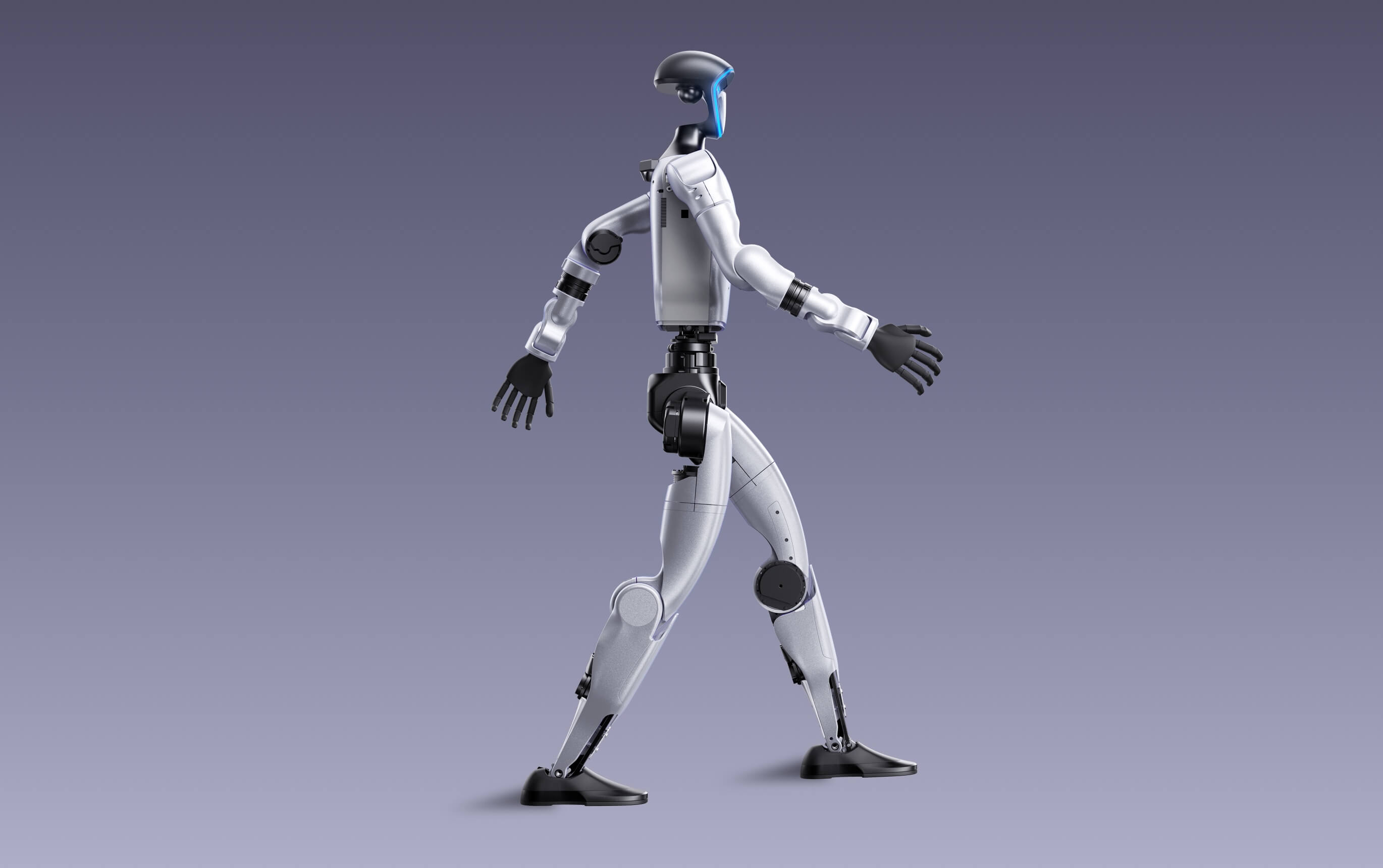
At the time of its spinout, RealSense said its cameras were being used in approximately six out of every ten autonomous mobile robots and humanoid platforms, with more than 3,000 customers and a portfolio exceeding 80 patents.
That gives Cognex an established position in 3D perception at a time when robots increasingly need to understand not just what is in front of them, but where objects exist in three-dimensional space.
And Cognex brings something equally important to RealSense.
Distribution.
Cognex is not a startup acquiring technology because it lacks a path into industrial customers. It is a machine-vision company with more than four decades of experience selling into factories, integrators and industrial automation projects.
CEO Matt Moschner described the acquisition as "a compelling strategic expansion for Cognex into robotic perception."
CFO Dennis Fehr said the transaction was expected to be "strongly accretive to growth profile."
The technology matters.
But so does Cognex's ability to put that technology in front of industrial buyers around the world.
The Independence Experiment Lasted Fourteen Months
Go back to July 2025 and RealSense was telling a different story.
After completing its spinout from Intel with backing from Intel Capital and the MediaTek Innovation Fund, CEO Nadav Orbach described the company's mission this way:
"Our mission is to enable the world to integrate robotics and AI in everyday life safely."
RealSense then moved quickly to strengthen its ecosystem relationships.
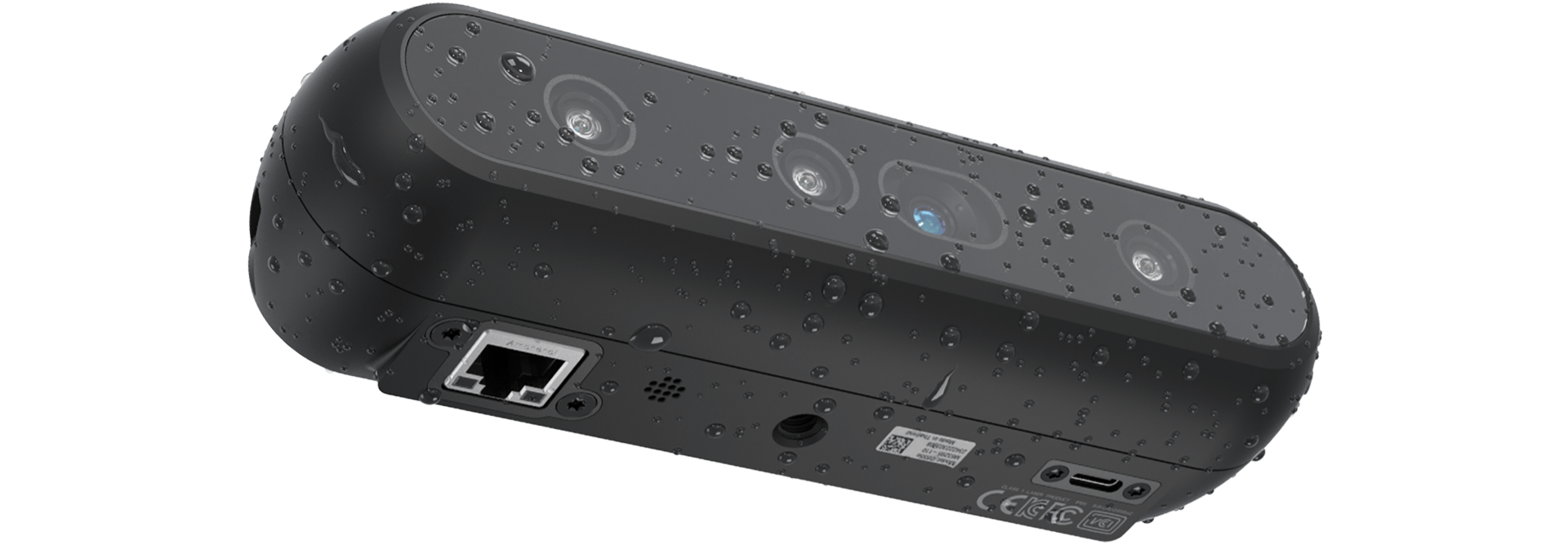
A month later, it announced a strategic collaboration with NVIDIA, connecting its D555 camera with technologies including Jetson Thor, Isaac Sim and the Holoscan Sensor Bridge.
That partnership illustrated an important reality about modern robotics hardware.
Independence does not necessarily mean building everything yourself.
A camera company can make excellent perception hardware while relying on another company's compute platform, simulation environment or AI ecosystem. Likewise, it can remain technically independent while depending on distributors, system integrators and industrial partners to get that hardware deployed.
The Cognex acquisition addresses another part of that equation.
When announcing the transaction, Orbach said joining Cognex "puts that mission on an entirely new scale, giving us access to a global industrial customer base."
Compare the emphasis between the two statements.
The 2025 message was primarily about mission.
The 2026 message emphasizes scale and customer access.
That shift helps explain why joining Cognex can make strategic sense even for a company reporting rapid revenue growth.
Why Facial Authentication Is Being Separated
The facial-authentication business makes the transaction even more interesting.
Before Cognex completes the RealSense acquisition, that product line is expected to become a separate independent company rather than becoming part of Cognex.
There is a logical strategic distinction.
Cognex's existing strengths are closely aligned with industrial machine vision, factory automation and robotic perception.
Facial authentication serves a different market, with different buyers, integration requirements and sales channels.
Keeping it outside Cognex therefore does not necessarily indicate that one business is stronger or more capable of independence than the other.
Instead, it highlights how different the commercial requirements can be for two products that previously lived inside the same company.
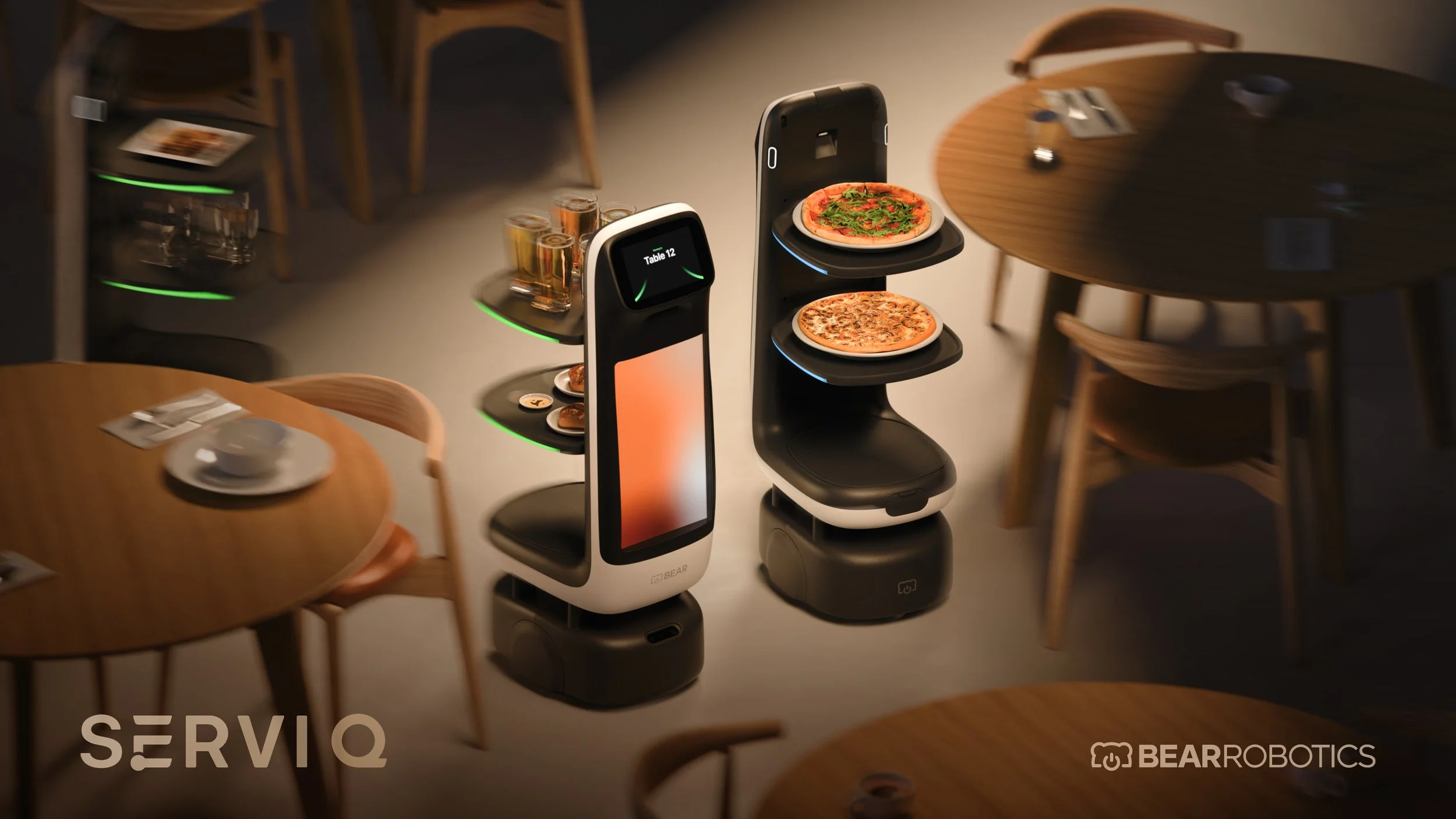
A robotic perception camera may need to fit into a larger industrial deployment involving robot manufacturers, integrators, automation engineers, factory IT teams and long-term hardware support.
A facial-authentication product may travel through a very different ecosystem centered on security, access control and identity systems.
That distinction matters when evaluating other AI hardware spinouts.
The important question is not simply:
"Is the technology good enough to survive independently?"
It may also be:
"Does the company have the distribution and support network required by the customers who actually deploy it?"
The Part of Hardware Nobody Puts on the Spec Sheet
Robotics coverage naturally gravitates toward specifications.
Resolution.
Frame rate.
Depth accuracy.
Latency.
Power consumption.
AI performance.
Those numbers matter. But industrial purchasing decisions extend far beyond the component itself.
For a manufacturer deploying robots on a production line, other questions quickly become important:
Who supports the camera when something fails during production?
How quickly can a replacement unit reach the factory?
Does the local system integrator already know the product?
Will the same model still be available several years from now?
Who helps diagnose an intermittent problem involving the camera, robot controller, network and application software?
These questions rarely make product-launch headlines.
But they can determine whether promising technology gets deployed at scale.
This is where an established industrial company such as Cognex can provide something a newly independent hardware company would otherwise have to spend years building: customer relationships, regional support, integrator relationships and an industrial sales organization.
RealSense had technology, customers and growing revenue.
Cognex brings an established route into industrial deployments.
That combination may explain more about this acquisition than the sensor specifications alone.
Cognex Is Also Buying People
There is another revealing number in the transaction.
Alongside the US$500 million purchase price, Cognex disclosed a three-year, performance-modified cash retention program worth up to US$56.5 million, plus approximately US$50 million in restricted stock intended to retain RealSense employees.
That is a substantial commitment.
And it highlights another characteristic of robotics acquisitions: much of the value can reside in the engineering organization itself.
Depth perception is not simply a matter of owning patents or manufacturing cameras.
It involves years of accumulated expertise in calibration, stereo vision, firmware, computer vision, hardware design, SDK development and integration.
Losing key engineers after an acquisition could therefore undermine part of the value Cognex is paying to acquire.
The retention package suggests Cognex recognizes that risk and wants the team behind RealSense to remain alongside the technology.
The Pattern Worth Watching
The RealSense transaction offers a useful framework for evaluating future AI and robotics hardware spinouts.
When a large technology company separates a robotics or AI hardware division, the first question tends to be whether the new company has strong enough technology to survive independently.
That may not be the most revealing question.
Instead, consider two others.
Does the product require installation and long-term support inside industrial environments?
And if it does:
Who already owns the customer relationships needed to deploy it at scale?
For some companies, independence may work extremely well.
For others, the technology may succeed while the most effective commercial structure eventually places it inside a larger industrial organization.
RealSense is particularly interesting because both possibilities now exist inside the same transaction.
Its robotic-perception business is moving into Cognex.
Its facial-authentication business is moving back out on its own.
The technology did not suddenly become less valuable.
The markets around the technology are simply different.
And that may be the most useful lesson from the deal.
In industrial robotics, owning the technology is only part of the advantage.
Sometimes the harder thing to build is the organization that gets it through the factory door—and keeps it running once it is inside.
This article reflects the author's analysis based on public company disclosures current as of September 24, 2026. It is intended for general informational purposes and does not constitute investment, financial or legal advice.
Hero image: RealSense D555 PoE depth camera. Credit: RealSense.