
FlexQube Hanging AGV vs Unit Load Carrier AMR
FlexQube vs Hachidori Robotics — specs, price, and data-backed comparison.
QUICK TAKE
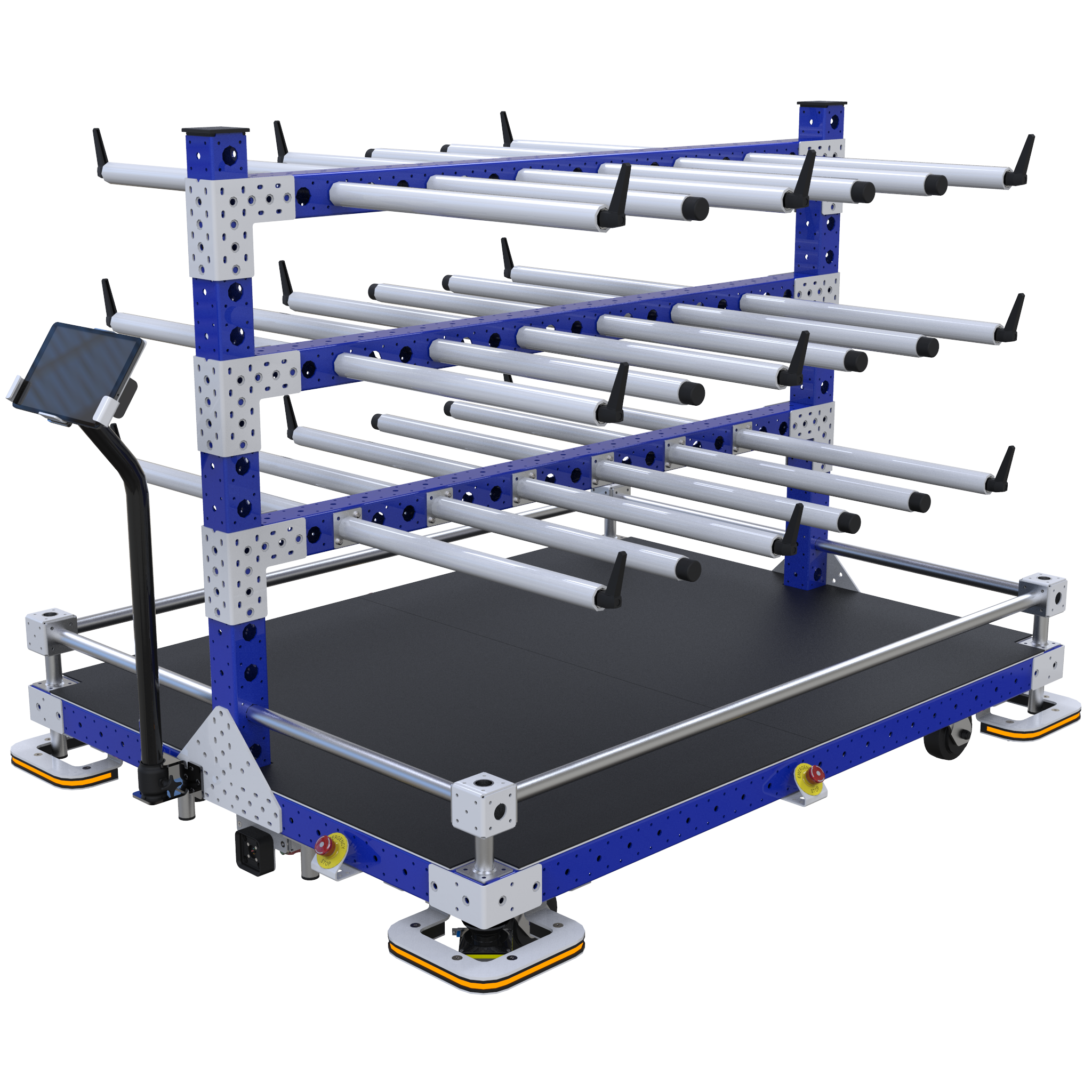
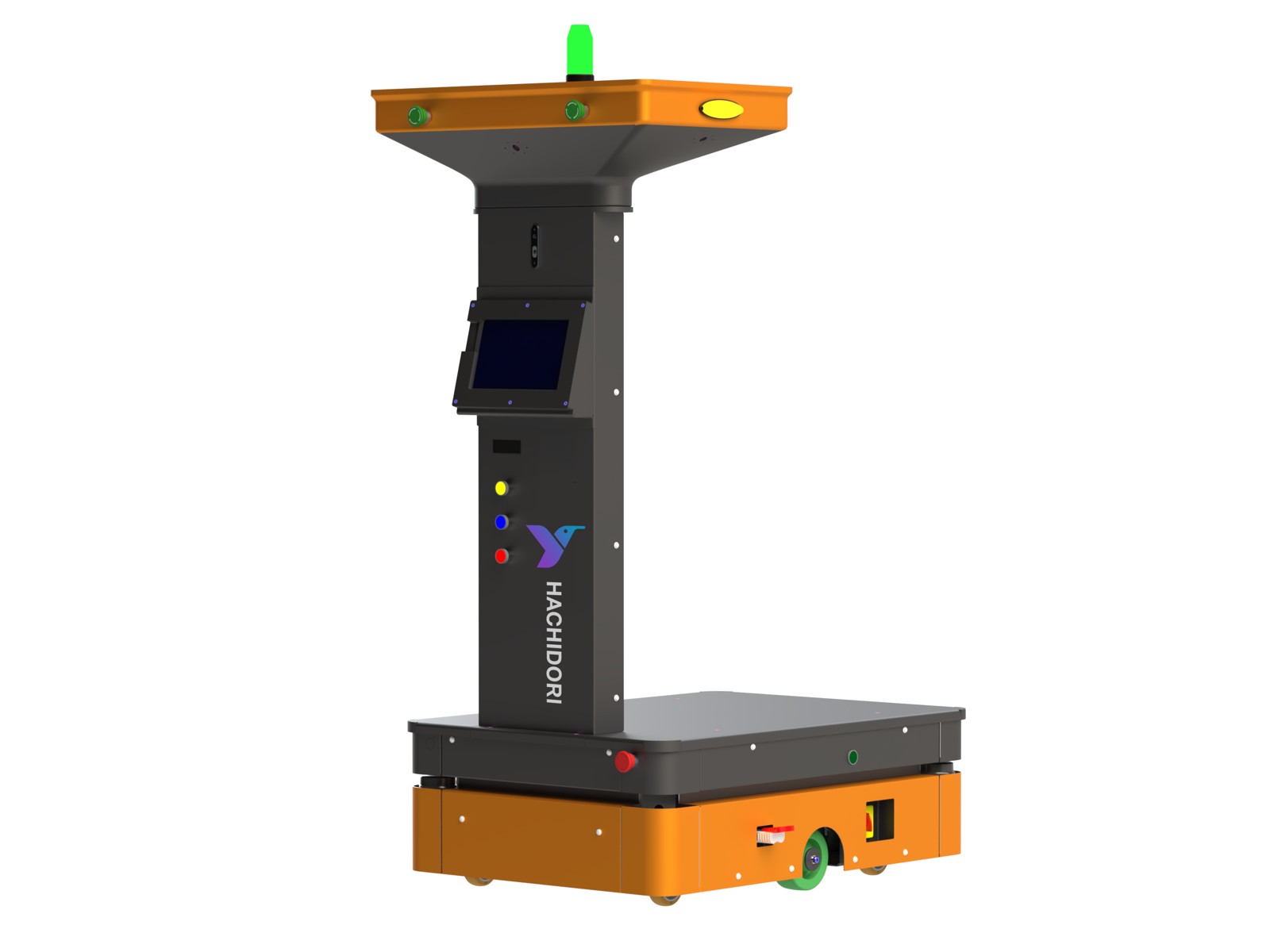
- Unit Load Carrier AMR offers the higher payload (1,300 kg vs 1,000 kg).
SPECIFICATIONS COMPARED
| FlexQube Hanging AGV | Unit Load Carrier AMR | |
|---|---|---|
| Company | FlexQube | Hachidori Robotics |
| Category | Mobile-Robots | Mobile-Robots |
| Price: | Not announced | Not announced |
| Payload | 1,000 kg | 1,300 kg |
| Speed | — | 7.2 km/h |
| Battery Life | — | 48 V 12 Ah (HU200) / 48 V 27 Ah (HU500, HU1300), swappable LiFePO4 |
| Connectivity | Standalone operation; no Wi-Fi or facility network required | VDA 5050; WMS/ERP API integration |
| Software / AI | — | Hachidori fleet monitoring dashboard; WiNN navigation |
Buying guides and prices
FREQUENTLY ASKED QUESTIONS
What is the difference between the FlexQube Hanging AGV and the Unit Load Carrier AMR?
FlexQube Hanging AGV is made by FlexQube, while Unit Load Carrier AMR is made by Hachidori Robotics. Both are mobile-robotss, so the differences come down to price and specifications.
Which has the higher payload, the FlexQube Hanging AGV or the Unit Load Carrier AMR?
The Unit Load Carrier AMR has the higher payload at 1,300 kg, compared to 1,000 kg for the FlexQube Hanging AGV.