
EVO Nano Series vs FlyCart 30
Autel Robotics vs DJI — specs, price, and data-backed comparison.
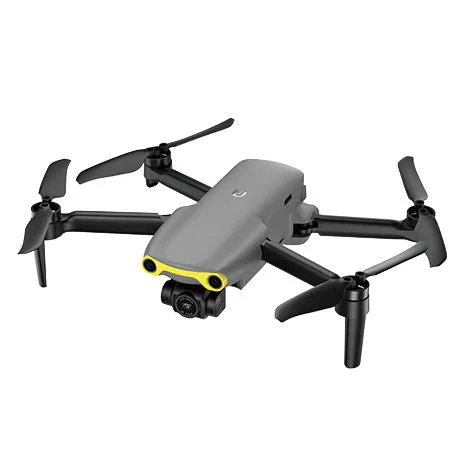
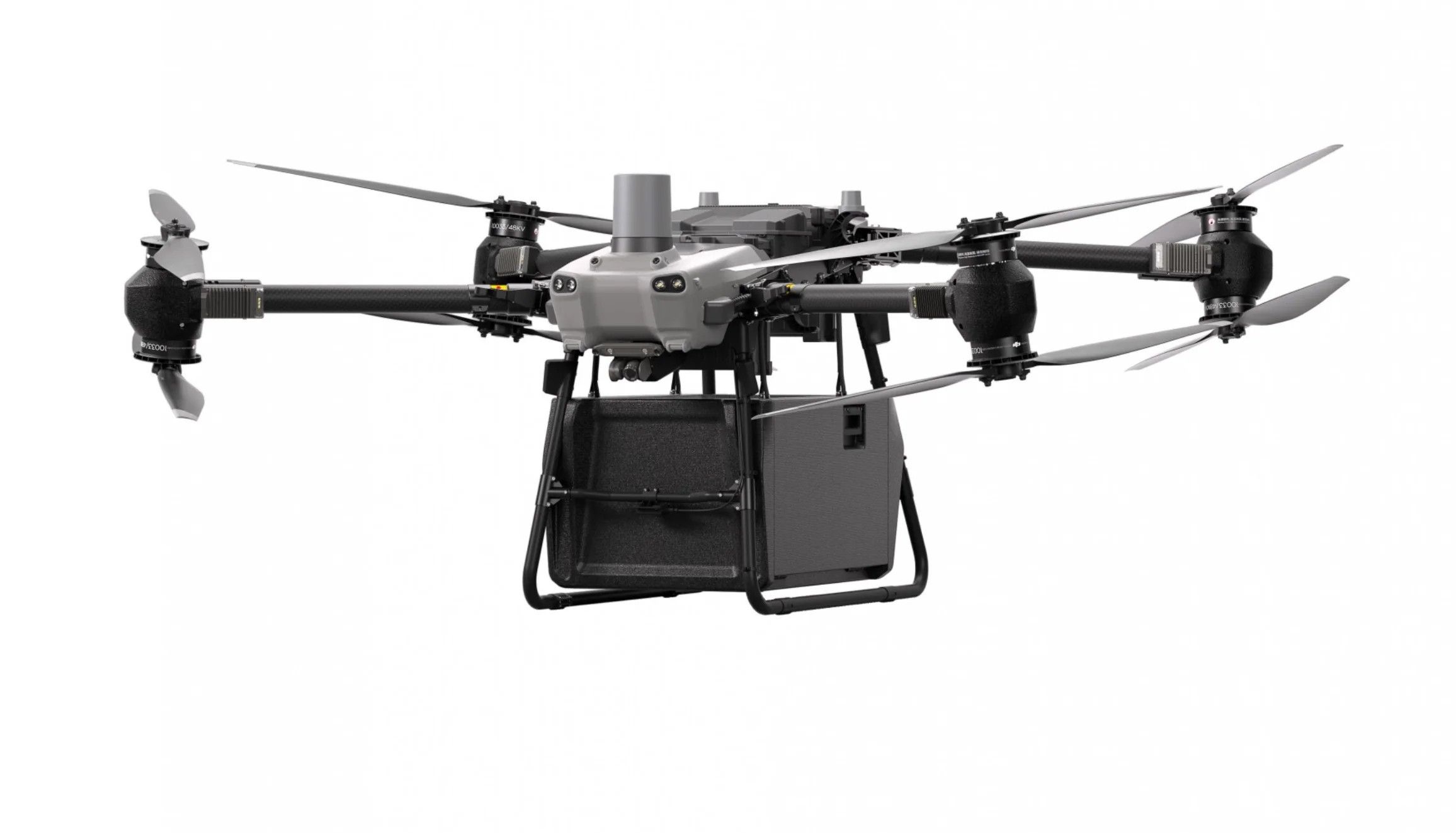
QUICK TAKE
- FlyCart 30 offers the higher payload (85 kg vs 7.5 kg).
- FlyCart 30 offers the faster top speed (72 km/h vs 18 km/h).
- FlyCart 30 offers the longer runtime (1,440 min vs 28 min).
- FlyCart 30 is the newer platform (2,023 vs 2,021).
SPECIFICATIONS COMPARED
| EVO Nano Series | FlyCart 30 | |
|---|---|---|
| Company | Autel Robotics | DJI |
| Category | Aerial | Aerial |
| Price: | Not announced | $20,560–$22,895 |
| Released: | 2021 | 2023 |
| Weight | 0.249 kg | 65 kg |
| Payload | 7.5 kg | 85 kg |
| Degrees of Freedom | 3 | — |
| Speed | 18 km/h | 72 km/h |
| Battery Life | 28 min | 1,440 min |
| Charging Time | — | Approx. 26.5 min (one DB2000 to 98%) or 36.6 min (two batteries to 98%) with DJI C8000 |
| Connectivity | — | DJI O3 (2.4/5.8 GHz, up to 20 km FCC); 4G enhanced video; Wi-Fi 6; Bluetooth 5.1; GNSS (GPS, Galileo, BeiDou); RTK; ADS-B; AES-256 |
| Software / AI | Autel Sky App (iOS/Android), SkyLink tri-band transmission, Visual Perception System | DJI DeliveryHub |
FREQUENTLY ASKED QUESTIONS
What is the difference between the EVO Nano Series and the FlyCart 30?
EVO Nano Series is made by Autel Robotics, while FlyCart 30 is made by DJI. Both are aerials, so the differences come down to price and specifications.
Which is cheaper, the EVO Nano Series or the FlyCart 30?
The FlyCart 30 is listed at $20,560; pricing for the EVO Nano Series has not been publicly announced.
Which has the higher payload, the EVO Nano Series or the FlyCart 30?
The FlyCart 30 has the higher payload at 85 kg, compared to 7.5 kg for the EVO Nano Series.
Which is faster, the EVO Nano Series or the FlyCart 30?
The FlyCart 30 has the higher top speed at 72 km/h, compared to 18 km/h for the EVO Nano Series.
Which has the longer battery life, the EVO Nano Series or the FlyCart 30?
The FlyCart 30 has the higher runtime at about 1,440 minutes, compared to about 28 minutes for the EVO Nano Series.