
Apollo vs K3 Bumblebee
MirrorMe Technology vs Kepler Robotics — specs, price, and data-backed comparison.
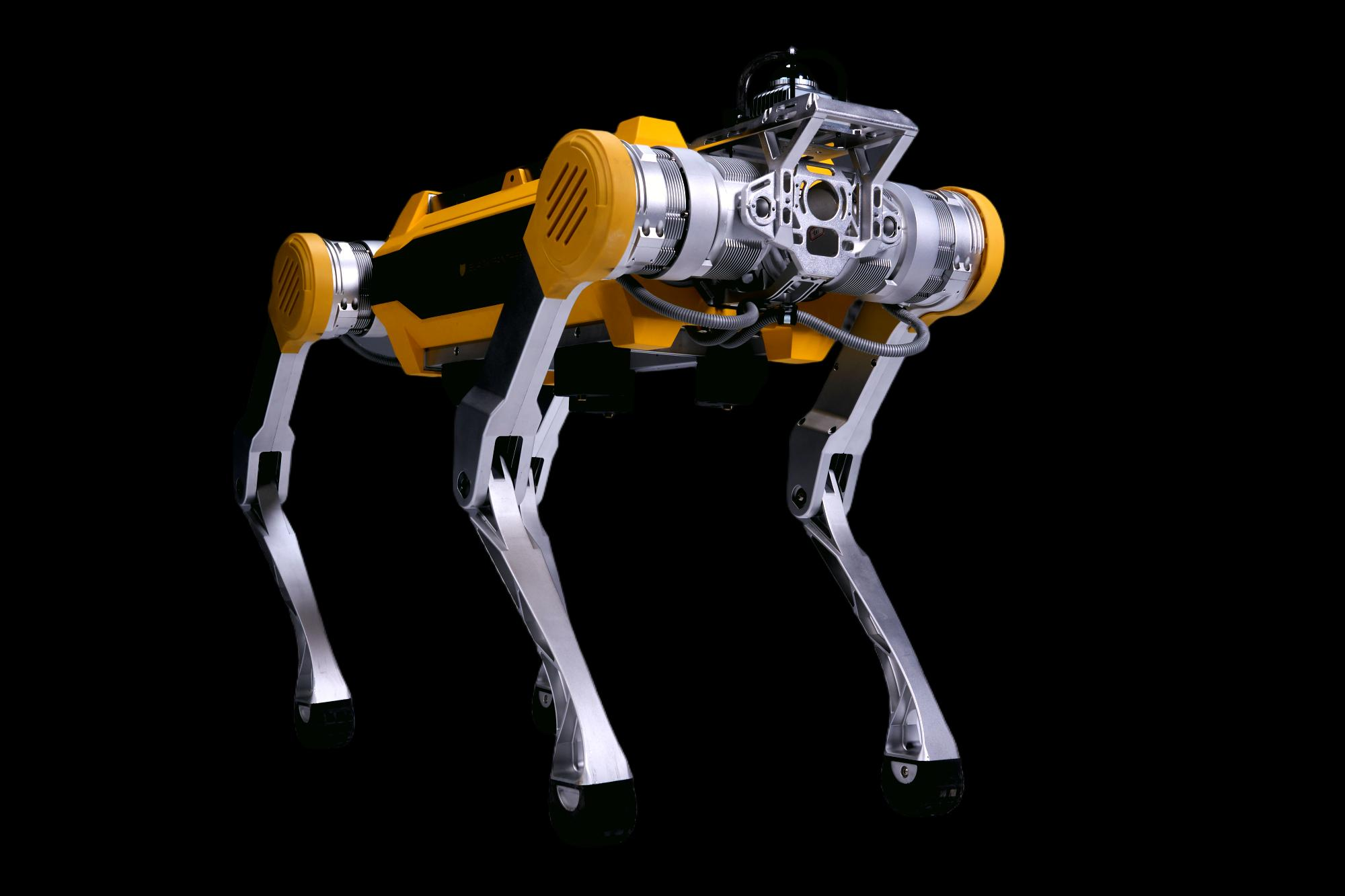

QUICK TAKE
- Apollo offers the higher payload (50 kg vs 30 kg).
- Apollo offers the faster top speed (18 km/h vs 3.49 km/h).
- K3 Bumblebee offers the longer runtime (480 min vs 360 min).
- Apollo offers the larger battery (2.31 kWh vs 1.55 kWh).
- K3 Bumblebee offers the more degrees of freedom (53 vs 12).
- Apollo offers the lighter build (65 kg vs 83 kg).
SPECIFICATIONS COMPARED
| Apollo | K3 Bumblebee | |
|---|---|---|
| Company | MirrorMe Technology | Kepler Robotics |
| Category | Industrial-Robot | Humanoid |
| Price: | Not announced | Not announced |
| Weight | 65 kg | 83 kg |
| Payload | 50 kg | 30 kg |
| Degrees of Freedom | 12 | 53 |
| Speed | 18 km/h | 3.49 km/h |
| Battery Life | 360 min | 480 min |
| Software / AI | — | Nebula Embodied Intelligence Open Operating System; Kepler-OmniVTLA dataset ecosystem |
FREQUENTLY ASKED QUESTIONS
What is the difference between the Apollo and the K3 Bumblebee?
Apollo is made by MirrorMe Technology, while K3 Bumblebee is made by Kepler Robotics. Apollo is a industrial-robot, while K3 Bumblebee is a humanoid.
Which has the higher payload, the Apollo or the K3 Bumblebee?
The Apollo has the higher payload at 50 kg, compared to 30 kg for the K3 Bumblebee.
Which is faster, the Apollo or the K3 Bumblebee?
The Apollo has the higher top speed at 18 km/h, compared to 3.49 km/h for the K3 Bumblebee.
Which has the longer battery life, the Apollo or the K3 Bumblebee?
The K3 Bumblebee has the higher runtime at about 480 minutes, compared to about 360 minutes for the Apollo.