
ALOHA Stationary V2.0 vs Galaxea R1 Lite
Trossen Robotics vs Galaxea AI — specs, price, and data-backed comparison.
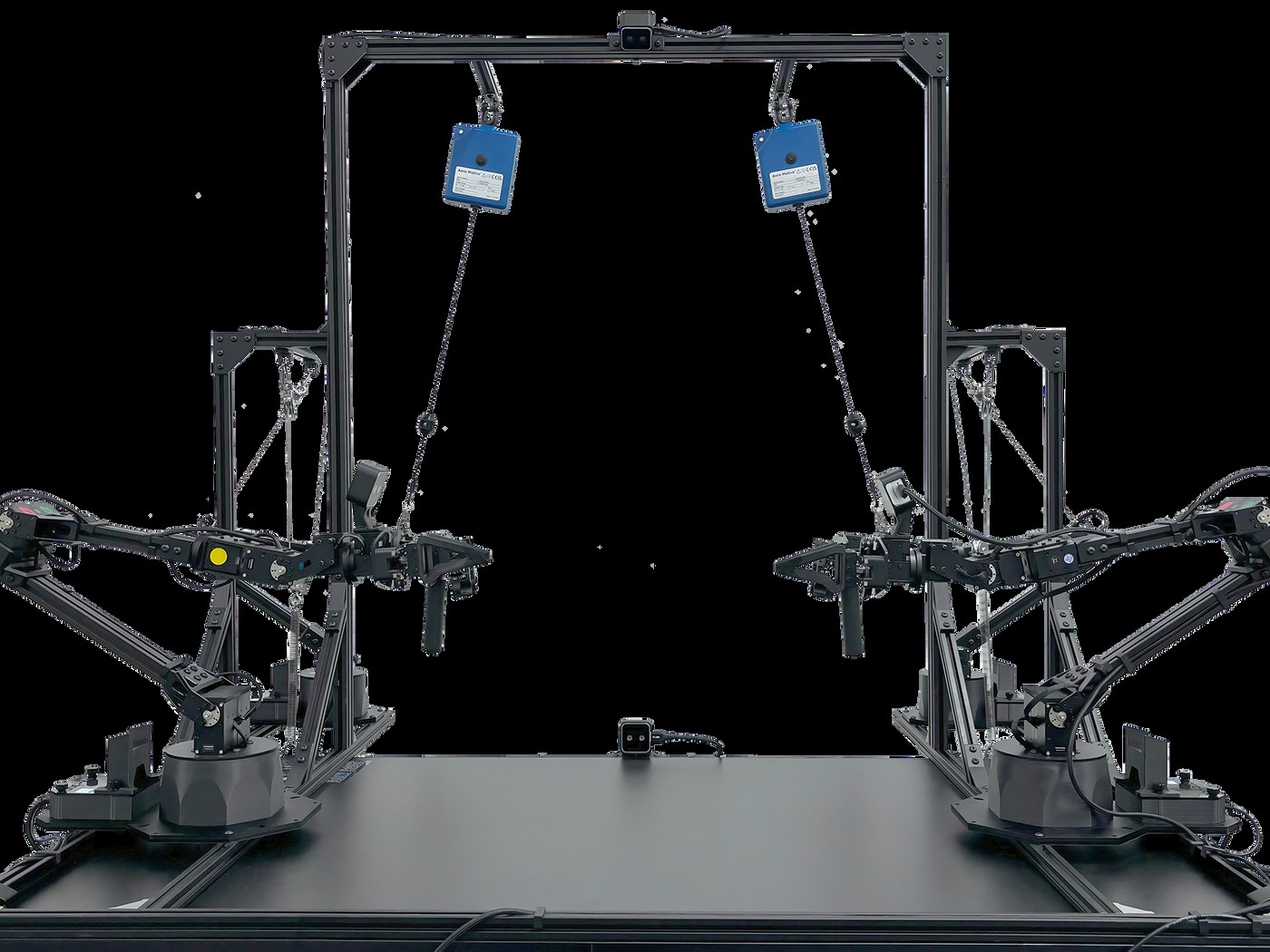
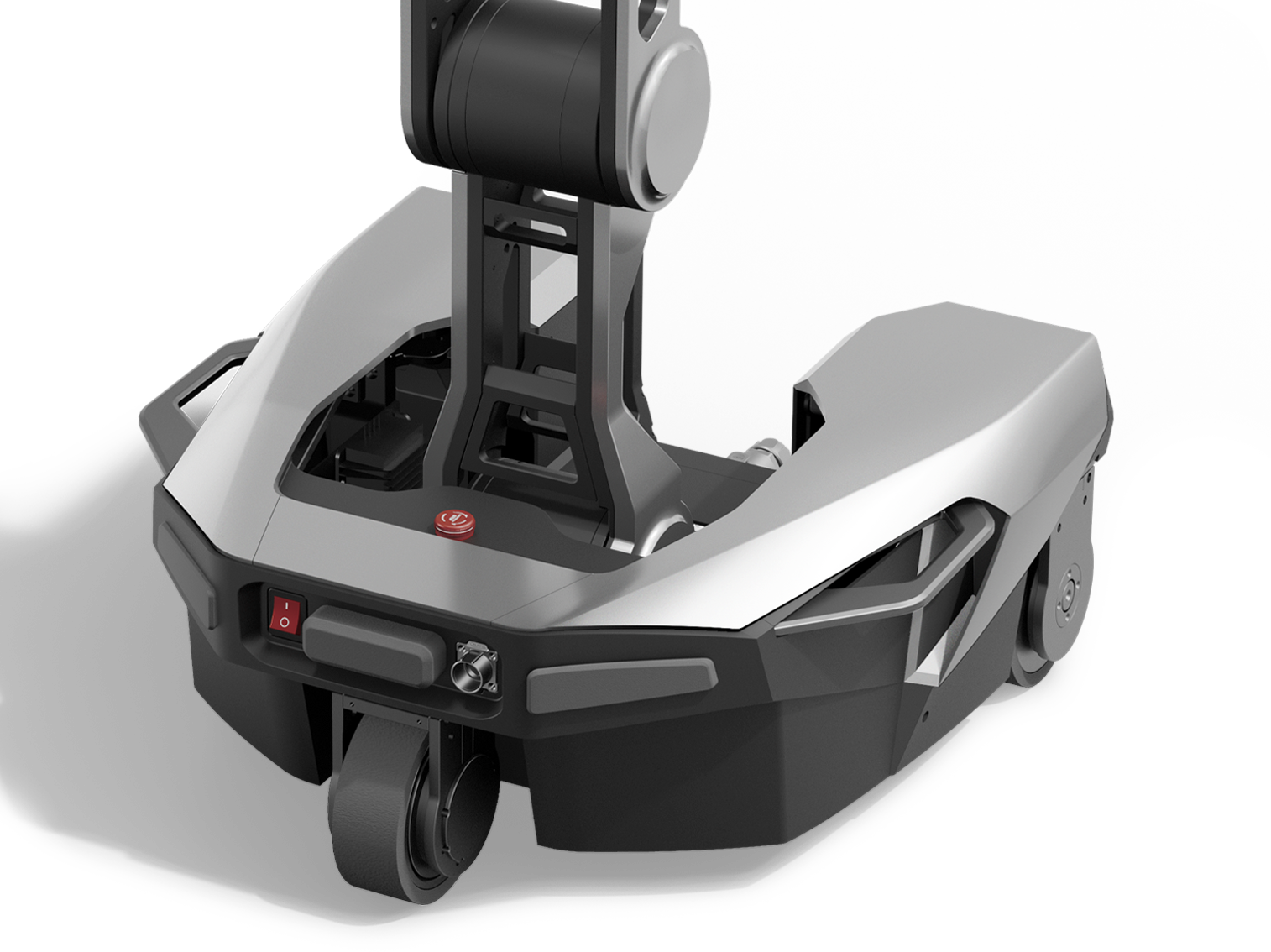
QUICK TAKE
- Galaxea R1 Lite offers the higher payload (5 kg vs 0.75 kg).
- ALOHA Stationary V2.0 offers the longer reach (750 mm vs 600 mm).
- Galaxea R1 Lite offers the more degrees of freedom (23 vs 6).
SPECIFICATIONS COMPARED
| ALOHA Stationary V2.0 | Galaxea R1 Lite | |
|---|---|---|
| Company | Trossen Robotics | Galaxea AI |
| Category | Research-Robots | Humanoid |
| Price: | Not announced | Not announced |
| Released: | 2024 | — |
| Payload | 0.75 kg | 5 kg |
| Reach | 750 mm | 600 mm |
| Degrees of Freedom | 6 | 23 |
| Speed | — | 5.4 km/h |
| Software / AI | — | R1 Lite Teleop isomorphic teleoperation for data collection; Galaxea EDP development platform |
Buying guides and prices
FREQUENTLY ASKED QUESTIONS
What is the difference between the ALOHA Stationary V2.0 and the Galaxea R1 Lite?
ALOHA Stationary V2.0 is made by Trossen Robotics, while Galaxea R1 Lite is made by Galaxea AI. ALOHA Stationary V2.0 is a research-robots, while Galaxea R1 Lite is a humanoid.
Which has the higher payload, the ALOHA Stationary V2.0 or the Galaxea R1 Lite?
The Galaxea R1 Lite has the higher payload at 5 kg, compared to 0.75 kg for the ALOHA Stationary V2.0.