SoftBank Leads a US$500 Million Round That Values Agile Robots at US$8.5 Billion
SoftBank led a US$500 million Series F round for Munich-based Agile Robots, valuing the industrial robot and humanoid maker at US$8.5 billion as it expands production capacity in Germany and the United States.

SoftBank Leads a US$500 Million Round That Values Agile Robots at US$8.5 Billion
SoftBank Group led a US$500 million Series F round for Agile Robots, the Munich-based industrial robotics maker, announced Thursday and valuing the company at US$8.5 billion while lifting its total funding raised to US$2 billion. Nvidia, Hitachi, Hitachi Ventures and T.Capital joined the round alongside SoftBank's existing position in the company.
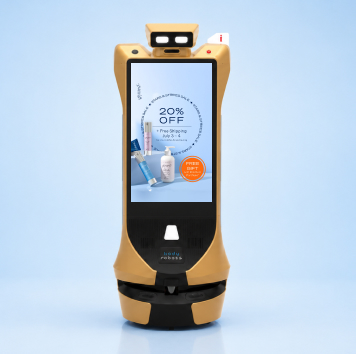
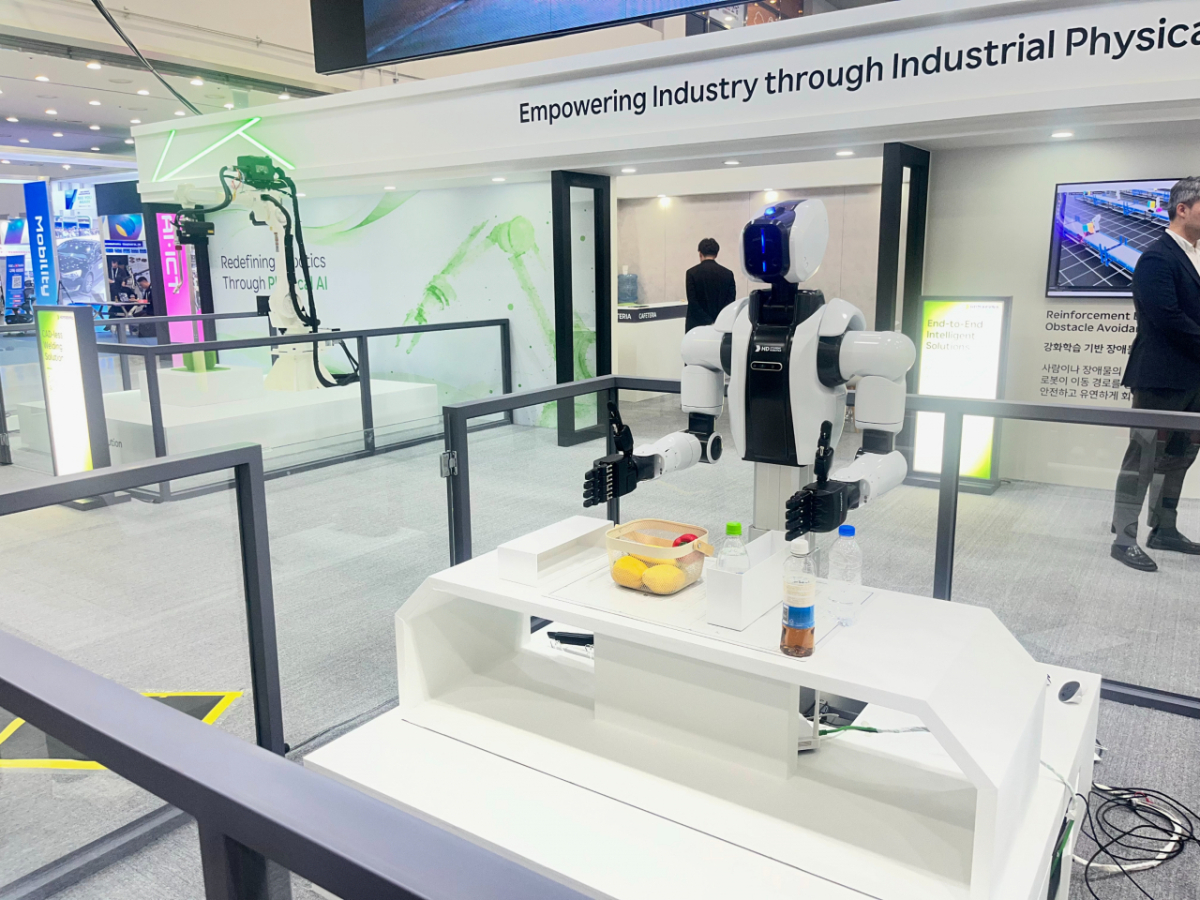
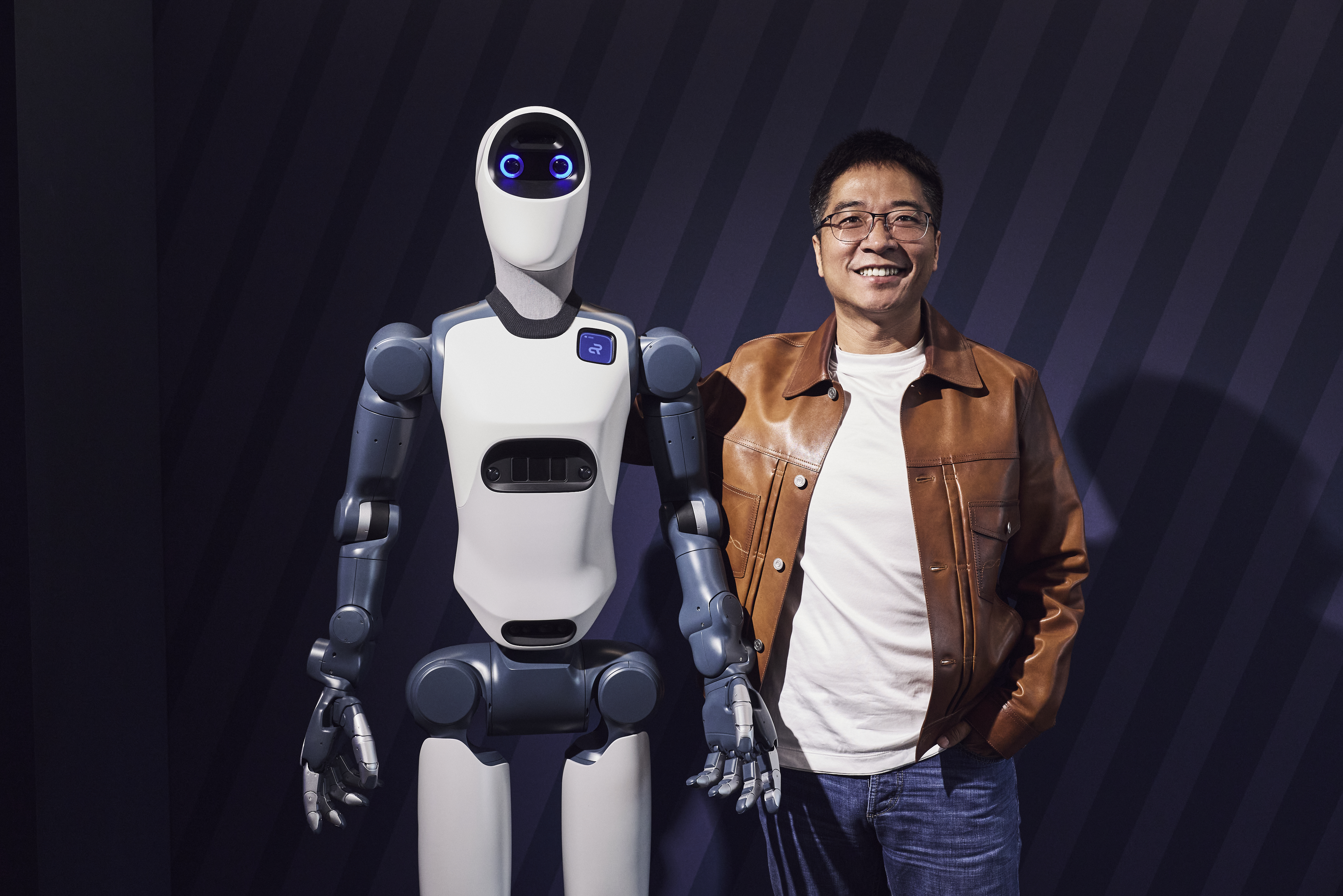
Agile Robots is not yet a household name outside industrial automation circles, but procurement teams evaluating force-controlled robotic arms have likely already seen its hardware. Founded in 2018 as a spin-off from the German Aerospace Center, DLR, the company builds force-sensitive robot arms, mobile robots, the AgileCore software platform that runs them, and, more recently, a humanoid platform called Agile ONE aimed at industrial production lines rather than research demonstrations. The round makes it one of the better-capitalized industrial robotics companies in Europe, and one of the few outside the United States and China to clear a US$8 billion valuation.
What the Capital Actually Buys
Agile Robots says the funds will expand production capacity, including in Germany, strengthen its presence in the United States, enter new markets and accelerate development of its robotics applications. The company's Fürstenfeldbruck site near Munich, opened in early 2026, already has the capacity to produce up to 10,000 legged and wheeled humanoid robots a year. That figure matters more than the funding headline for anyone actually trying to buy from Agile Robots rather than just read about it: a manufacturing line with disclosed annual capacity is a different commercial object than a company still prototyping its production process, and it is the detail that separates this round from the wave of humanoid funding announcements that have arrived with no stated path to delivering physical units at scale.
Dr. Zhaopeng Chen, Agile Robots' founder and chief executive, framed the raise around that production ambition rather than around the robot itself. "Physical AI will fundamentally change how the world builds, moves and makes things," he said, describing the company's goal as bringing that shift into industrial production rather than keeping it in a lab. Dennis Chang, managing partner at SoftBank Investment Advisers, pointed to execution rather than vision as the reason for the check, praising the company's ability to deliver at industrial scale.
SoftBank's Second Attempt at Buying Its Way Into European Robotics
The timing of SoftBank's check is the part of this story that a funding table alone does not explain. Six days earlier, Chinese regulators blocked SoftBank's US$5.4 billion attempt to acquire ABB's robotics division, a deal that would have handed SoftBank a ready-made industrial robot manufacturer with decades of installed base across European and Asian factories. That acquisition is now dead. Leading a US$500 million round into a nine-year-old Munich startup is a far smaller, far slower way to get the same kind of exposure, European industrial robotics manufacturing capacity SoftBank does not have to build from scratch, but it is the option still available to SoftBank after the ABB route closed.
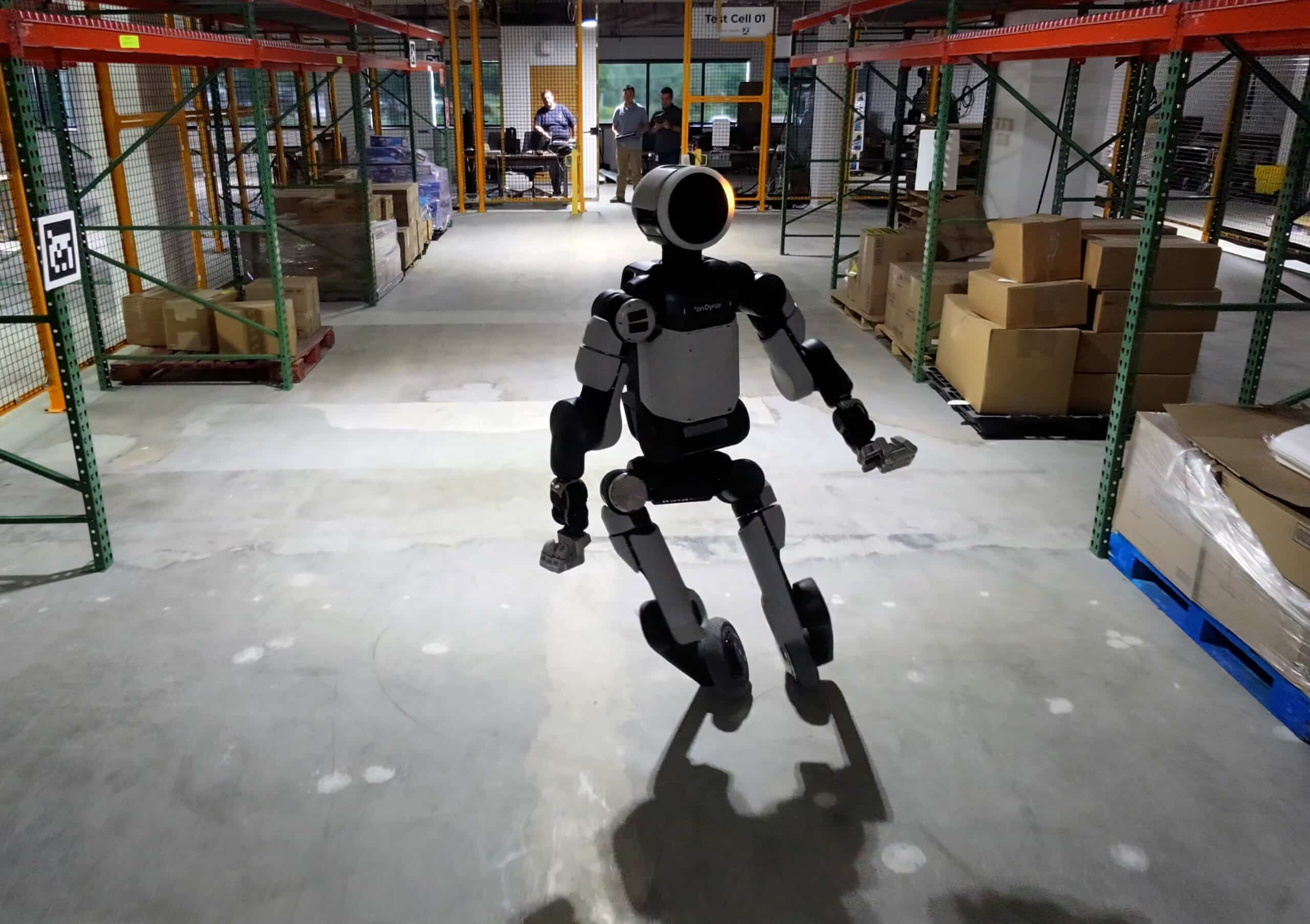
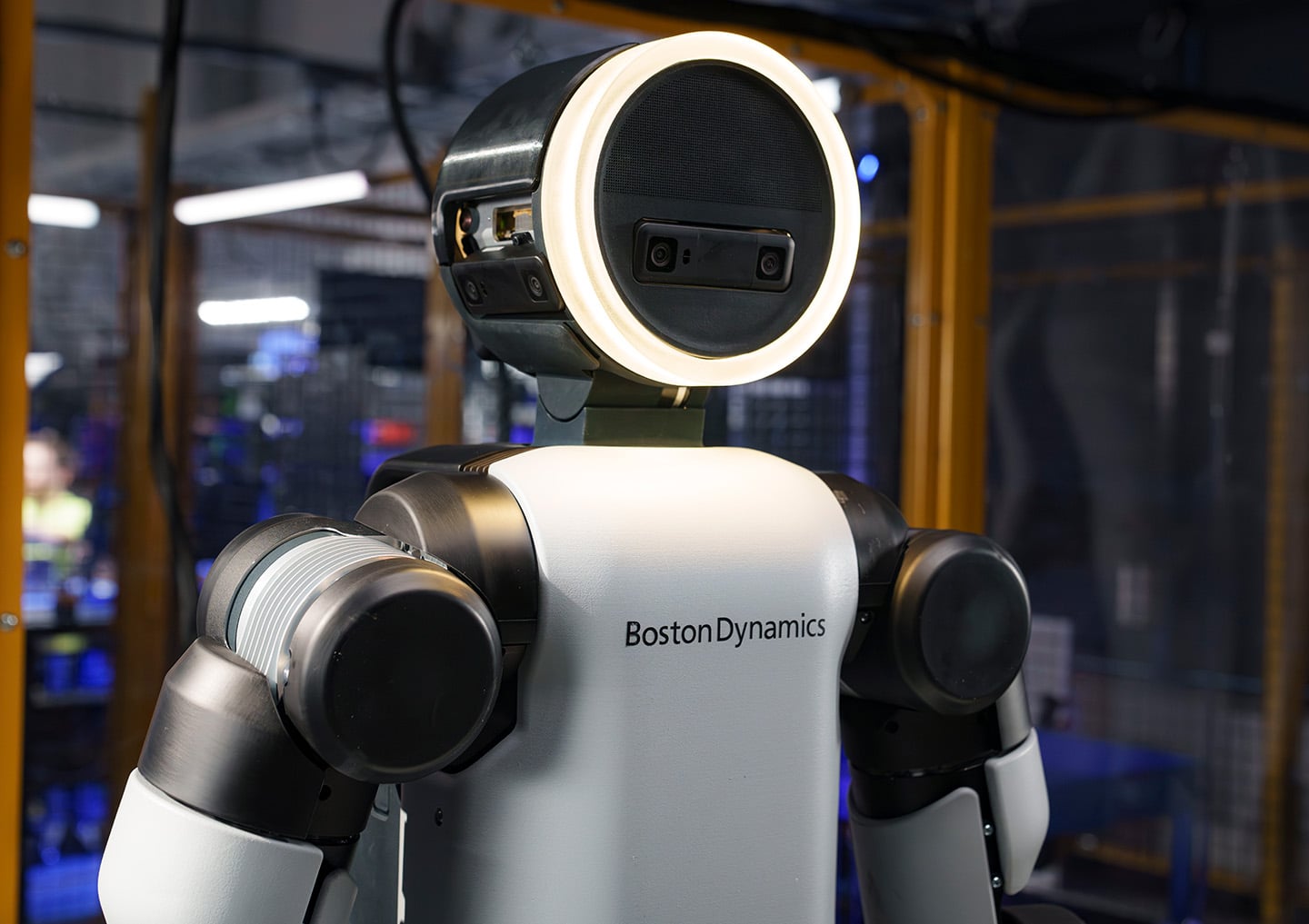
SoftBank already owns Boston Dynamics outright, which gives the Agile Robots position a specific shape rather than a diversified bet: SoftBank now holds a direct stake in a US legged-robot pioneer and a lead investor position in a German industrial-arm and humanoid maker building at factory scale, with no obvious move yet to acquire a comparable foothold in Chinese manufacturing after Beijing's veto of the ABB deal. For a procurement team watching which capital pools are backing which regional supply chains, that is a more useful signal than the valuation number on its own.
Why Nvidia and Hitachi Wrote the Same Check
The other names in the round point to a different kind of dependency than SoftBank's. Nvidia's participation extends a pattern visible across nearly every well-funded humanoid and industrial-robotics company this year: chip and compute providers taking equity positions in the hardware makers that will eventually need their silicon at volume, a bet on demand for Nvidia's compute stack as much as a bet on Agile Robots specifically. Hitachi's involvement, through both its corporate balance sheet and Hitachi Ventures, reads as a customer relationship wearing an investor's hat; Hitachi runs exactly the kind of heavy industrial and energy infrastructure that force-controlled robotic arms are built to work inside, and an equity stake gives it earlier access to deployment slots and product roadmap input than a standard purchase order would.
A Company Straddling Two Different Robotics Markets
Most of the capital flowing into physical AI this year has gone to companies that compete in one of two separate lanes: humanoid-robot makers chasing warehouse and factory labor tasks, or cobot and industrial-arm manufacturers selling into established automation budgets. Agile Robots has built a business that sits across both. Its force-sensitive arm and mobile-robot lines compete with established players like Universal Robots and Yaskawa for the same cobot deployment budgets that have funded factory automation for a decade, a market with known procurement cycles, known integration costs and known safety certifications. Agile ONE, by contrast, competes with Agility Robotics, Figure and a growing field of Chinese entrants for a category that still has no agreed pricing benchmark, no standard safety certification pathway and no long-run reliability data outside a handful of pilot sites.
That dual positioning is unusual, and it is the reason the funding figure matters more for Agile Robots than for a single-category competitor. A cobot buyer with an immediate automation need can place an order against Agile Robots' established arm business today, using the same procurement logic that already governs Universal Robots or Yaskawa purchases, while a factory operator exploring humanoid pilots can evaluate Agile ONE from the same manufacturer rather than vetting an entirely separate, unproven vendor. Few competitors can offer both paths through one sales relationship, and the new capital is explicitly earmarked for expanding the production capacity that makes offering both paths credible rather than aspirational.
The Buyer Calculus Behind an US$8.5 Billion Valuation
None of this changes the question a buying committee actually has to answer: does an US$8.5 billion valuation change what Agile Robots can deliver, or only what it costs to be associated with. The honest answer sits in the middle. A company with US$2 billion in total funding and a declared 10,000-unit annual production line is better positioned to honor a multi-year industrial contract than a competitor running on seed-stage capital and a single pilot cell, and that matters directly to any factory operator weighing supplier risk over a five-year deployment horizon. But valuation is a function of investor appetite for the physical AI category broadly, not a certified measurement of manufacturing yield, software reliability, or field service response time, and buyers who treat a funding round as a substitute for a reference deployment will have confused two different kinds of evidence.
A humanoid platform does not become a procurement option the moment someone writes a check for it; it becomes one the moment its maker can build the tenth thousand unit with the same reliability as the first. Capital raised against a disclosed production line is a different kind of bet than capital raised against a demonstration video, and the gap between those two categories is still where most of the industry's unresolved risk lives.
What Comes Next for Agile Robots' Customers
The nearer-term test for Agile Robots will be whether its expanded US presence translates into disclosed American customer deployments rather than just a sales office, and whether the Fürstenfeldbruck line's stated 10,000-unit capacity shows up in delivered, named contracts over the next two quarters rather than staying a capacity figure on an investor slide. Both of those are checkable claims that will either hold up or not, on a timeline measured in months rather than years. European industrial buyers evaluating force-controlled robotic arms or early humanoid pilots now have a better-capitalized Agile Robots to negotiate with, and a company whose two newest strategic investors, one chip supplier and one heavy-industry conglomerate, are themselves Agile Robots customers in waiting rather than passive financiers.
There is a geographic subtext worth naming directly. A European industrial robotics company raising its capital primarily from a Japanese conglomerate, a US chip maker and a Japanese industrial group, with no Chinese strategic investor in the round, is not an accident at a moment when Beijing has just blocked one major cross-border robotics acquisition and Chinese humanoid makers are simultaneously raising their own capital at a blistering pace domestically. The capital pools backing European and American humanoid and industrial-arm manufacturing are increasingly distinct from the capital pools backing Chinese humanoid manufacturing, and Agile Robots' cap table after this round sits firmly, and visibly, on one side of that divide.
This analysis is for general information purposes only and does not constitute investment, legal, or professional advice. It synthesizes Agile Robots' and SoftBank's public announcements and public market activity as of November 2026.