Just One Year After Founding, Tsinghua-Backed Phi-Bot Secures Car Factory Orders, Bringing Embodied AI to the Real Production Line
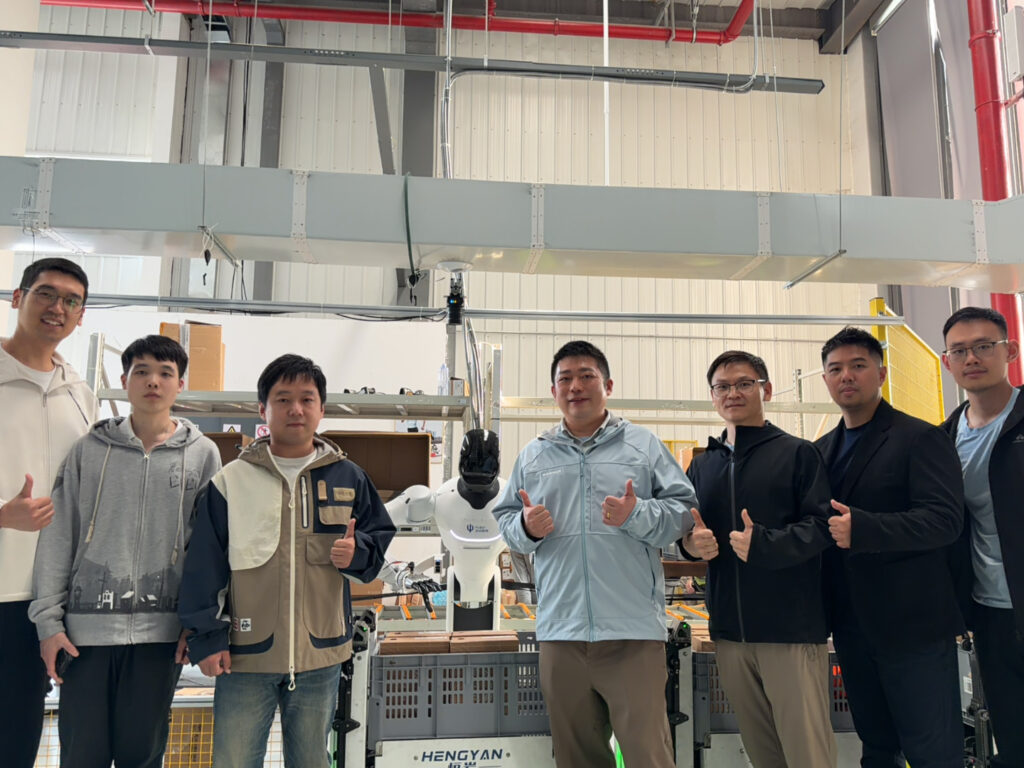
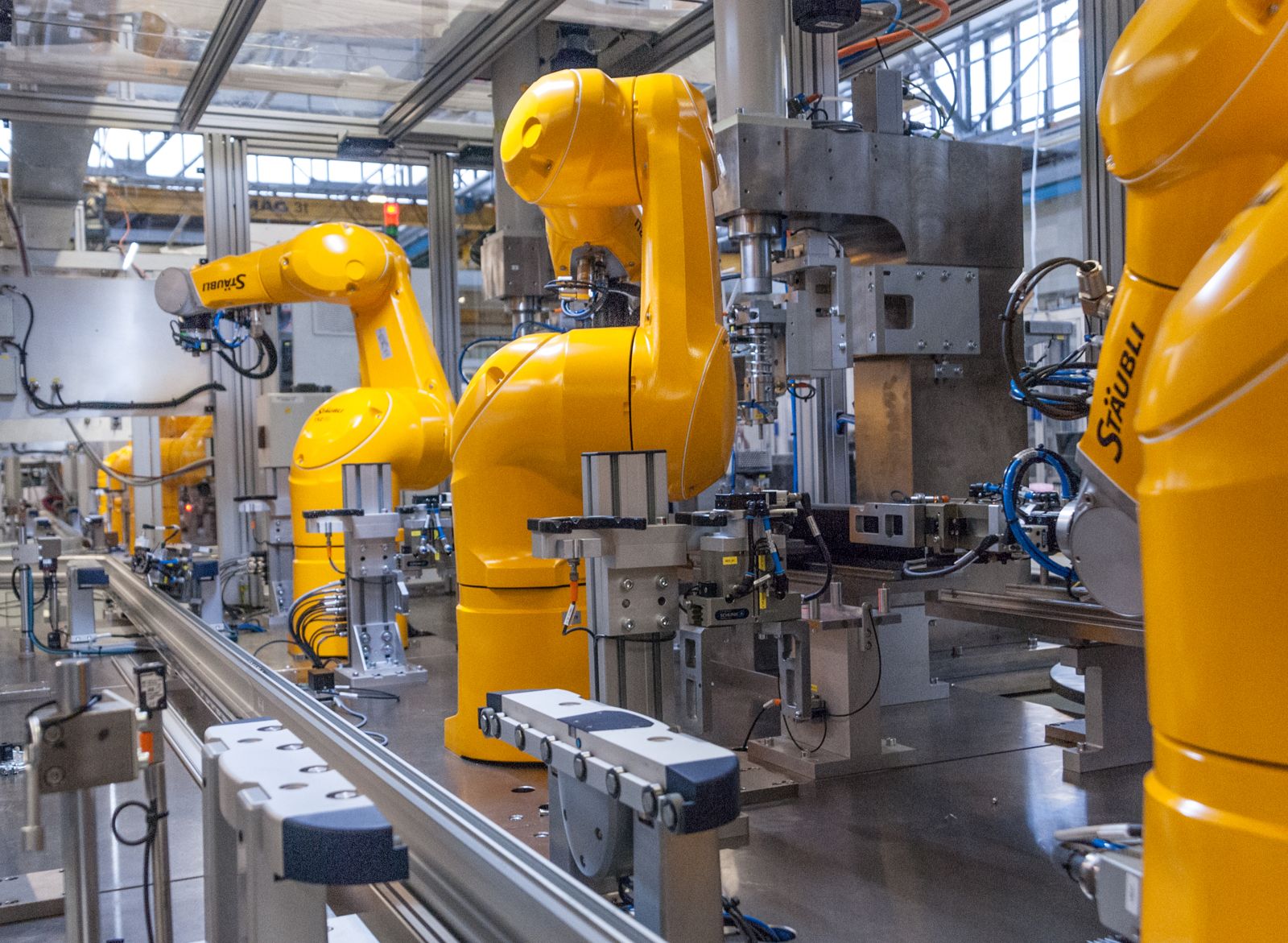
Tsinghua University spin-off Phi-Bot has deployed its industrial-grade Phi-Bot X1 robot into NIO automotive production lines, completing 21.5 hours of zero-error welding operations just one year after the company's founding — proving that real value in embodied AI lies in industrial execution, not just human resemblance.
The embodied AI sector has spent the last year showcasing robots that can run marathons, dance, and perform backflips. Yet, the primary concern for manufacturing executives remains unanswered: when can these robots actually work on the factory floor? Phi-Bot (光象科技), an embodied AI startup directly backed by Tsinghua University, has provided a compelling answer just one year after its founding.
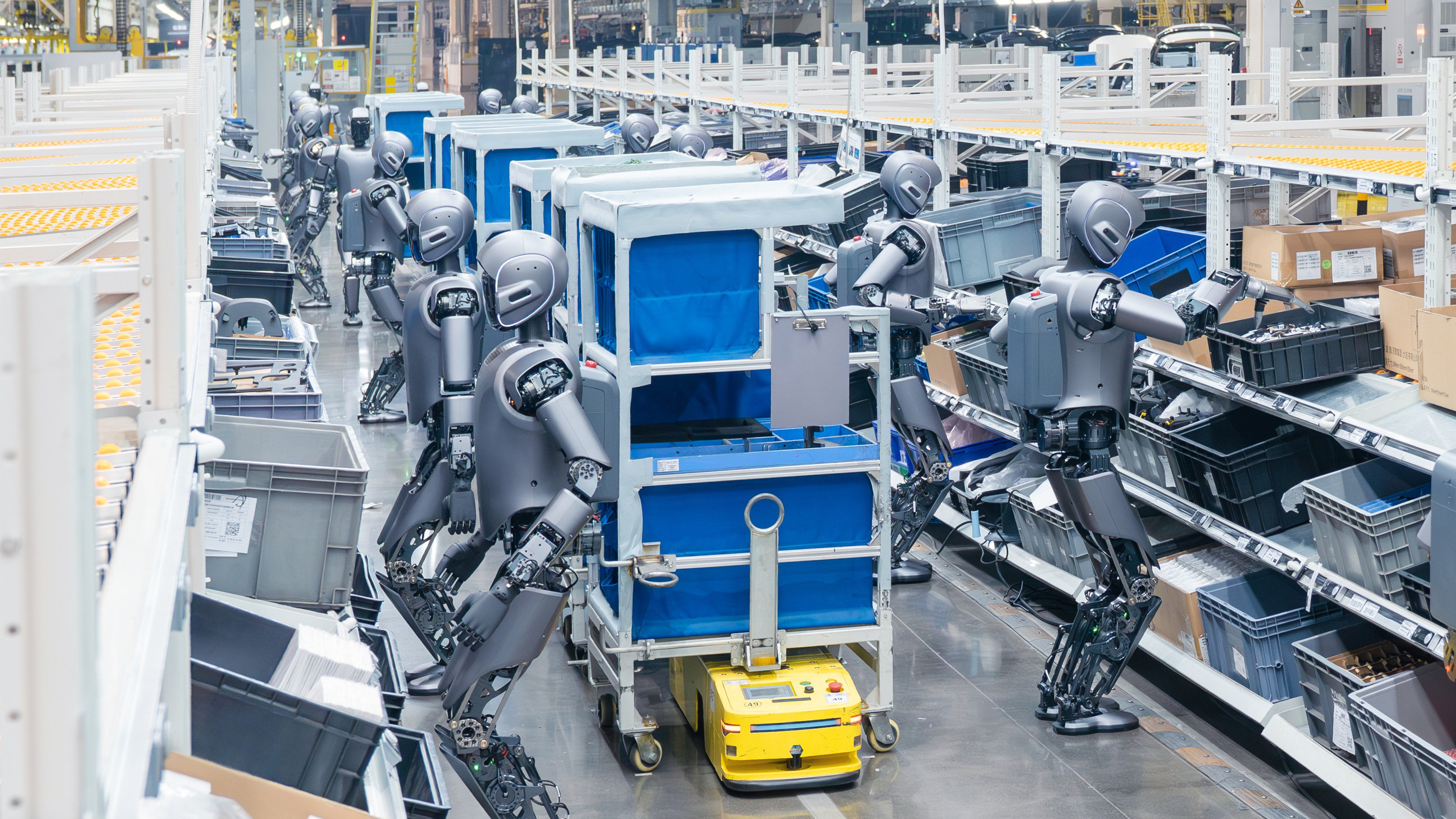
The company recently unveiled the Phi-Bot X1, an industrial-grade, self-evolving embodied AI robot designed specifically for real-world manufacturing environments. In a demonstration at the 2026 ATC Shanghai exhibition, the X1 completed 21.5 hours of continuous loading and unloading tasks in a NIO automotive welding scenario with zero errors and zero interruptions.
Built for the Factory, Not the Stage
Unlike many competitors who build a humanoid first and search for a use case later, Phi-Bot designed the X1 from the ground up to meet the four core demands of modern manufacturing: high precision, high tempo, high reliability, and high safety.
The X1 eschews the popular bipedal design in favour of a four-steering-wheel omnidirectional chassis, allowing it to navigate the narrow confines of automotive assembly lines with millimeter-level precision. Its industrial-grade lifting waist covers a working range of 0 to 2.5 meters, enabling both low-level grasping and high-level operations.
Crucially, the X1 features 27 degrees of freedom with full-joint force control on its dual arms. Based on 1kHz collaborative control and real-time force feedback, the robot possesses an industrial "sense of touch," allowing it to adjust its grip dynamically depending on whether it is handling a wrench, inserting a wiring harness, or moving a delicate component.
The 'Phi-Arch' Advantage: Deployment in Days, Not Months
Hardware specifications are only part of the equation. Phi-Bot's true competitive advantage lies in its software architecture and rapid deployment capabilities. The company has developed a comprehensive physical intelligence system that includes the "Phi-RL Matrix" for reinforcement learning and the "Phi-Space" data generation platform.
This system allows the robot to train extensively in a high-fidelity simulated environment before it ever touches a physical component. By the time the X1 arrives at a factory, it already possesses a deep "physical intuition" for the tasks it needs to perform. Supported by the "Phi-Arch" full-stack development platform, Phi-Bot has reduced the deployment time from model importation to real-world operation to just one week, with plans to compress this timeline to a matter of days.
Phi-Bot's early success with major automakers like NIO suggests that the automotive industry, with its complex yet highly standardized processes, will serve as the ultimate proving ground for embodied AI. As the X1 scales from one factory to dozens, it is not just replicating hardware; it is replicating industrial skills, paving the way for a new era of intelligent productivity.
Primary Source: QbitAI (量子位) — June 15, 2026