
Apollo vs NAVIAI U2
MirrorMe Technology vs Zhejiang Humanoid Robot Innovation Center — specs, price, and data-backed comparison.
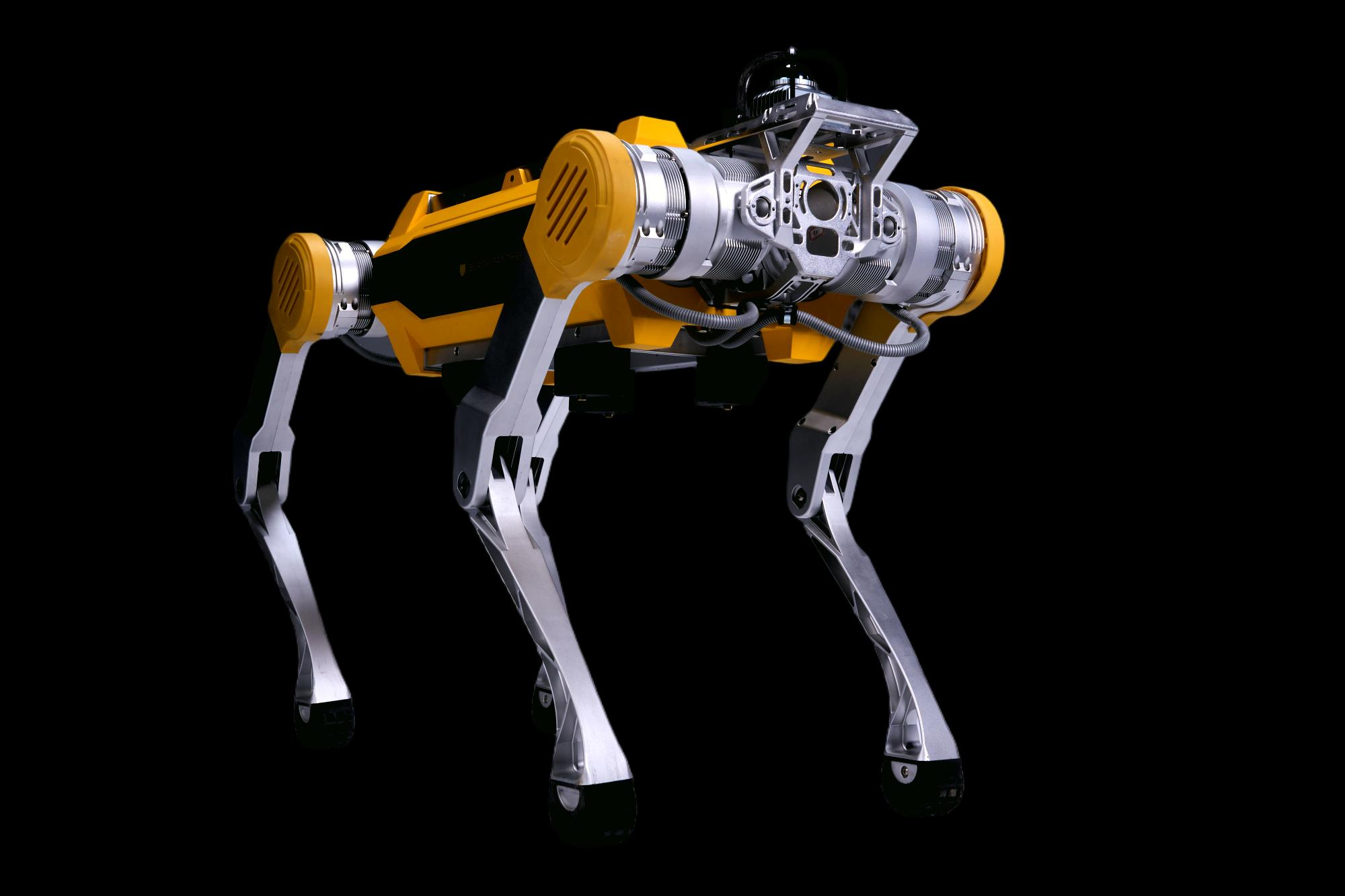
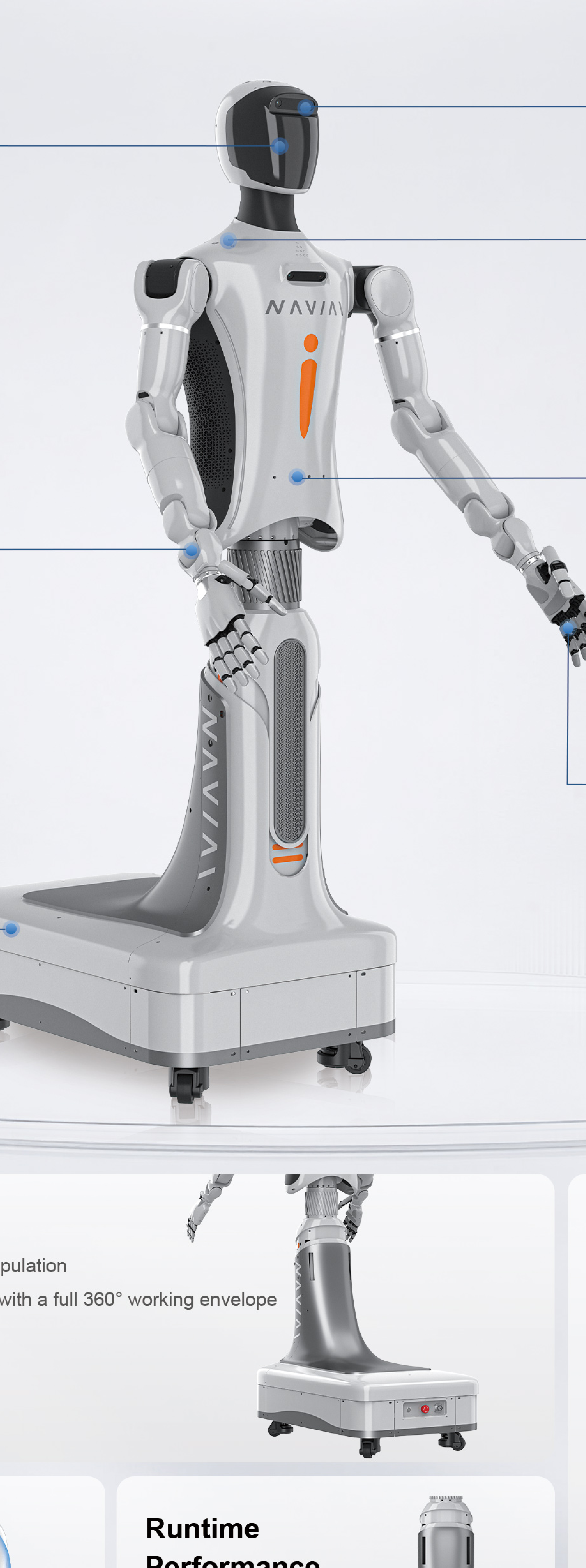
クイックまとめ
- Apollo offers the higher payload (50 kg vs 22 kg).
- NAVIAI U2 offers the more degrees of freedom (31 vs 12).
- Apollo offers the lighter build (65 kg vs 152 kg).
スペック比較
| Apollo | NAVIAI U2 | |
|---|---|---|
| 企業 | MirrorMe Technology | Zhejiang Humanoid Robot Innovation Center |
| カテゴリー | Industrial-Robot | Humanoid |
| 価格: | 未発表 | 未発表 |
| 重量 | 65 kg | 152 kg |
| 可搬重量 | 50 kg | 22 kg |
| 自由度 | 12 | 31 |
| 速度 | 18 km/h | — |
| バッテリー駆動時間 | 360 min | — |
| ソフトウェア / AI | — | Optional basic SDK for whole-body status monitoring, low-level motion control, sensor data, manipulation, navigation and audio interaction; optional advanced SDK with vision-force servoing; OTA updates |
購入ガイドと価格
よくある質問
What is the difference between the Apollo and the NAVIAI U2?
Apollo is made by MirrorMe Technology, while NAVIAI U2 is made by Zhejiang Humanoid Robot Innovation Center. Apollo is a industrial-robot, while NAVIAI U2 is a humanoid.
Which has the higher payload, the Apollo or the NAVIAI U2?
The Apollo has the higher payload at 50 kg, compared to 22 kg for the NAVIAI U2.