
Apollo vs NAVIAI U2
MirrorMe Technology vs Zhejiang Humanoid Robot Innovation Center — specs, price, and data-backed comparison.
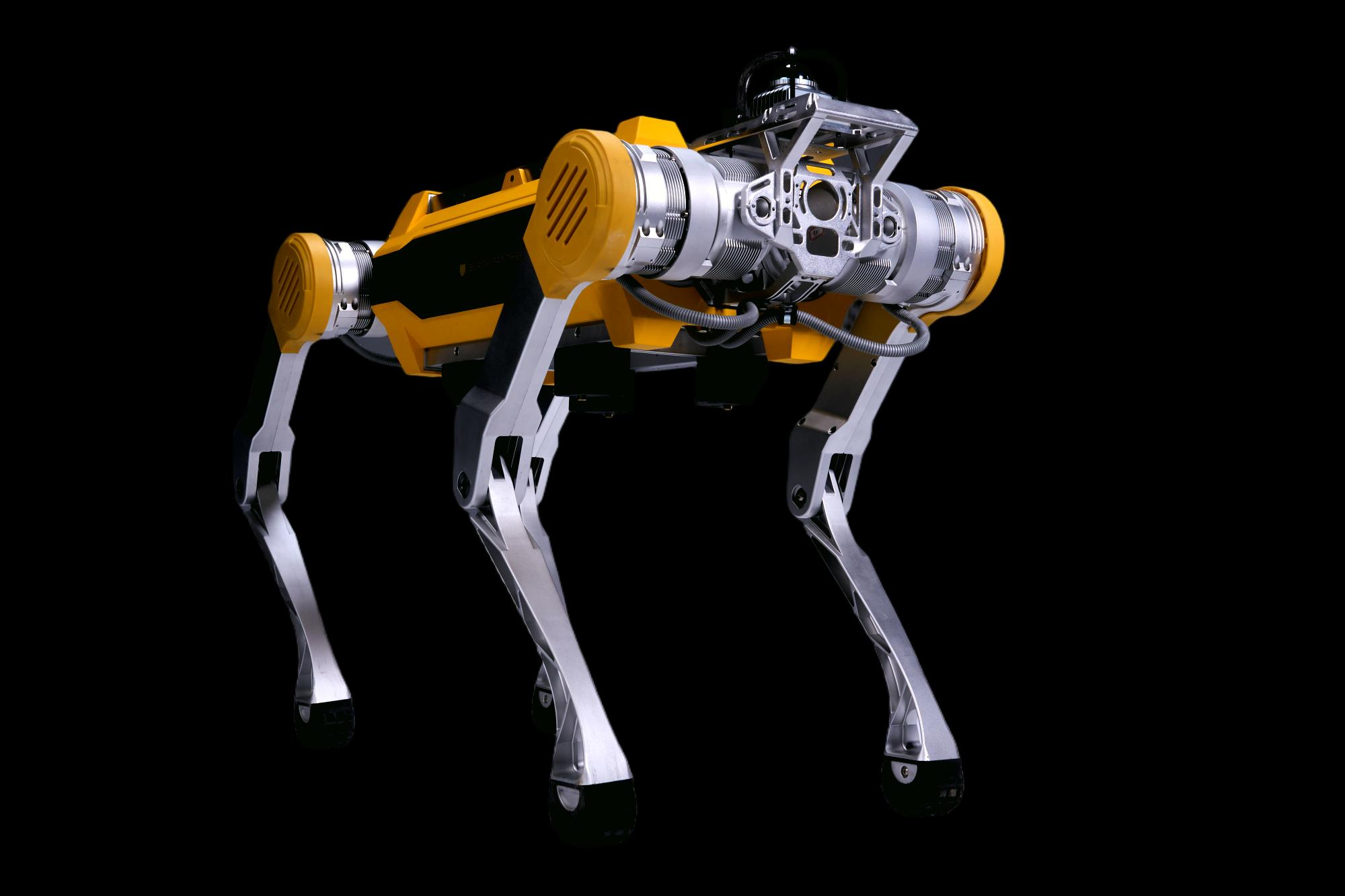
Apollo
MirrorMe Technology
Nicht angekündigt
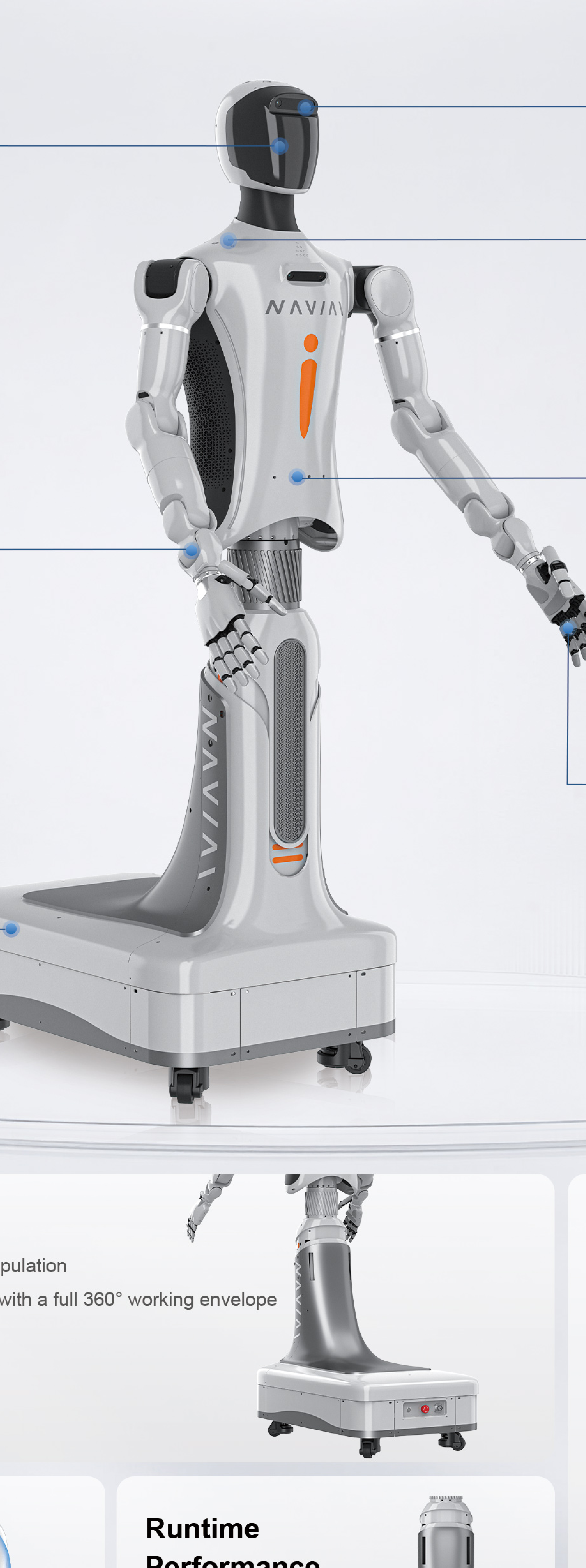
NAVIAI U2
Zhejiang Humanoid Robot Innovation Center
Nicht angekündigt
KURZFAZIT
- Apollo offers the higher payload (50 kg vs 22 kg).
- NAVIAI U2 offers the more degrees of freedom (31 vs 12).
- Apollo offers the lighter build (65 kg vs 152 kg).
TECHNISCHE DATEN IM VERGLEICH
| Apollo | NAVIAI U2 | |
|---|---|---|
| Hersteller | MirrorMe Technology | Zhejiang Humanoid Robot Innovation Center |
| Kategorie | Industrial-Robot | Humanoid |
| Preis: | Nicht angekündigt | Nicht angekündigt |
| Gewicht | 65 kg | 152 kg |
| Traglast | 50 kg | 22 kg |
| Freiheitsgrade | 12 | 31 |
| Geschwindigkeit | 18 km/h | — |
| Akkulaufzeit | 360 min | — |
| Software / KI | — | Optional basic SDK for whole-body status monitoring, low-level motion control, sensor data, manipulation, navigation and audio interaction; optional advanced SDK with vision-force servoing; OTA updates |
Kaufberater und Preise
HÄUFIG GESTELLTE FRAGEN
What is the difference between the Apollo and the NAVIAI U2?
Apollo is made by MirrorMe Technology, while NAVIAI U2 is made by Zhejiang Humanoid Robot Innovation Center. Apollo is a industrial-robot, while NAVIAI U2 is a humanoid.
Which has the higher payload, the Apollo or the NAVIAI U2?
The Apollo has the higher payload at 50 kg, compared to 22 kg for the NAVIAI U2.