DESCRIPTION
Oceaneering Isurus ROV est un Marine de Oceaneering International. Il est conçu pour Construction, Manipulation, Surveying. Chiffres clés : 3400 kg, 227 kg de charge utile.
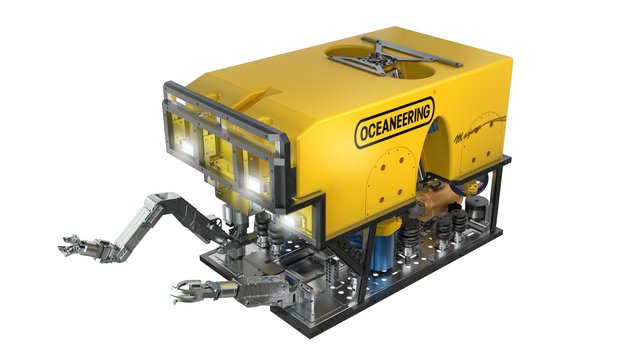
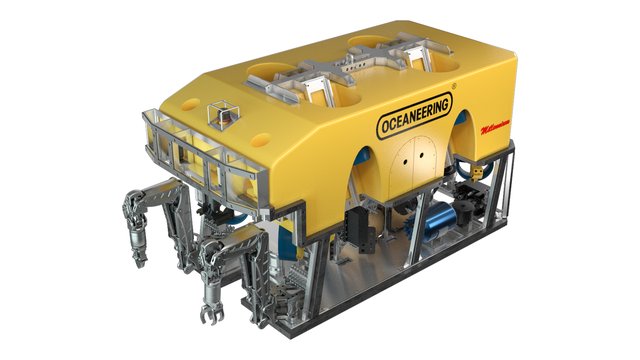
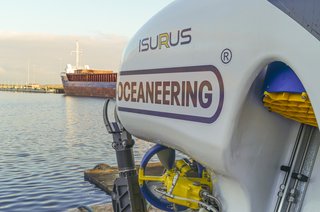
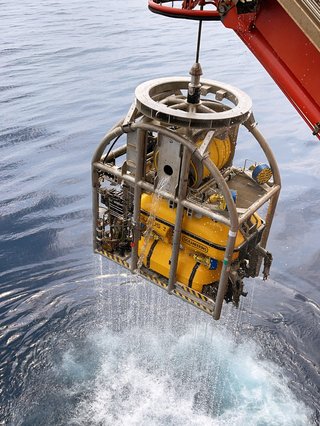
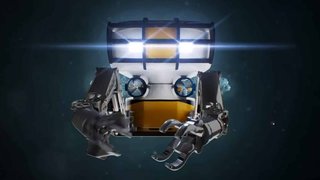
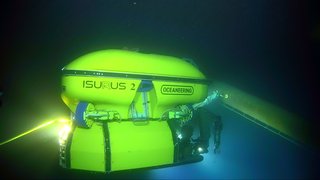
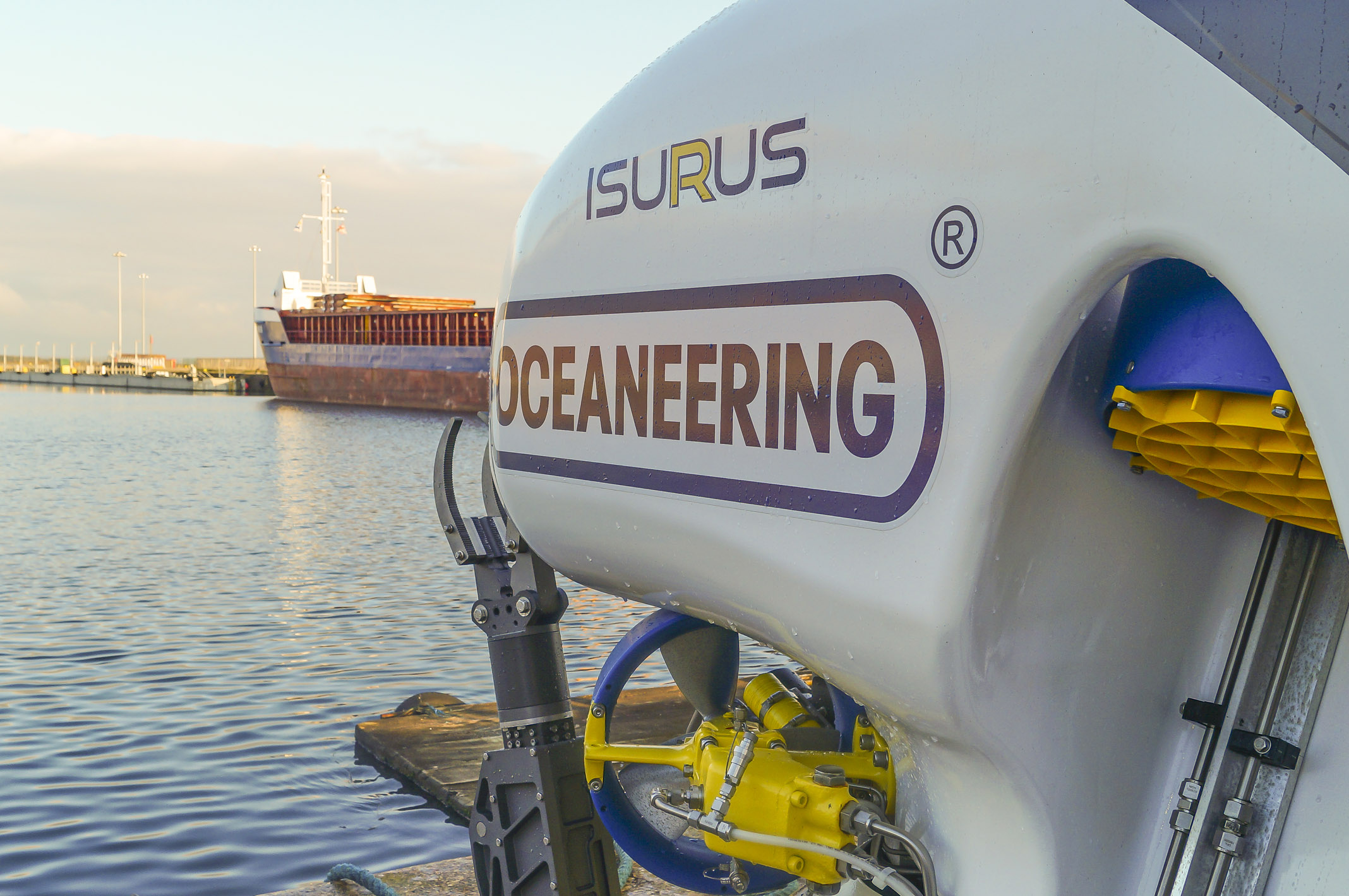
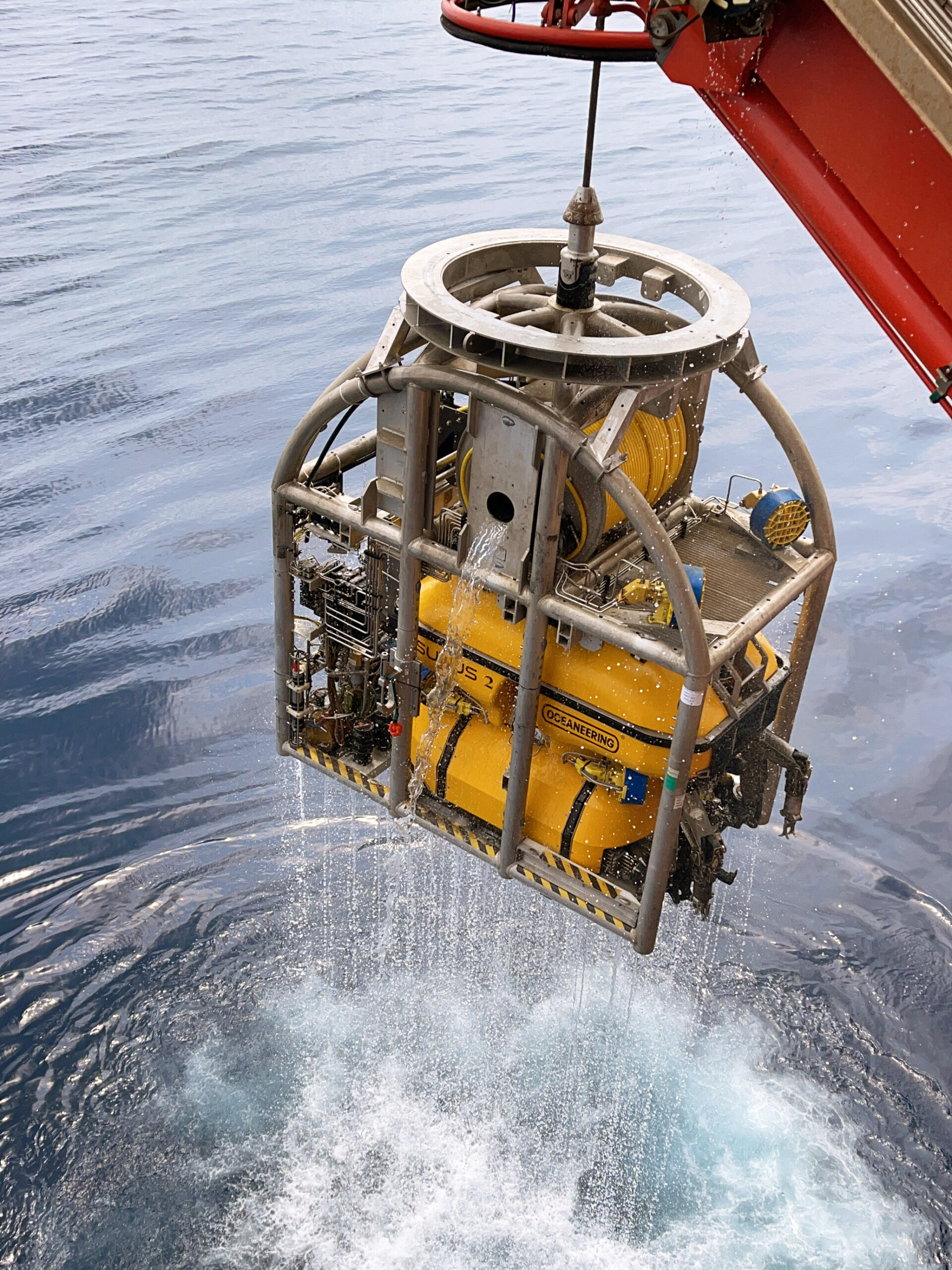
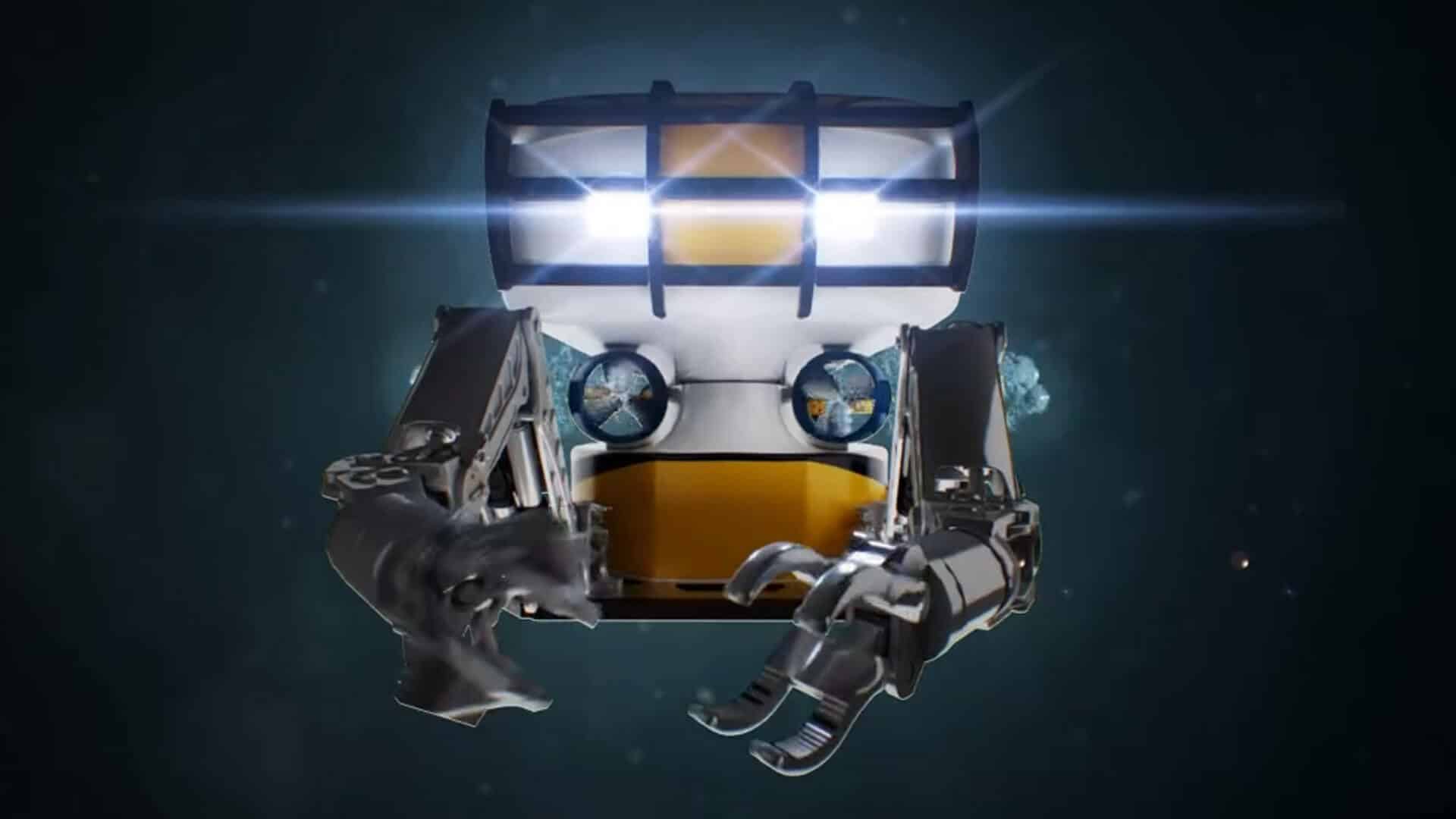
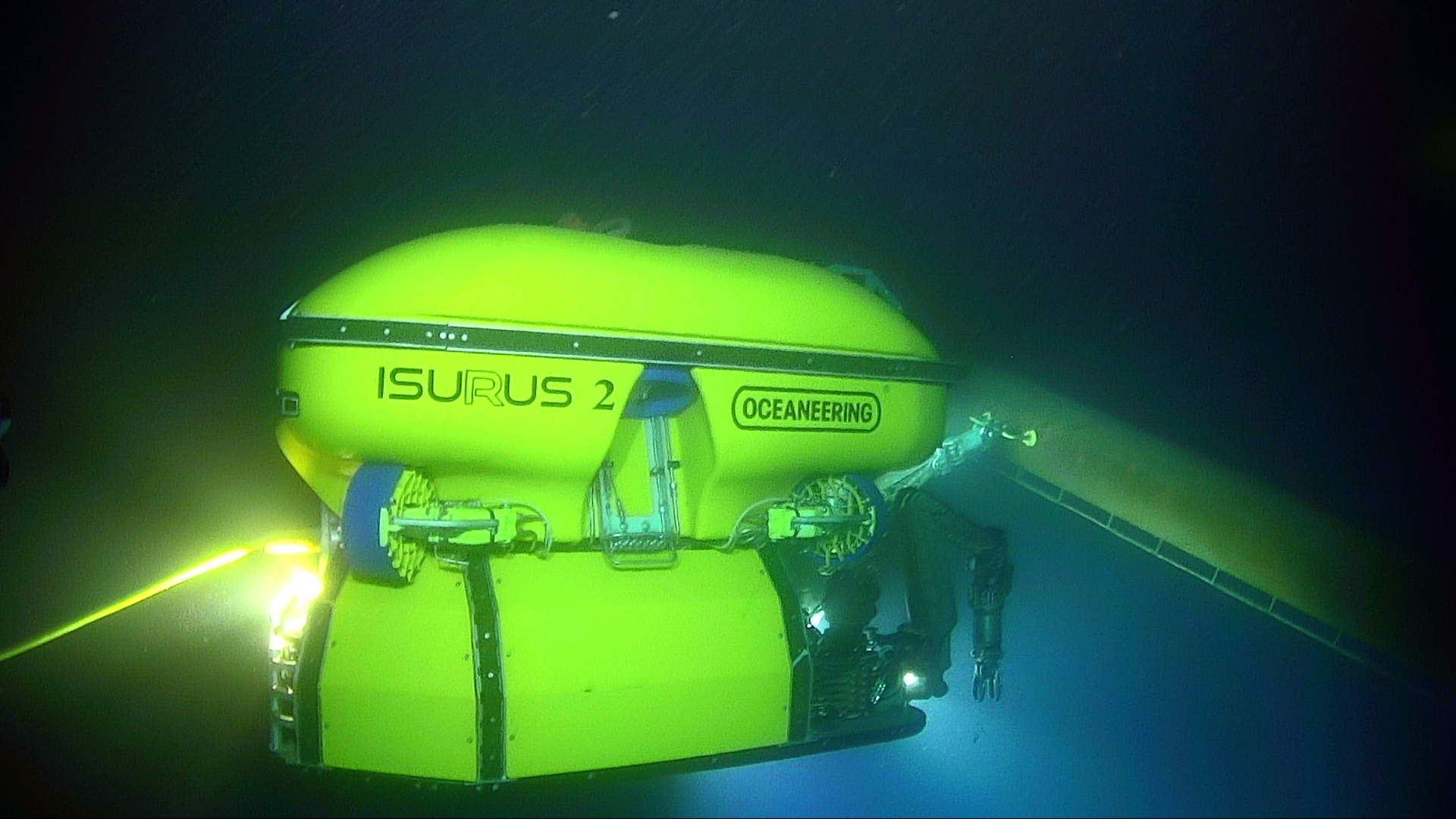
Isurus is a true work-class ROV built to keep working in strong currents, purpose-built for offshore wind operations. Based on Oceaneering's Magnum ROV, it combines optimised hydraulic and propulsion packages with a hydrodynamic design, adding up to six hours of operational time per day where tidal and structure-induced currents would stop a conventional ROV - in areas such as West of Shetland, the North Sea, East Asia, India, Brazil and the U.S. It reaches 5 knots forward and reverse, over 2 knots laterally and 1.3 knots vertically. The 3,400 kg vehicle measures 2.6 x 1.6 x 1.9 m, is rated to 3,000 m and carries 227 kg of payload, with two 85 hp hydraulic power units, four vectored horizontal and two vertical thrusters (1,900 lb forward thrust), two 7-function manipulators, a wrist camera assembly and six proportional tool-control valves. Fly-by-wire station keeping, auto heading, depth and altitude and cruise control are standard, and it uses Oceaneering's ORCA real-time condition-assessment software. Typical work includes cable lay, pre- and post-lay cable survey runs, messenger-wire hook-up, foundation installation and deploying subsea crawlers for weld inspection, plus high-speed ROV surveys; Oceaneering launched its fifth and sixth Isurus systems in 2022 on customer demand.
FONCTIONNALITÉS
- True work-class ROV for high currents
- Up to 6 extra operating hours per day
- Speed: 5 knots fwd/rev, >2 knots lateral, 1.3 knots vertical
- 3400 kg in air
- 2.6 x 1.6 x 1.9 m
- Depth rating 3000 m
- Payload 227 kg
- 2 x 85 hp hydraulic power units
- 4 vectored horizontal + 2 vertical thrusters
- 1900 lb forward thrust
- Two 7-function manipulators
- wrist camera with laser and light
- Fly-by-wire station keeping
- auto heading/depth/altitude
- ORCA real-time condition assessment software
- Offshore wind: cable lay, cable survey, foundation installation
CARACTÉRISTIQUES TECHNIQUES
Vérifié| Physique | |
| Poids | 3400 kg in air |
|---|---|
| Dimensions | L 2.6 m |
| Charge utile | 227 kg |
| Mobilité | |
| Type de déplacement | Aquatic |
| Vitesse | 9.3 km/h |
| Manipulation | Élevée |
| Environnement | Subsea: offshore oil and gas, renewables and deep water |
FORUMS DU ROBOT
Chargement des forums...
CARACTÉRISTIQUES TECHNIQUES
Vérifié| Physique | |
| Poids | 3400 kg in air |
|---|---|
| Dimensions | L 2.6 m |
| Charge utile | 227 kg |
| Mobilité | |
| Type de déplacement | Aquatic |
| Vitesse | 9.3 km/h |
| Manipulation | Élevée |
| Environnement | Subsea: offshore oil and gas, renewables and deep water |
Images
Contributions d'images
Vidéos
FORUMS DU ROBOT
Chargement des forums...
NOTES
QUESTIONS FRÉQUENTES
What is the Oceaneering Isurus ROV?
Isurus is a true work-class ROV built to keep working in strong currents, purpose-built for offshore wind operations. Based on Oceaneering's Magnum ROV, it combines optimised hydraulic and propulsion packages with a hydrodynamic design, adding up to six hours of operational time per day where tidal and structure-induce…
Who makes the Oceaneering Isurus ROV?
The Oceaneering Isurus ROV is made by Oceaneering International, a robotics company based in United States.
How much does the Oceaneering Isurus ROV cost?
Oceaneering International has not publicly announced pricing for the Oceaneering Isurus ROV. You can enquire through RobotAIGeek for current pricing.
What is the Oceaneering Isurus ROV used for?
The Oceaneering Isurus ROV is designed for construction, manipulation, surveying, and inspection. It is used in energy settings.
What is the payload capacity of the Oceaneering Isurus ROV?
The Oceaneering Isurus ROV has a payload capacity of 227 kg.
How much does the Oceaneering Isurus ROV weigh?
The Oceaneering Isurus ROV weighs 3,400 kg.
How fast is the Oceaneering Isurus ROV?
The Oceaneering Isurus ROV can move at speeds of up to 9.3 km/h.
COMPARER AVEC DES ROBOTS SIMILAIRES
Voyez comment ce robot se positionne face à ses alternatives les plus proches
- Oceaneering Isurus ROV vs Oceaneering Momentum Electric ROV
- Oceaneering Isurus ROV vs Oceaneering eNovus ROV
- Oceaneering Isurus ROV vs VideoRay Mission Specialist Wraith
- Oceaneering Isurus ROV vs VideoRay Mission Specialist Defender
- Oceaneering Isurus ROV vs VideoRay Mission Specialist Ally