
2026’s Robotics Revolution: Physical AI and Humanoid Robots Are Redefining Automation
The article says 2026 is a turning point for robotics, driven by Physical AI, IT/OT convergence, and rapid growth in humanoid and industrial robots across manufacturing, warehousing, logistics, and other sectors. It highlights major advances like AI-powered autonomy, edge AI vision, bin-picking, and drone inventory systems, alongside big industry moves from companies such as Tesla, Amazon, and Hyundai. Overall, it argues that robotics is shifting from narrow automation to adaptable, collaborative machines that can work in human environments and boost productivity. While challenges like ethics and energy use remain, the article presents 2026 as the start of robotics becoming widespread in everyday life and business.

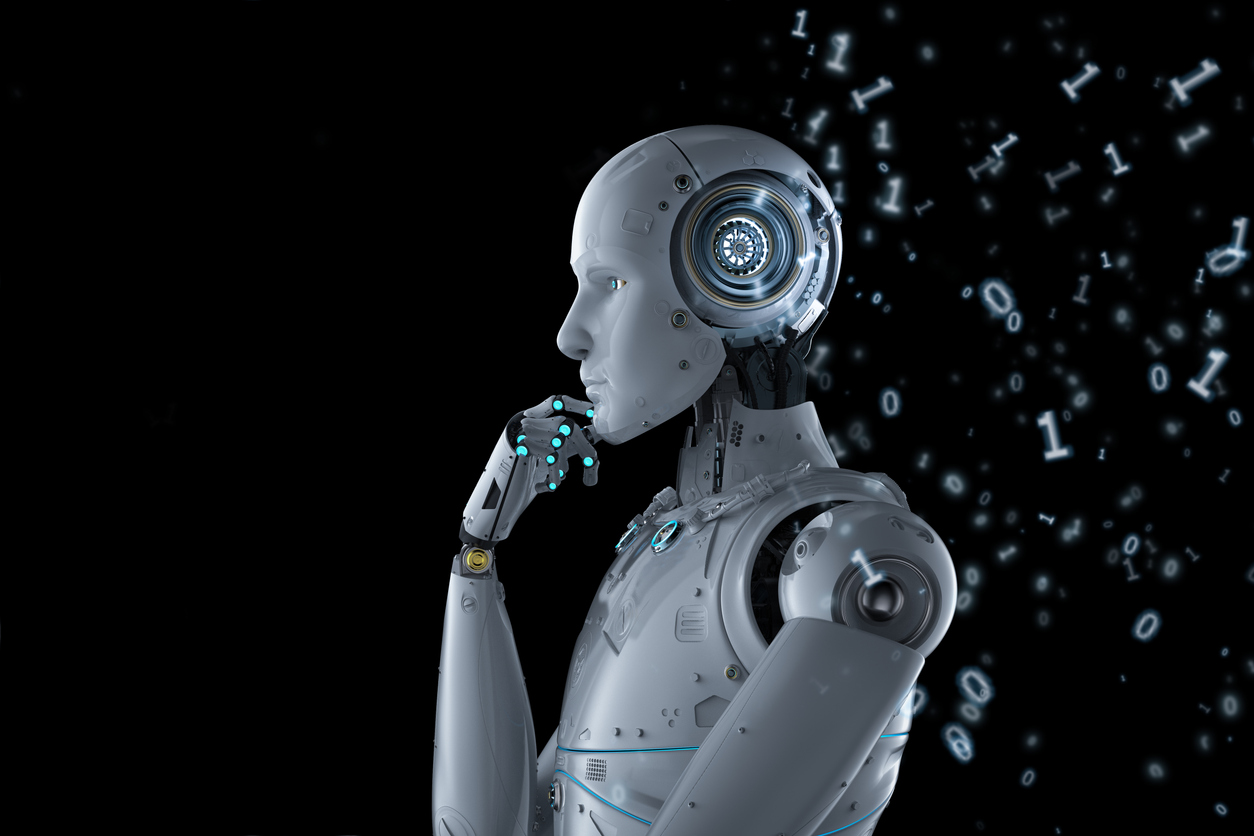
The Robotics Revolution: 2026 Trends Shaping the Future of Automation
In the ever-evolving landscape of technology, 2026 is proving to be a pivotal year for robotics. With the industrial robot market surging to an estimated US$16.7 billion, driven by advancements in AI-driven autonomy and the convergence of information technology (IT) and operational technology (OT), robots are no longer confined to assembly lines. They’re becoming versatile, intelligent companions in manufacturing, warehousing, and beyond. This analysis dives into the key trends, recent developments, and what they mean for industries worldwide, blending cutting-edge tech with real-world applications that could redefine efficiency and human-robot collaboration.
Physical AI: Bridging Digital Brains and Physical Brawn
At the heart of 2026’s robotics boom is Physical AI, a groundbreaking integration of generative AI and large language models (LLMs) into robotic systems. This isn’t just about robots following pre-programmed paths; it’s about enabling them to understand, adapt, and innovate in real time. For instance, smart inspection robots can now analyze defects in manufacturing lines using natural language processing to generate reports or suggest fixes autonomously. Automated supply chains benefit from robots that predict inventory needs via AI-driven forecasting, reducing downtime and errors.
China is leading the charge with ambitious plans for mass production of humanoid robots, aiming to deploy them in factories and homes by the end of the decade. Meanwhile, Hyundai is gearing up for a global rollout, focusing on robots that can navigate complex environments with minimal human intervention. These advancements stem from IT/OT convergence, where cloud-based AI meets on-the-ground machinery, allowing robots to handle versatile tasks like adaptive assembly or dynamic warehousing. For tech-savvy enthusiasts, this means robots equipped with edge AI cameras from companies like Econ Systems, which process visual data on-device for ultra-low latency responses—think sub-millisecond decision-making in high-speed production lines.
Humanoid Robots: From Automotive Assembly to Warehouse Warriors
Humanoid robotics is experiencing rapid expansion, with a focus on proving reliability in environments designed for humans. Starting in automotive sectors, where robots like Tesla’s Optimus V3 assist in precision tasks such as welding or part installation, the technology is extending to warehousing. Here, humanoids tackle challenges like picking irregular items from shelves, thanks to advanced grippers and AI that mimic human dexterity.
Logistics is seeing a “nearshoring” trend, where companies bring operations closer to home to mitigate post-COVID supply chain disruptions. Robots are supplementing human labor, not replacing it, by handling repetitive or hazardous jobs. For example, Corvvis Robotics’ drone inventory systems, partnered with brands like Dermalogica and Southern Glazers, use autonomous drones for stock checks, integrating with warehouse management software for seamless operations. This growth underscores a market trajectory that’s optimistic, with reports emphasizing scalability over workforce displacement concerns.
“As we integrate LLMs into humanoids, we’re not just building machines—we’re creating partners that learn from humans and evolve with them,” said Dr. Elena Vargas, a robotics engineer at Fauna Robotics, in a recent industry panel.
To break it down further, here’s a quick Q&A on humanoid trends:
What makes humanoid robots reliable in human spaces?
Their AI-driven autonomy allows them to navigate unstructured environments, using sensors to avoid obstacles and adapt to changes.
How is nearshoring influencing robotics adoption?
It encourages localized automation to reduce shipping delays, with robots filling labor gaps in regions like North America.
Are these robots affordable for small businesses?
Entry-level models are dropping in price, with mass production in China projected to cut costs by 30% by 2027.
March 2026 Highlights and the Road Ahead
March 2026 brought a flurry of exciting news, underscoring the sector’s momentum. Funding poured into AI training acceleration, boosting platforms like Venshin’s autonomous bin-picking system, which uses machine learning to sort and retrieve items from cluttered bins with 99% accuracy. Econ Systems unveiled edge AI cameras that enhance robot vision for tasks like quality control in heavy industry. Corvvis Robotics expanded drone partnerships, while Dexery announced its US hub in Nashville, focusing on scalable warehouse solutions. Kiwazo secured investments for heavy-duty robots in construction and mining, and in a blockbuster move, Amazon acquired Fauna Robotics to bolster its humanoid fleet for e-commerce fulfillment.
CES 2026 amplified the buzz, with Tesla revealing plans to mass-produce Optimus V3, featuring enhanced AI for multi-tasking in dynamic settings. Autonomous vehicle companies are pivoting into robotics, leveraging self-driving tech for mobile manipulators that could revolutionize delivery and elder care. These developments point to a market that’s not just growing but transforming—projected to integrate robots into everyday life without the dystopian fears of job loss, as emphasized in industry reports.
Looking ahead, the convergence of these trends suggests a future where Physical AI and humanoids become ubiquitous. Challenges remain, such as ethical AI governance and energy efficiency, but the potential for innovation is immense. For industries, this means boosted productivity; for consumers, smarter homes and services. As robotics evolves, 2026 marks the dawn of an era where machines don’t just work—they think, adapt, and collaborate.
(Word count: 812)












