
Galileo Ex2 vs MagicDog Y1
Galileo Technology vs MagicLab Robotics — specs, price, and data-backed comparison.
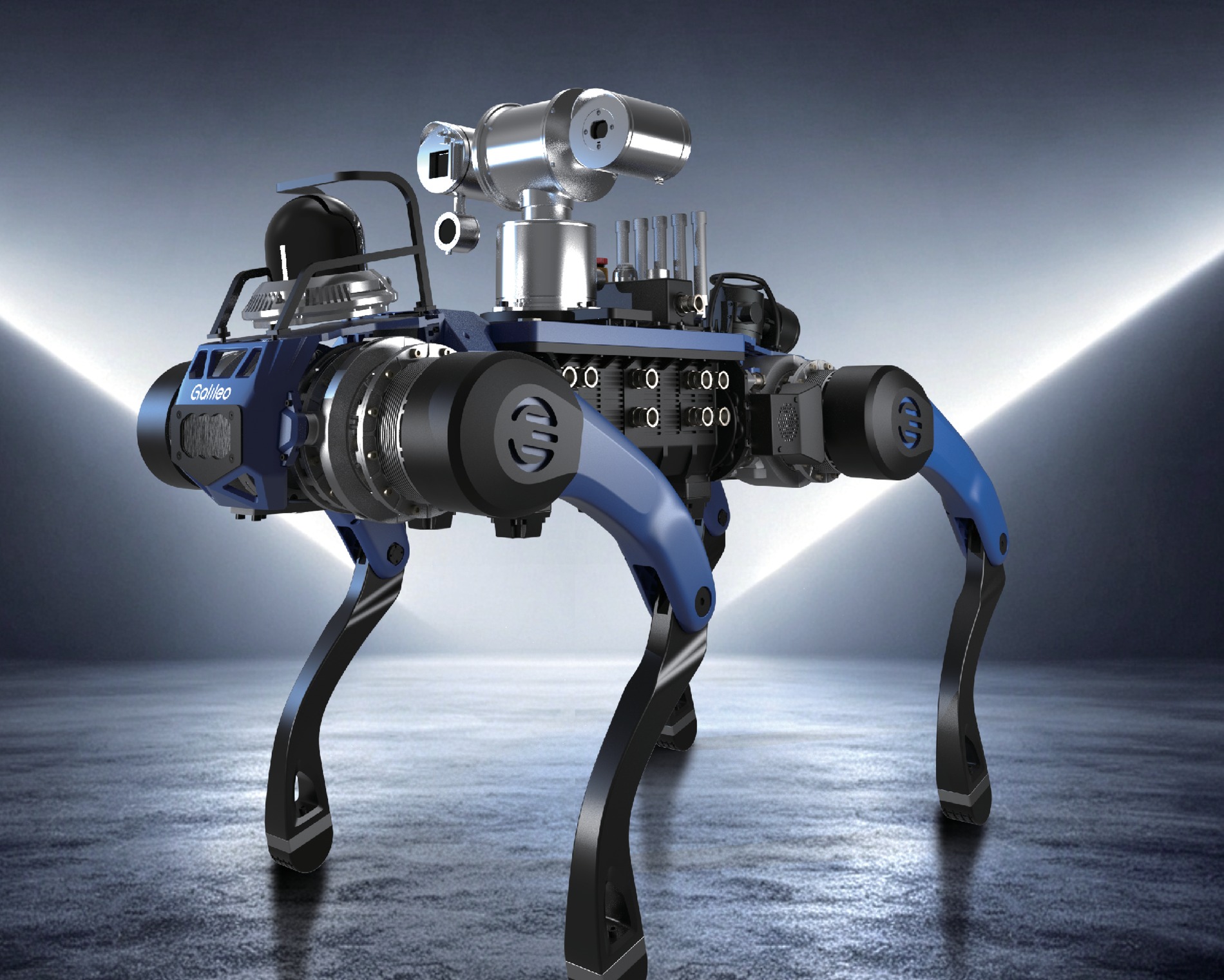
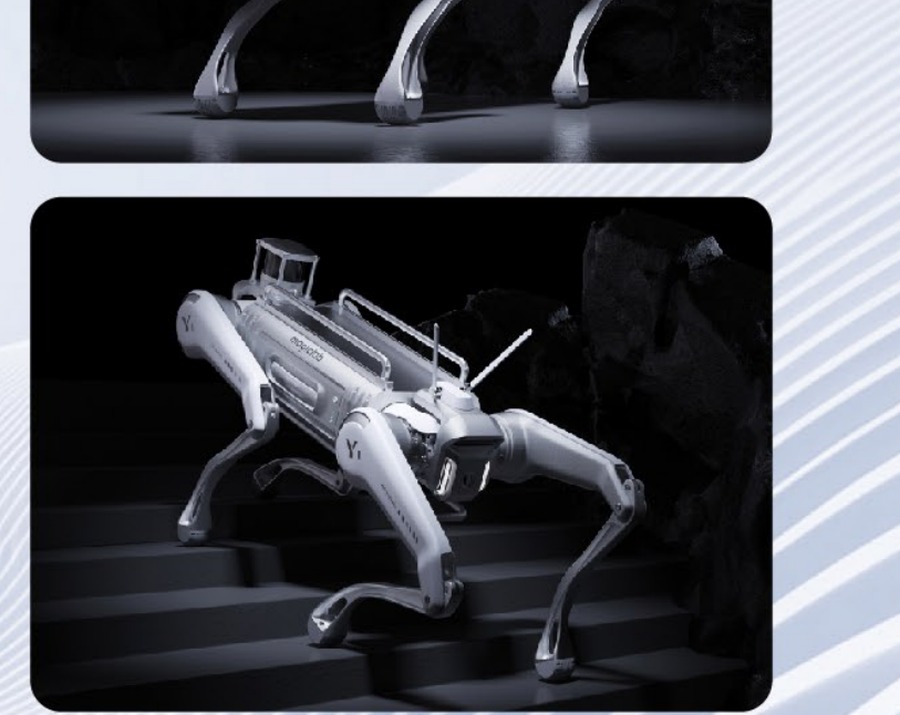
KURZFAZIT
- MagicDog Y1 offers the higher payload (150 kg vs 100 kg).
- MagicDog Y1 offers the faster top speed (21.6 km/h vs 5.4 km/h).
- Galileo Ex2 offers the longer runtime (420 min vs 240 min).
- MagicDog Y1 offers the lighter build (70 kg vs 120 kg).
TECHNISCHE DATEN IM VERGLEICH
| Galileo Ex2 | MagicDog Y1 | |
|---|---|---|
| Hersteller | Galileo Technology | MagicLab Robotics |
| Kategorie | Industrial-Robot | Industrial-Robot |
| Preis: | Nicht angekündigt | Nicht angekündigt |
| Gewicht | 120 kg | 70 kg |
| Traglast | 100 kg | 150 kg |
| Freiheitsgrade | 12 | 12 |
| Geschwindigkeit | 5.4 km/h | 21.6 km/h |
| Akkulaufzeit | 420 min | 240 min |
| Konnektivität | — | Wi-Fi 6, Bluetooth 5.2, optional 5G module |
| Software / KI | AI decision-making algorithms for real-time path planning, obstacle avoidance, target tracking and material transport; remote teleoperation | Centimetre-level positioning with dynamic obstacle avoidance; one-click dispatch integration on a plug-and-play open platform |
Kaufberater und Preise
HÄUFIG GESTELLTE FRAGEN
What is the difference between the Galileo Ex2 and the MagicDog Y1?
Galileo Ex2 is made by Galileo Technology, while MagicDog Y1 is made by MagicLab Robotics. Both are industrial-robots, so the differences come down to price and specifications.
Which has the higher payload, the Galileo Ex2 or the MagicDog Y1?
The MagicDog Y1 has the higher payload at 150 kg, compared to 100 kg for the Galileo Ex2.
Which is faster, the Galileo Ex2 or the MagicDog Y1?
The MagicDog Y1 has the higher top speed at 21.6 km/h, compared to 5.4 km/h for the Galileo Ex2.
Which has the longer battery life, the Galileo Ex2 or the MagicDog Y1?
The Galileo Ex2 has the higher runtime at about 420 minutes, compared to about 240 minutes for the MagicDog Y1.