
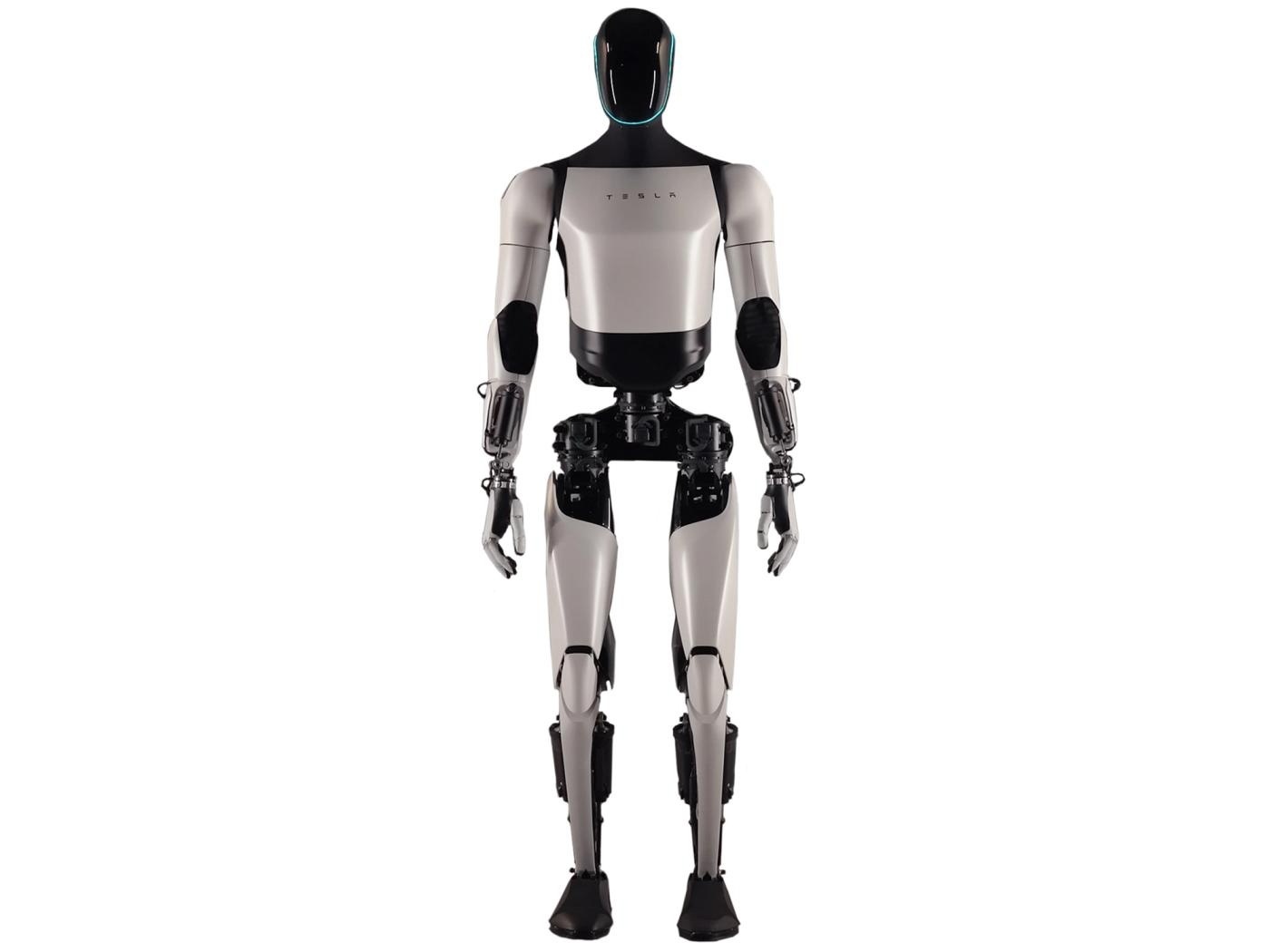
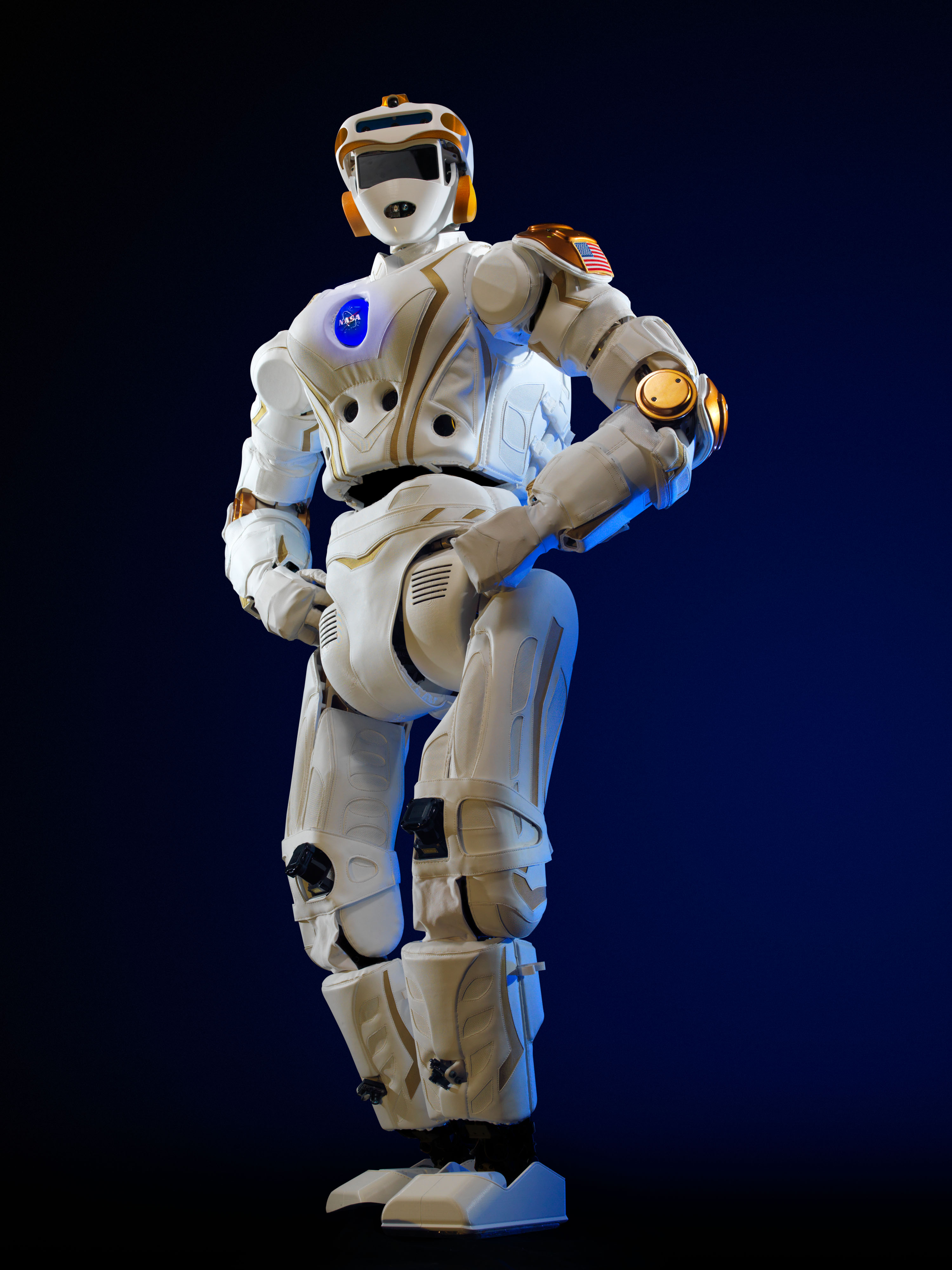
Tesla Optimus (Tesla Bot) vs Valkyrie
Tesla vs NASA Johnson Space Center — specs, price, and data-backed comparison.
QUICK TAKE
- Valkyrie offers the more degrees of freedom (44 vs 40).
SPECIFICATIONS COMPARED
| Tesla Optimus (Tesla Bot) | Valkyrie | |
|---|---|---|
| Company | Tesla | NASA Johnson Space Center |
| Category | Humanoid | Humanoid |
| Price: | Not announced | Not announced |
| Weight | 60 kg | ~125 kg |
| Degrees of Freedom | 40 | 44 |
| Battery Life | Approx. 8 hours of use on a single charge under typical workloads, roughly equivalent to a standard work shift in light duty tasks | ~1 hour operational testing |
| Charging Time | Approx. 1-2 hours for a full charge from low to full under typical conditions (not fully published) | — |
| Connectivity | Wi-Fi (likely Wi-Fi 5/6) and Bluetooth for local communication. Possible Ethernet connectivity for wired connection options. Cloud integration for software updates, AI model improvements, and data handling. | Wireless teleoperation and onboard computing |
| Software / AI | Neural networks for perception & navigation Motion planning systems Speech/interaction AI (e.g., Grok AI for commands) | NASA robotics control systems and ROS integration |
Buying guides and prices
FREQUENTLY ASKED QUESTIONS
What is the difference between the Tesla Optimus (Tesla Bot) and the Valkyrie?
Tesla Optimus (Tesla Bot) is made by Tesla, while Valkyrie is made by NASA Johnson Space Center. Both are humanoids, so the differences come down to price and specifications.