
PARO vs Saros Z70
Intelligent System vs Roborock — specs, price, and data-backed comparison.

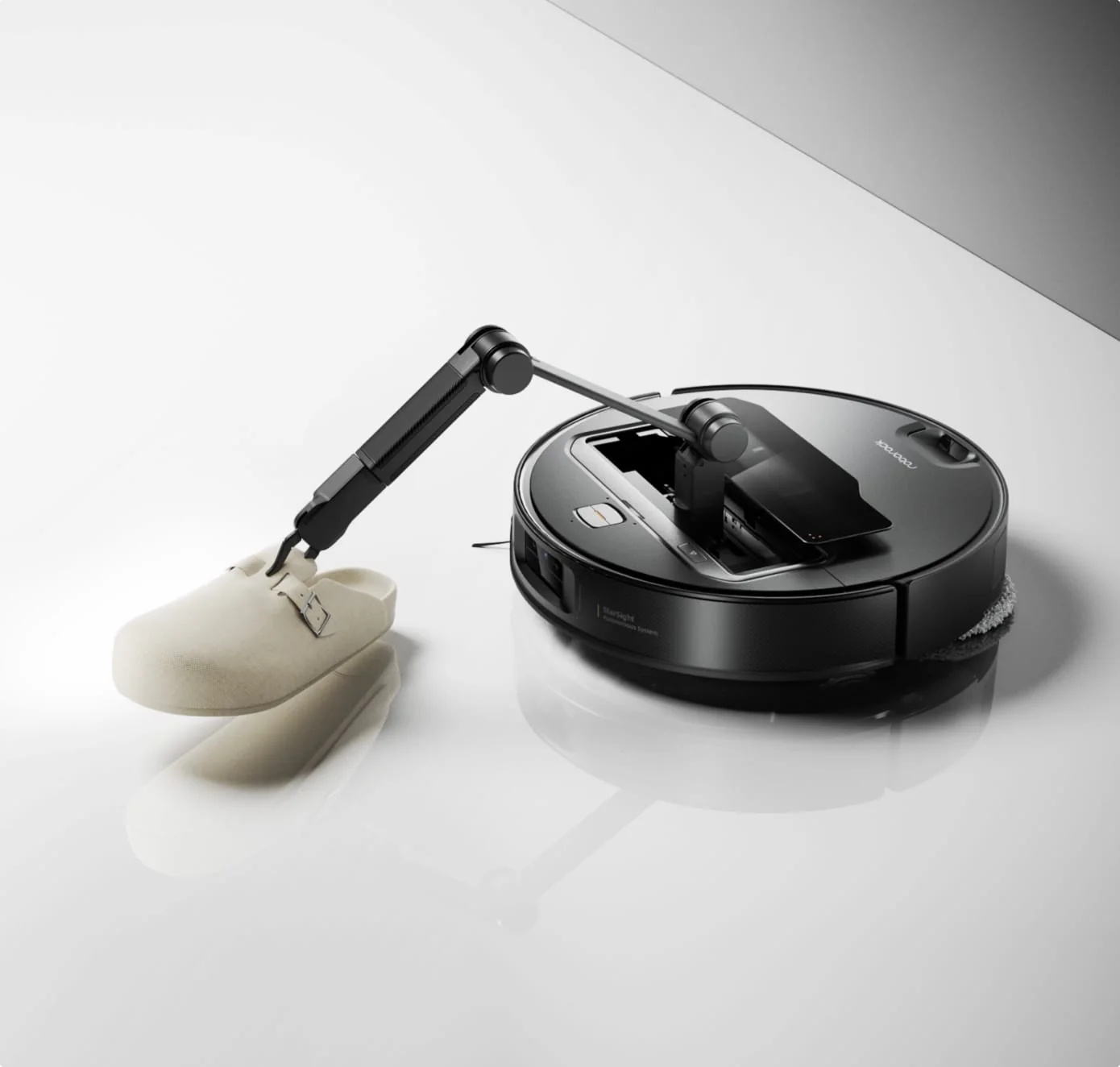
QUICK TAKE
- PARO offers the longer runtime (300 min vs 180 min).
- PARO offers the lighter build (2.55 kg vs 16 kg).
- Saros Z70 is the newer platform (2,025 vs 2,003).
SPECIFICATIONS COMPARED
| PARO | Saros Z70 | |
|---|---|---|
| Company | Intelligent System | Roborock |
| Category | Ground | Ground |
| Price: | ¥423,500–¥495,000 | Not announced |
| Released: | 2003 | 2025 |
| Weight | 2.55 kg | 16 kg |
| Degrees of Freedom | — | 5 |
| Battery Life | 300 min | 180 min |
| Charging Time | — | Approx. 150 minutes |
| Connectivity | Standalone; optional connectivity for data logging | Wi-Fi 2.4 GHz; Roborock App; Amazon Alexa; Google Assistant |
| Software / AI | Behavioral interaction AI | Roborock App; StarSight Autonomous System 2.0; AI-powered obstacle recognition (108+ object types) |
Buying guides and prices
FREQUENTLY ASKED QUESTIONS
What is the difference between the PARO and the Saros Z70?
PARO is made by Intelligent System, while Saros Z70 is made by Roborock. Both are grounds, so the differences come down to price and specifications.
Which is cheaper, the PARO or the Saros Z70?
The PARO is listed at ¥423,500; pricing for the Saros Z70 has not been publicly announced.
Which has the longer battery life, the PARO or the Saros Z70?
The PARO has the higher runtime at about 300 minutes, compared to about 180 minutes for the Saros Z70.