
Kinova Gen3 robotic arm (7-axis) vs Unitree Dex5-1
Kinova vs Unitree Robotics — specs, price, and data-backed comparison.
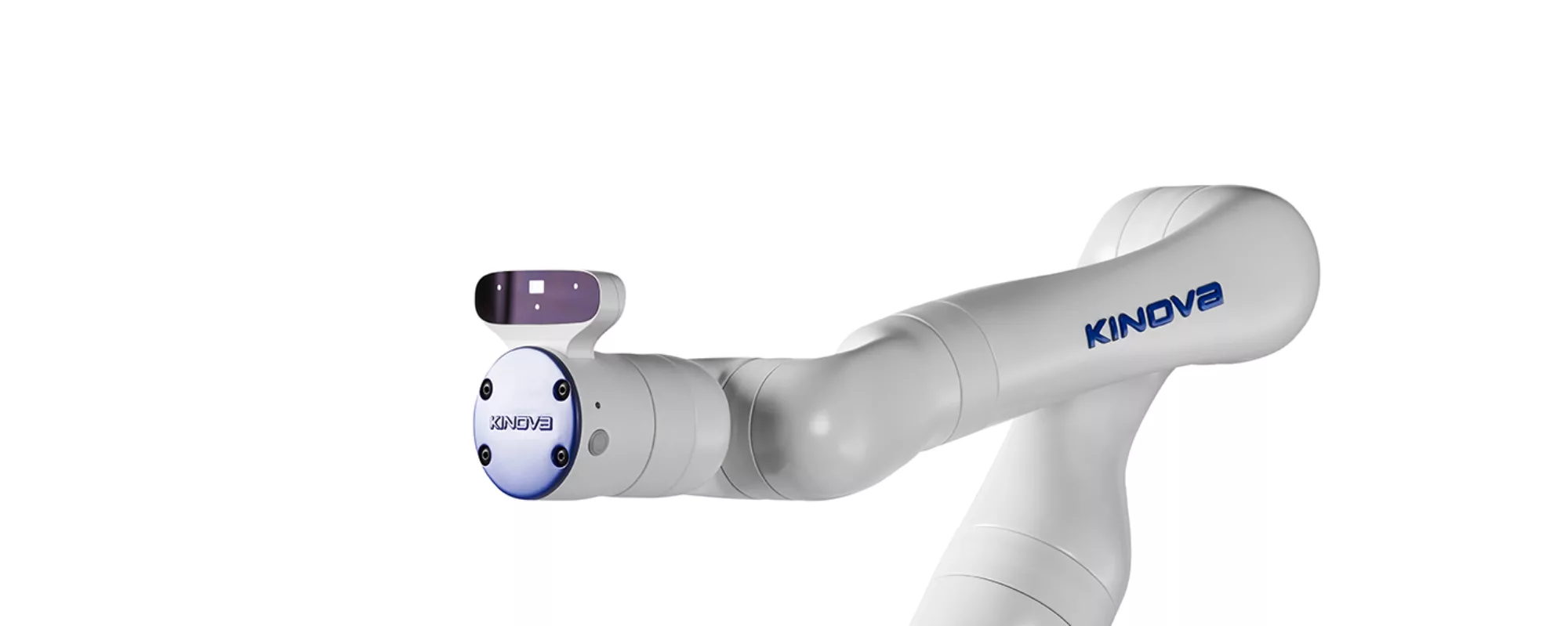
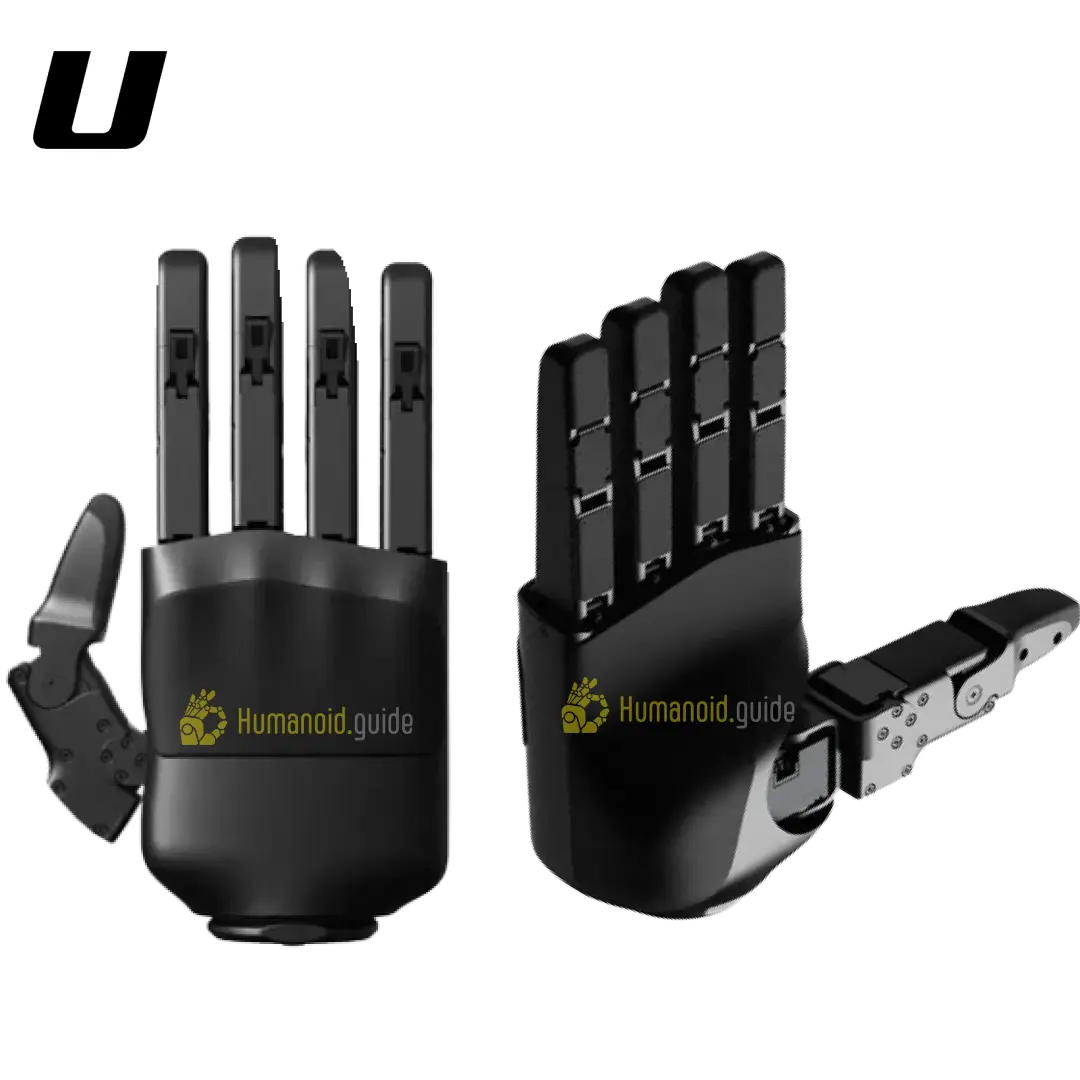
QUICK TAKE
- Unitree Dex5-1 offers the more degrees of freedom (20 vs 7).
- Unitree Dex5-1 is the newer platform (2,025 vs 2,019).
SPECIFICATIONS COMPARED
| Kinova Gen3 robotic arm (7-axis) | Unitree Dex5-1 | |
|---|---|---|
| Company | Kinova | Unitree Robotics |
| Category | Robotic-Arms | Robotic-Arms |
| Price: | Not announced | Not announced |
| Released: | 2019 | 2025 |
| Weight | 8.2 kg | 1.0 kg |
| Payload | 4 kg | — |
| Reach | 902 mm | — |
| Degrees of Freedom | 7 | 20 |
| Speed | 1.8 km/h | — |
| Software / AI | — | proprietary hand control firmware/SDK, ROS/ROS 2 compatible, supports RL-based tactile manipulation algorithms |
Buying guides and prices
FREQUENTLY ASKED QUESTIONS
What is the difference between the Kinova Gen3 robotic arm (7-axis) and the Unitree Dex5-1?
Kinova Gen3 robotic arm (7-axis) is made by Kinova, while Unitree Dex5-1 is made by Unitree Robotics. Both are robotic-armss, so the differences come down to price and specifications.