
Kikobot DI Series vs KR 6 R900-2
Kikobot vs KUKA — specs, price, and data-backed comparison.
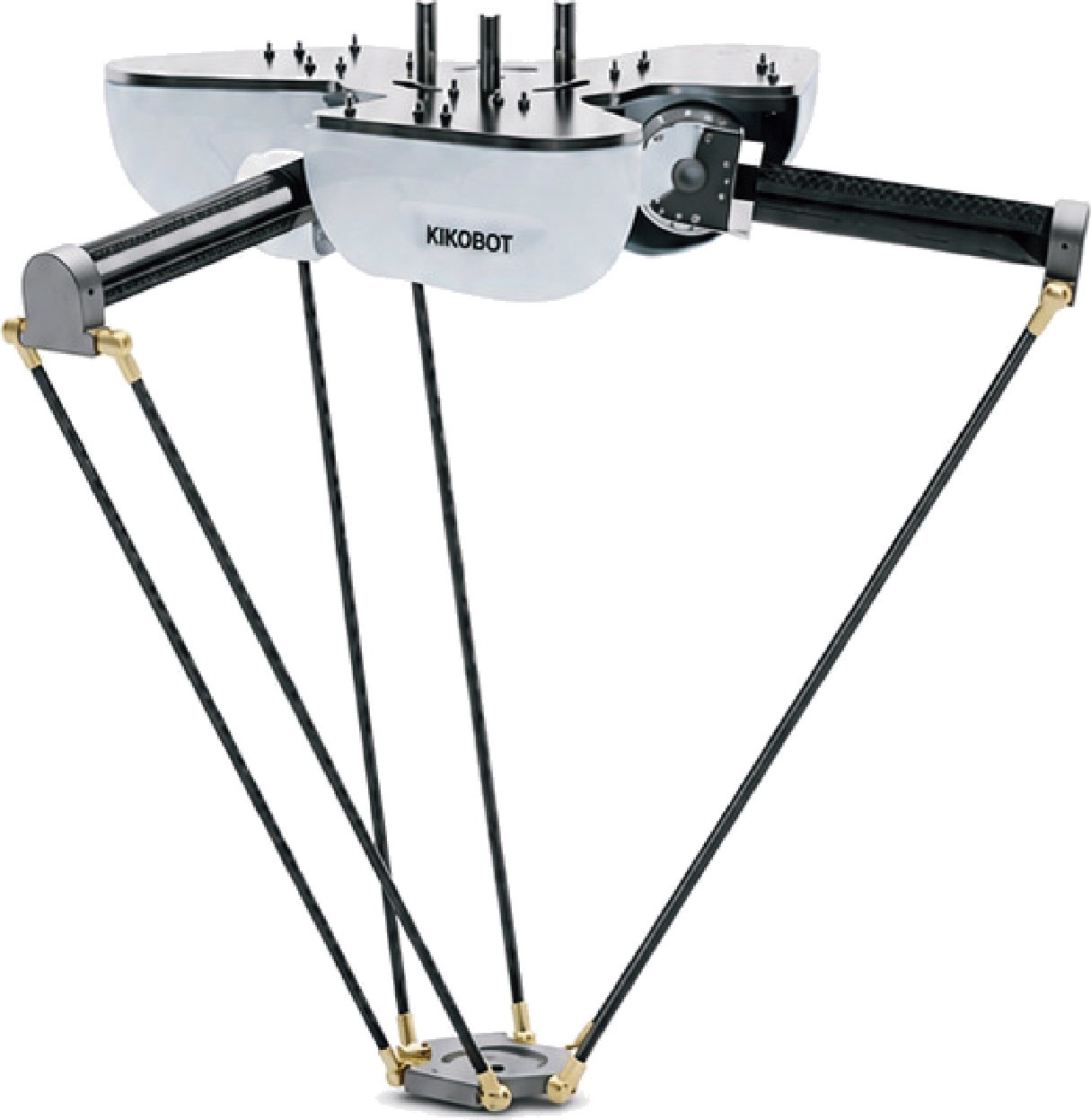
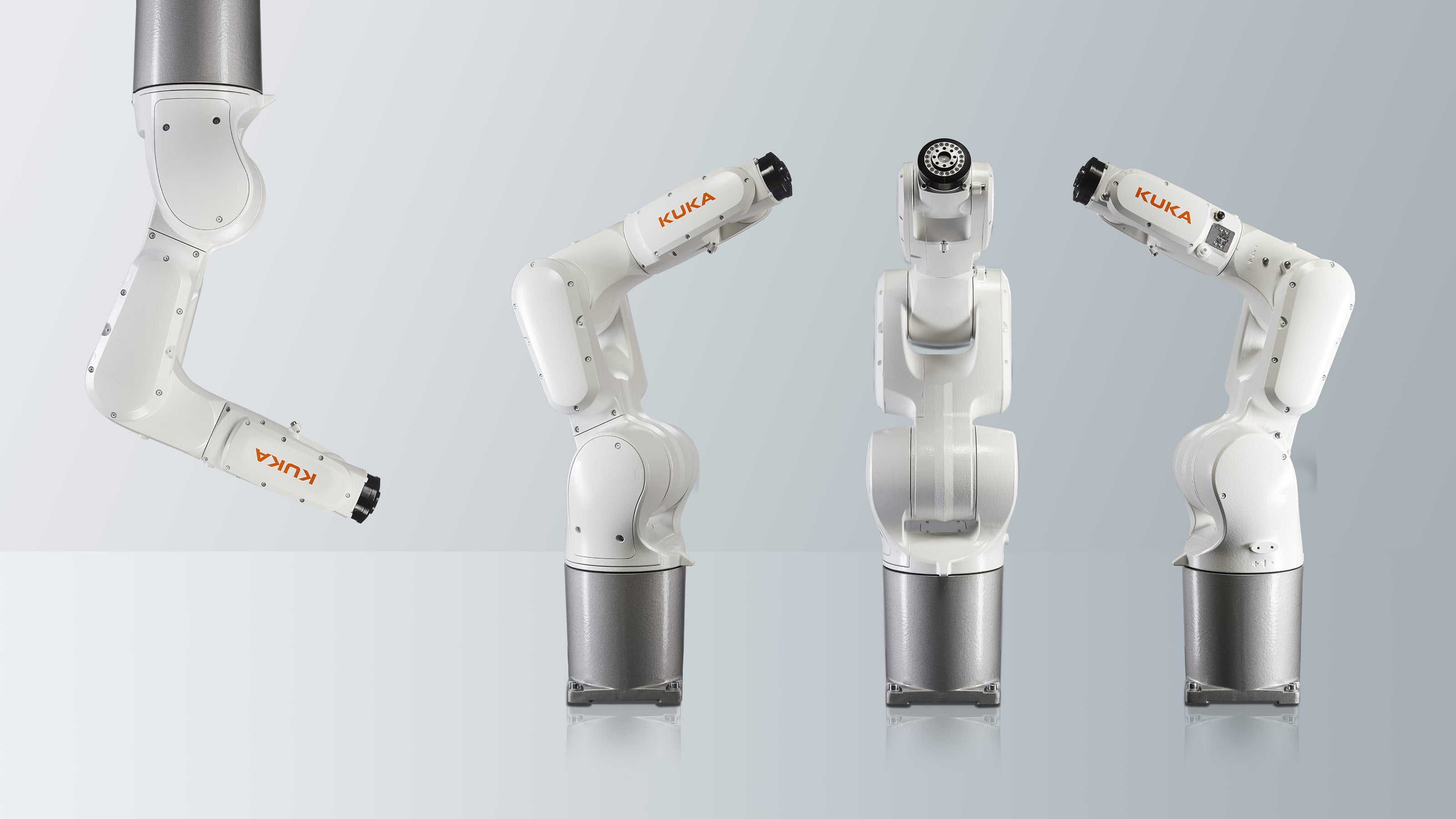
QUICK TAKE
- KR 6 R900-2 offers the higher payload (6 kg vs 2 kg).
- KR 6 R900-2 offers the more degrees of freedom (6 vs 3).
- Kikobot DI Series offers the lighter build (20 kg vs 52 kg).
SPECIFICATIONS COMPARED
| Kikobot DI Series | KR 6 R900-2 | |
|---|---|---|
| Company | Kikobot | KUKA |
| Category | Delta-Robot | Industrial-Robot |
| Price: | Not announced | Not announced |
| Released: | — | 2016 |
| Weight | 20 kg | 52 kg |
| Payload | 2 kg | 6 kg |
| Reach | — | 901 mm |
| Degrees of Freedom | 3 | 6 |
| Battery Life | — | 24 hours |
| Connectivity | EtherCAT; 16 DI / 16 DO | — |
| Software / AI | Kikobot Delta Studio (visual programming, simulation, conveyor tracking) | — |
Buying guides and prices
FREQUENTLY ASKED QUESTIONS
What is the difference between the Kikobot DI Series and the KR 6 R900-2?
Kikobot DI Series is made by Kikobot, while KR 6 R900-2 is made by KUKA. Kikobot DI Series is a delta-robot, while KR 6 R900-2 is a industrial-robot.
Which has the higher payload, the Kikobot DI Series or the KR 6 R900-2?
The KR 6 R900-2 has the higher payload at 6 kg, compared to 2 kg for the Kikobot DI Series.