
ASYSTR 3C vs Perceptyne PR-UNO
Systemantics vs Perceptyne — specs, price, and data-backed comparison.
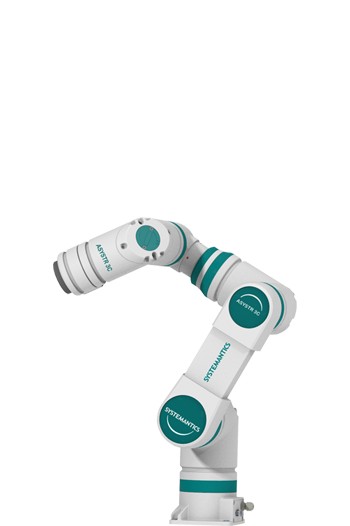
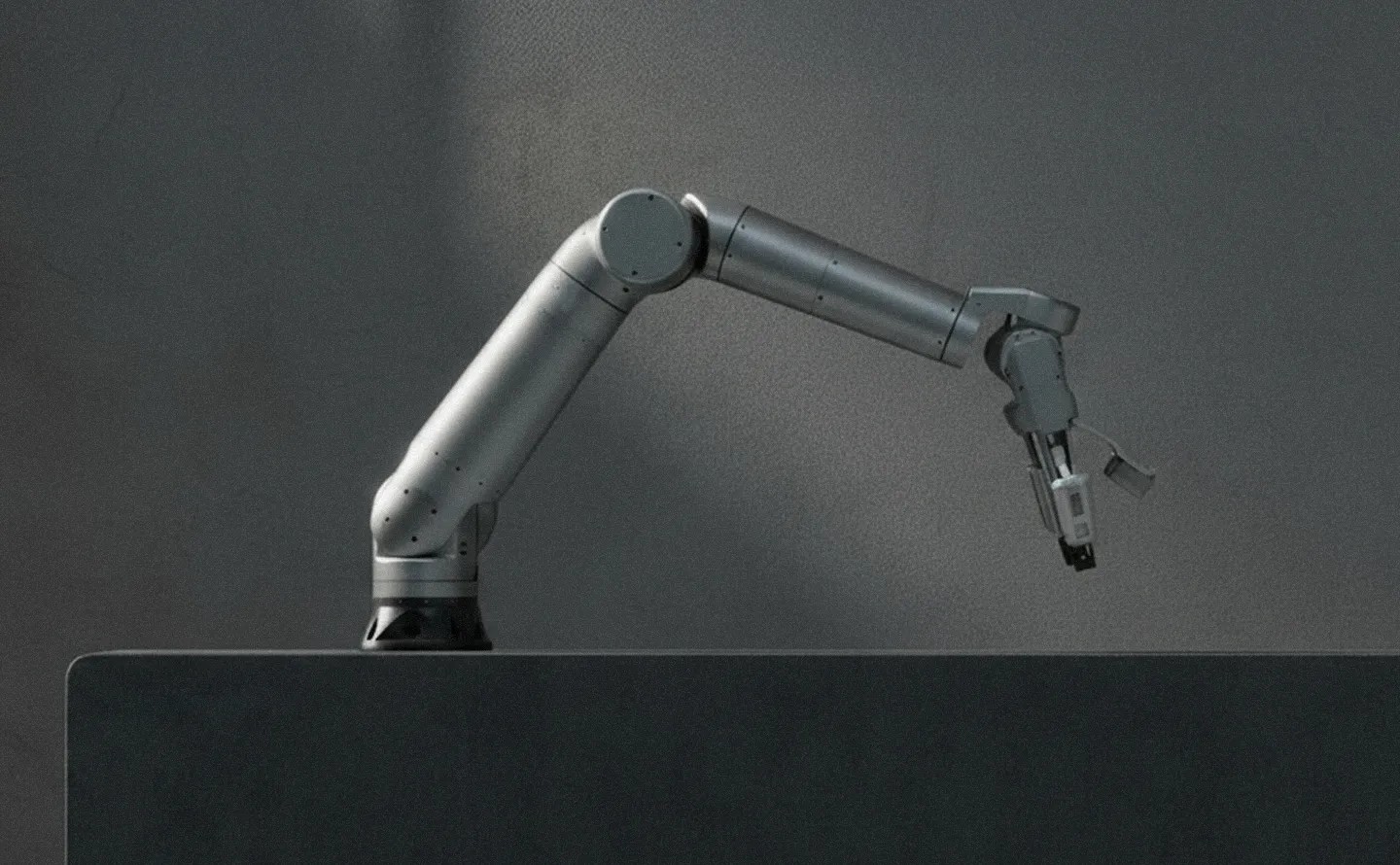
QUICK TAKE
- Perceptyne PR-UNO offers the higher payload (5 kg vs 3 kg).
- Perceptyne PR-UNO offers the longer reach (800 mm vs 600 mm).
- Perceptyne PR-UNO offers the more degrees of freedom (7 vs 6).
SPECIFICATIONS COMPARED
| ASYSTR 3C | Perceptyne PR-UNO | |
|---|---|---|
| Company | Systemantics | Perceptyne |
| Category | Collaborative-Robot | Collaborative-Robot |
| Price: | Not announced | Not announced |
| Weight | — | 18.5 kg |
| Payload | 3 kg | 5 kg |
| Reach | 600 mm | 800 mm |
| Degrees of Freedom | 6 | 7 |
| Connectivity | Additional digital I/O | — |
| Software / AI | Linux-based controller, ROS 2 compatible, Android tablet programming app | Native Physical Intelligence (PhI) layer; runs open-source models; VR teleoperation (Pico4) |
Buying guides and prices
FREQUENTLY ASKED QUESTIONS
What is the difference between the ASYSTR 3C and the Perceptyne PR-UNO?
ASYSTR 3C is made by Systemantics, while Perceptyne PR-UNO is made by Perceptyne. Both are collaborative-robots, so the differences come down to price and specifications.
Which has the higher payload, the ASYSTR 3C or the Perceptyne PR-UNO?
The Perceptyne PR-UNO has the higher payload at 5 kg, compared to 3 kg for the ASYSTR 3C.