
ROBOT APPLICATIONS
Part of the Palletizing Robots buying guide
Palletize finished goods at the end of the line
Stacking finished cases into a stable pallet pattern at the end of a line. Case weight, rate and final pallet height decide between a cobot and a heavy industrial arm.
End-of-line palletizing is often the first robot cell a packaging line gets. Cases arrive one at a time on a conveyor and the robot builds them into a pallet pattern that survives wrapping and transport, taking over some of the heaviest repetitive lifting in the plant across two or three shifts.
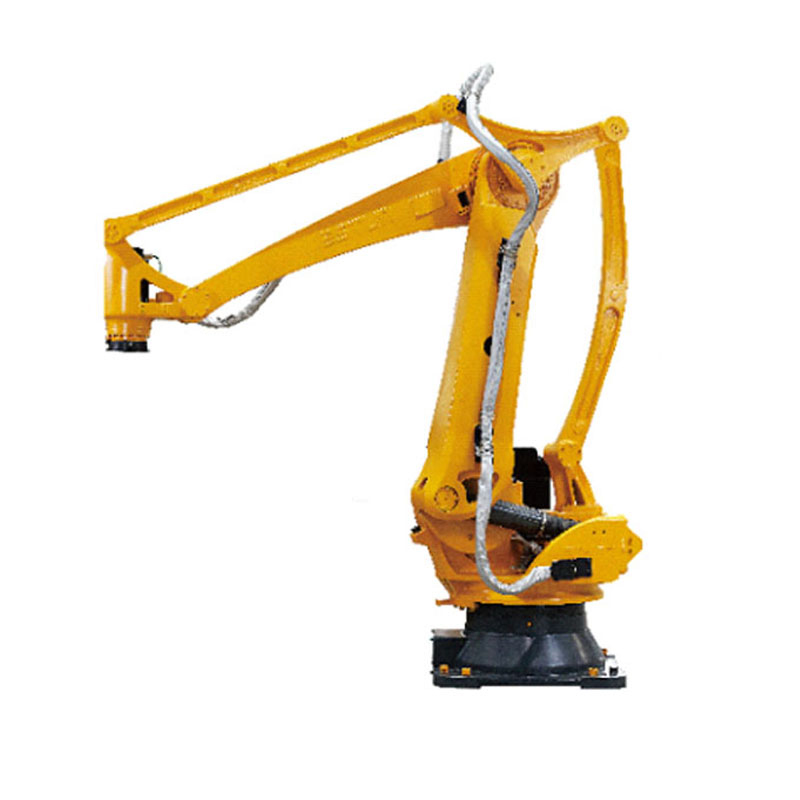
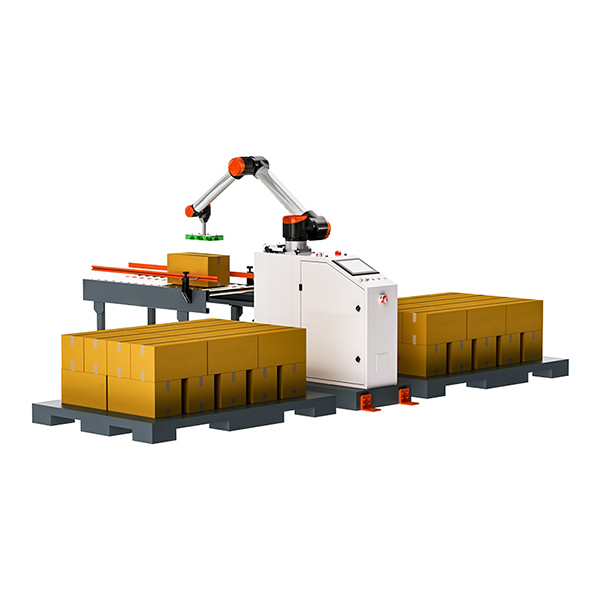
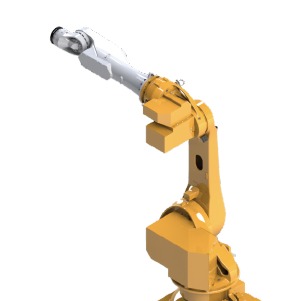
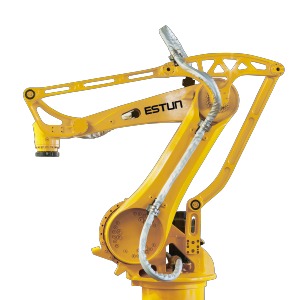
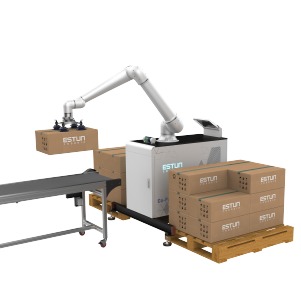
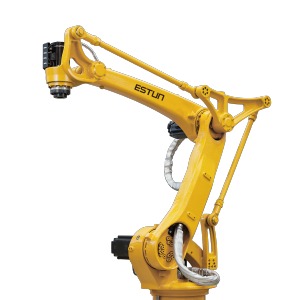
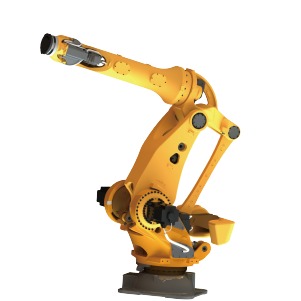
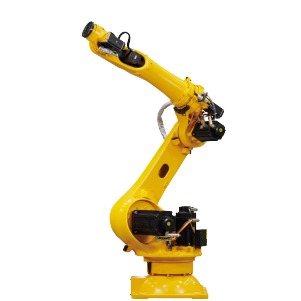
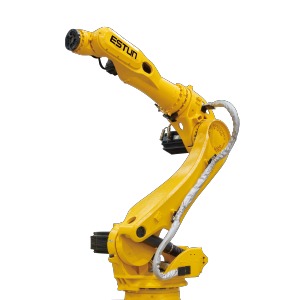
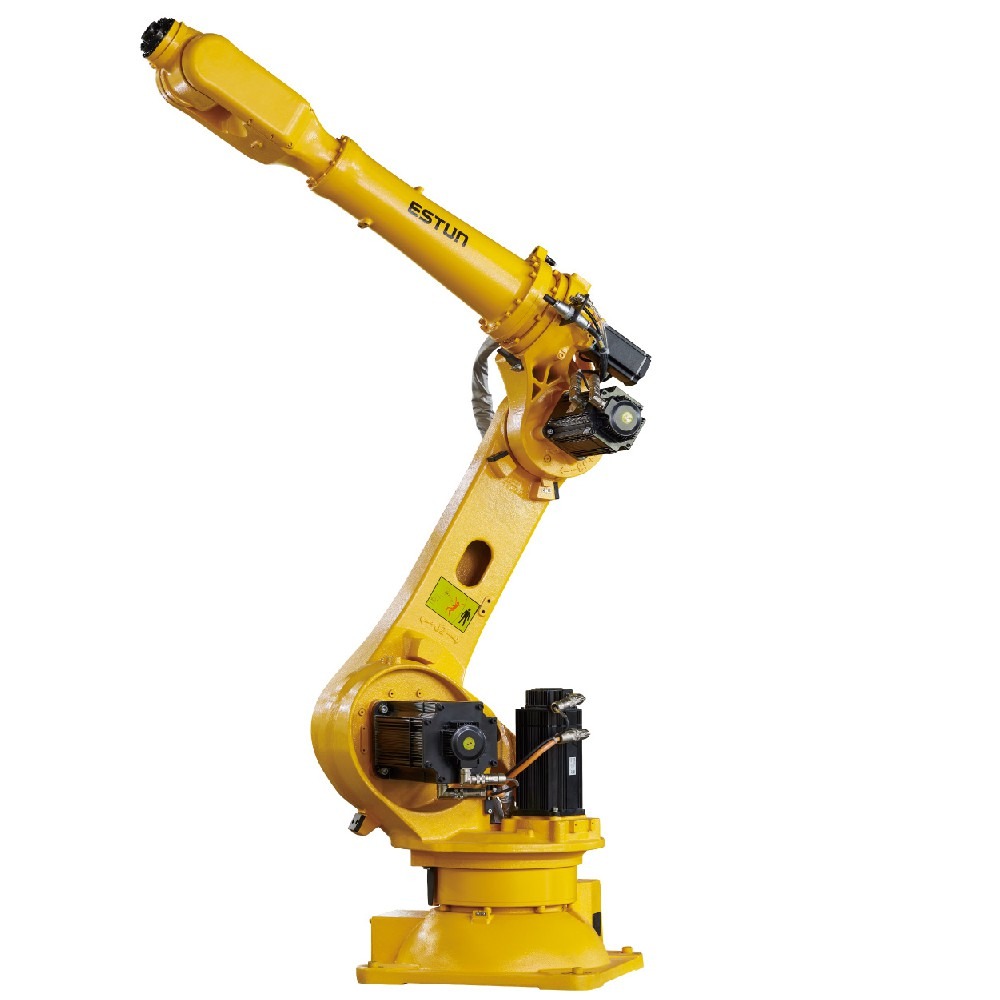
Heavier and faster lines use a 4-axis palletizing arm or a 6-axis industrial arm behind guarding; lighter cases at moderate rates suit a cobot, where area scanners can replace much of the fencing. The pattern software, the gripper and the safety layout around the pallet stations matter as much as the arm.
411 robots in our catalog do this job, mostly in manufacturing.
Typical deployments
- Cases from a single-SKU packing line onto one or two pallet stations
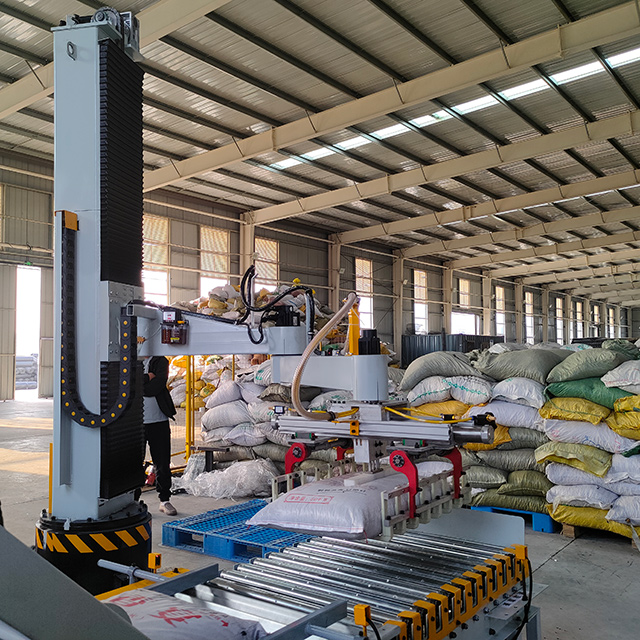
- Bags of powder, feed or cement, where clamp or fork grippers replace vacuum
- Shrink-wrapped trays and bundles in food and beverage plants
What to look for
- Payload with the gripper
- The rated payload has to carry the case plus the gripper, and two cases if the cell picks in pairs to reach the line rate. Check the payload at the reach you need, not the headline figure.
- Reach and stack height
- The arm must reach the far corner of the pallet at full stack height, with room for slip sheets and a second pallet station so the line keeps running while a full pallet is swapped.
- Rate and pattern changes
- Cases per minute set the arm class. A pattern editor that lets operators add a new case size or pattern without a programmer decides how well the cell copes with product changes.
Compare the leading models
The most completely documented of the 411 robots tagged to this application, at most two per maker. Figures are the manufacturer's; blanks mean not published.
| Model | Maker | Payload | Reach | Axes | Price |
|---|---|---|---|---|---|
| Benson-GJ-700 | Benson Intelligent Equipment (Shandong) Co., Ltd. | 130 kg | 4 | Not announced | |
| Benson Collaborative Palletizing Workstation | Benson Intelligent Equipment (Shandong) Co., Ltd. | 20 kg | 6 | Not announced | |
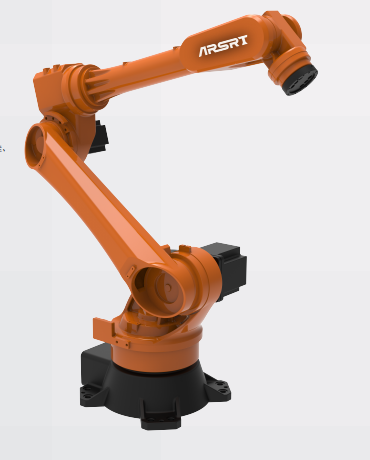
| Yooheart ARS1050A-200B | Yooheart | 50 kg | 2000 mm | 6 | Not announced |
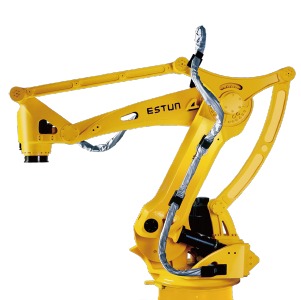
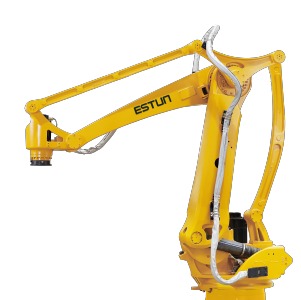
| ER420-3300 | Estun Automation | 420 kg | 3300 mm | 6 | Not announced |
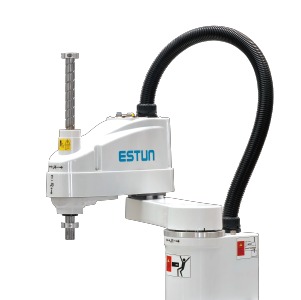
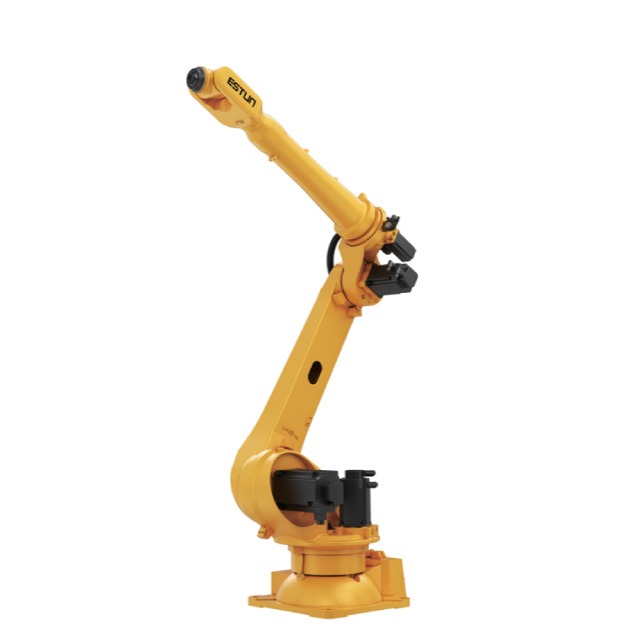
| ER20-2300-HI | Estun Automation | 20 kg | 2303 mm | 6 | Not announced |
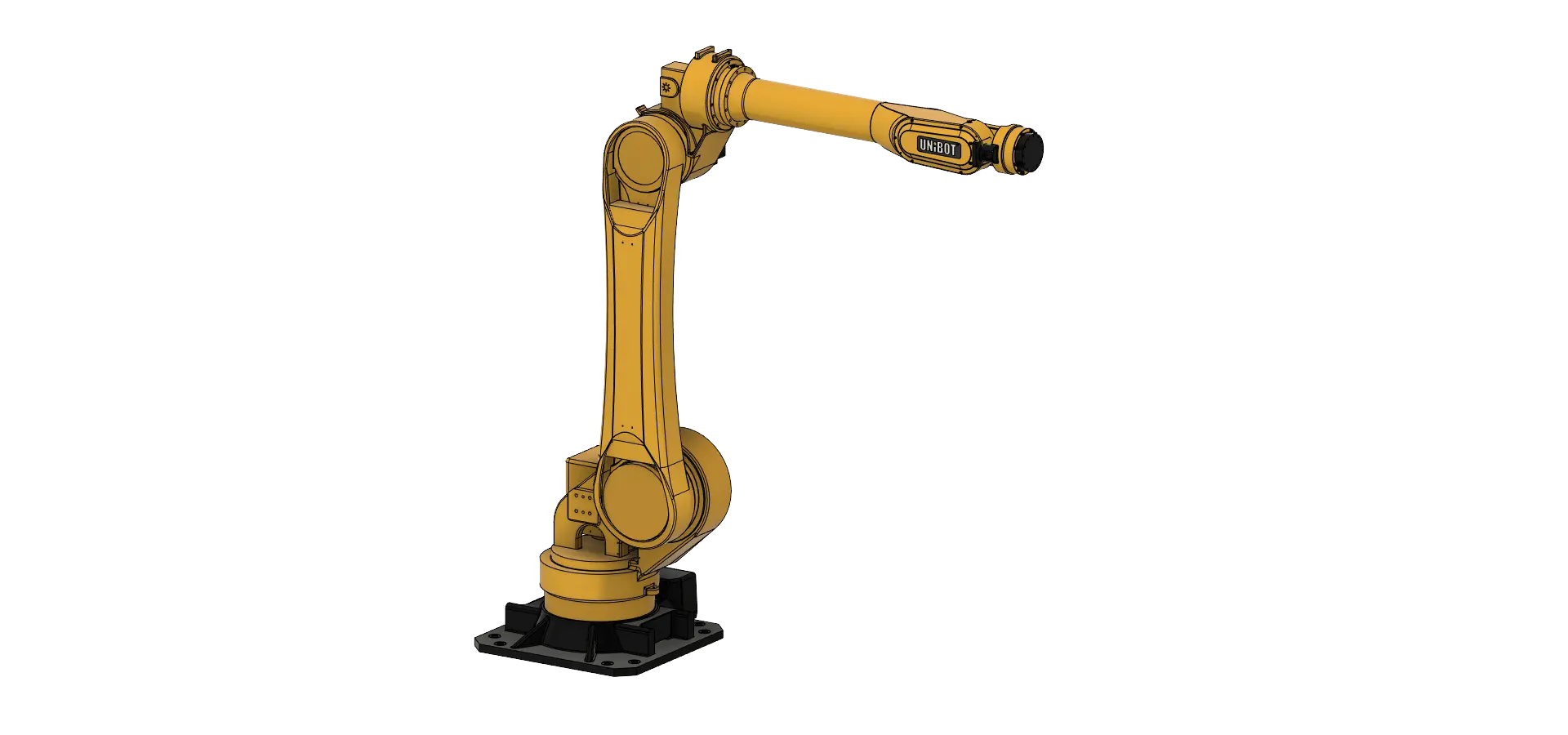
| UniBot iR20-50-200 | Unical Robot | 50 kg | 2000 mm | Not announced |
ROBOTS FOR THIS APPLICATION
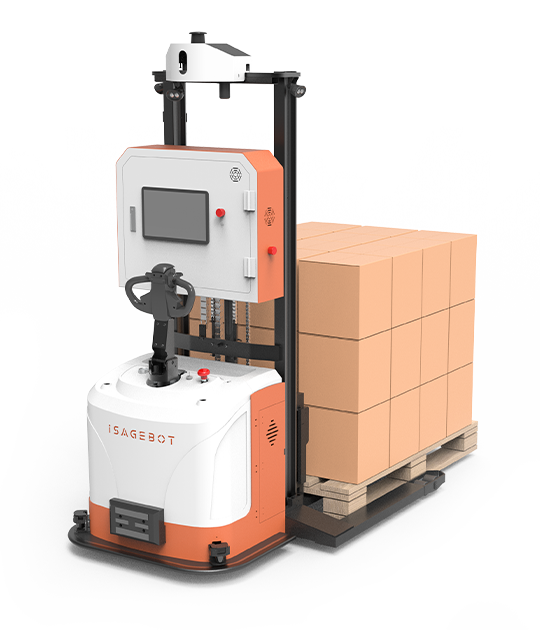
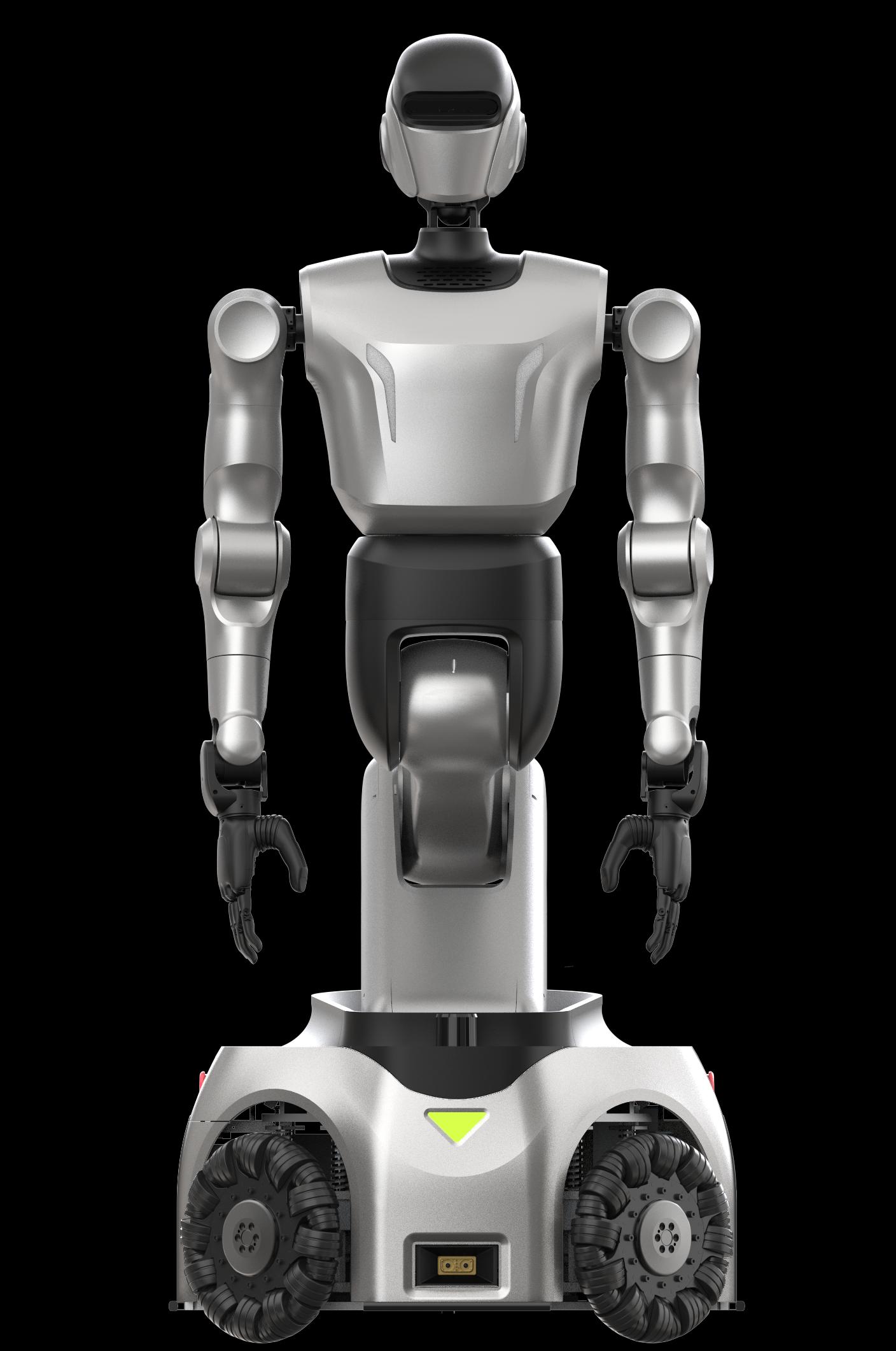
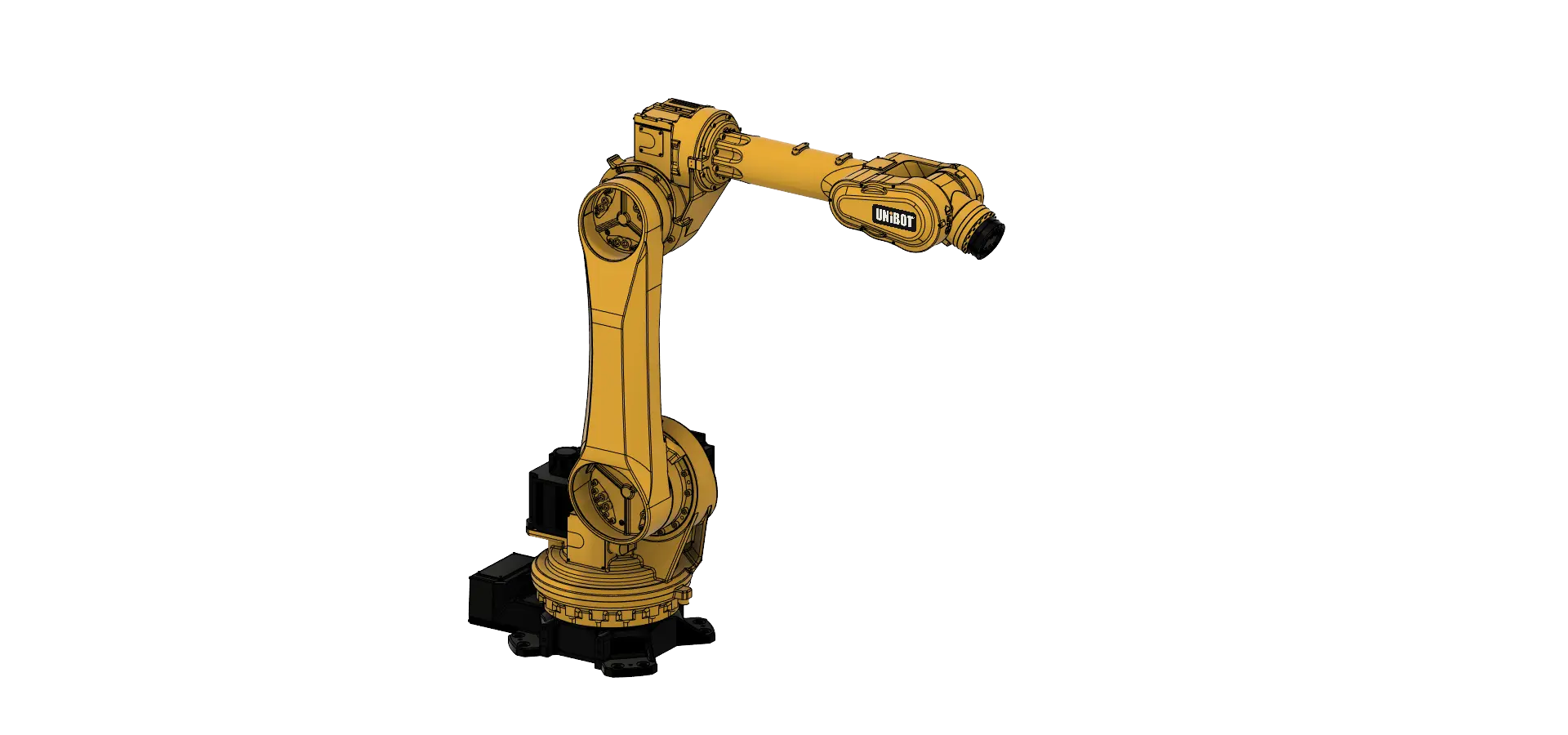
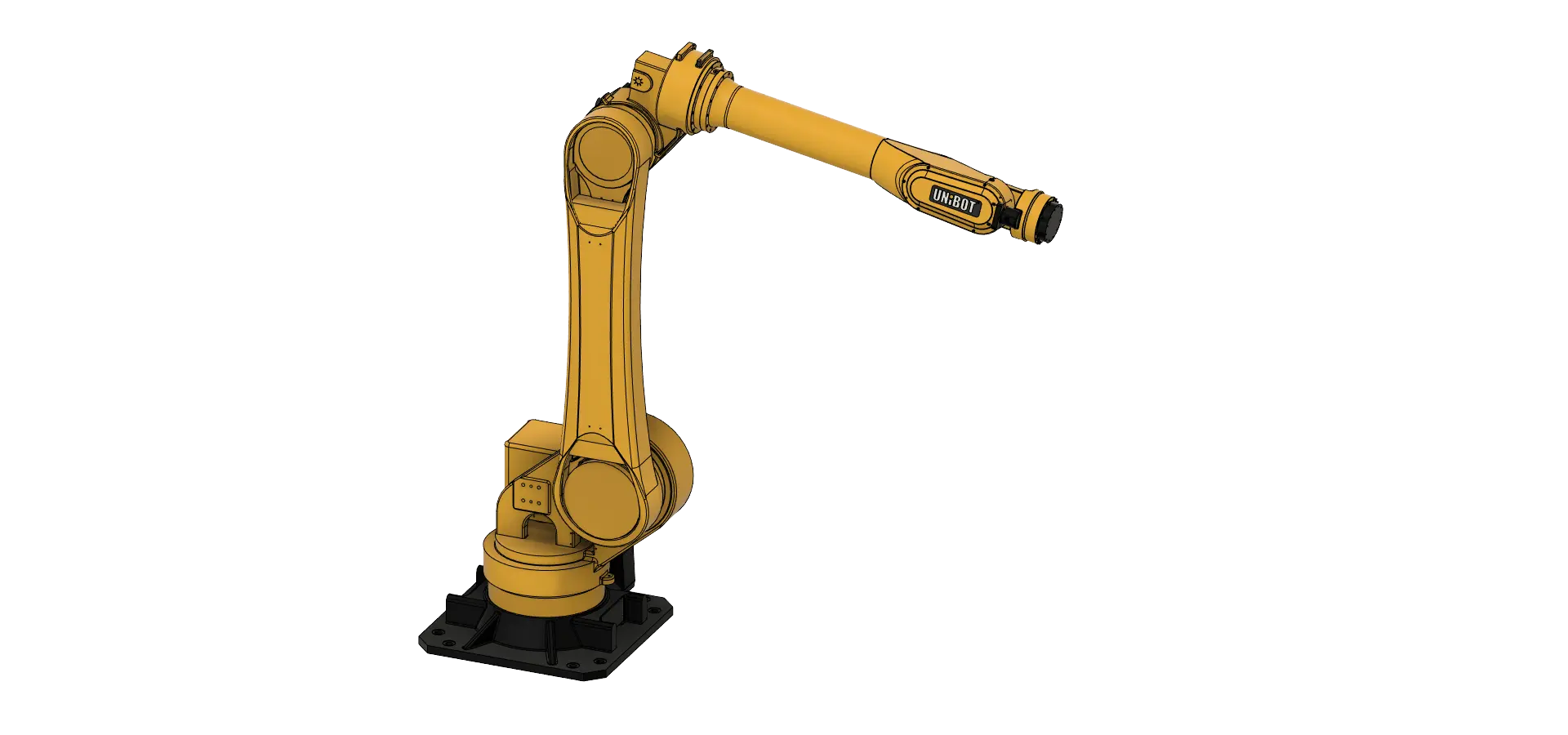
FREQUENTLY ASKED QUESTIONS
What robots are used for end-of-line palletizing?
Palletize finished goods at the end of the line — our catalog lists 411 robots tagged to this job. It comes up most in manufacturing.
Which end-of-line palletizing robots should I look at first?
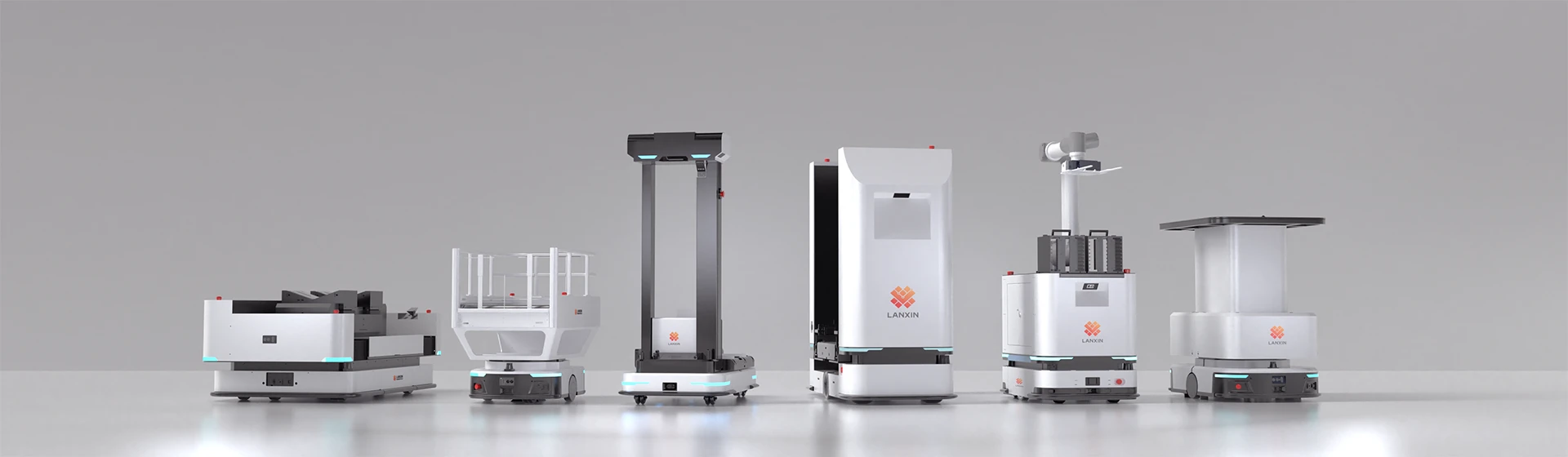
Benson-GJ-700, Benson Collaborative Palletizing Workstation, BENS120-2400, Lanxin VMR-FR4800P, and iSAGEBOT Forklift Robot are among the models tagged to this job. Every listing shows verified specifications, and pricing where the manufacturer publishes it.
What type of robot handles end-of-line palletizing?
This job maps to palletizing. Filter the catalog by that capability to narrow the 411 matching models.
How much does a robot for end-of-line palletizing cost?
Pricing depends on payload, reach and cell integration, and most manufacturers quote per deployment rather than publishing a list price. Where a price is published and verified we show it on the robot's page; otherwise use Enquire to request a quote.
Tracking End-of-Line Palletizing robots?
Create a free account to shortlist the models that fit your floor, compare them side by side, and send one enquiry to several makers at once.
Free. Shortlist robots, save comparisons, and request pricing from makers in one place.