
Apollo vs Galileo S1
MirrorMe Technology vs Galileo Technology — specs, price, and data-backed comparison.
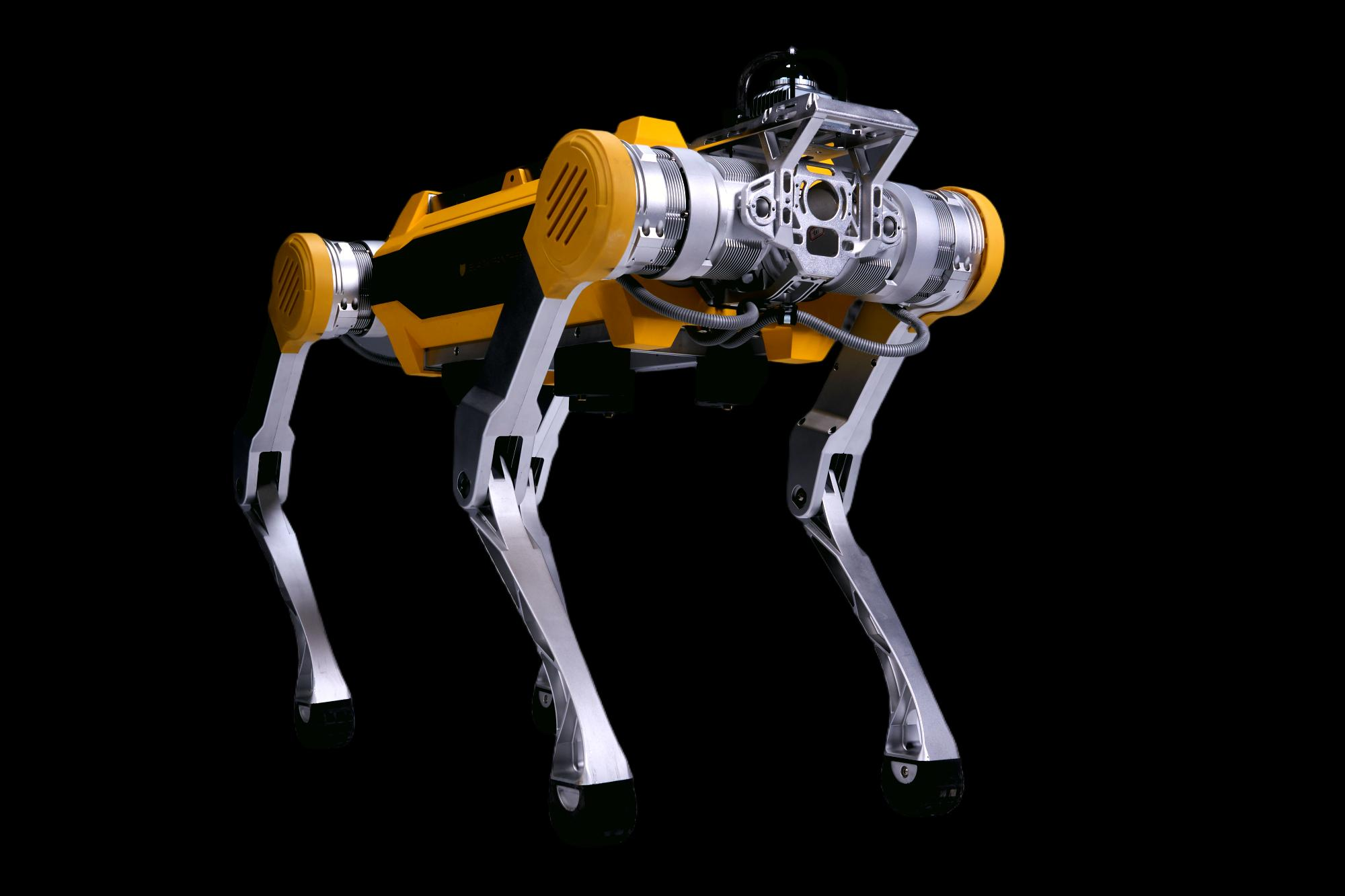
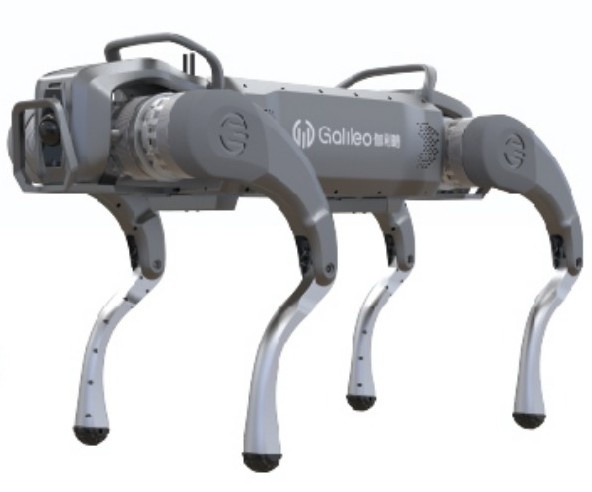
快速總結
- Galileo S1 offers the higher payload (100 kg vs 50 kg).
- Apollo offers the faster top speed (18 km/h vs 12.6 km/h).
- Apollo offers the longer runtime (360 min vs 210 min).
- Galileo S1 offers the larger battery (3.54 kWh vs 2.31 kWh).
- Apollo offers the lighter build (65 kg vs 118 kg).
規格對比
| Apollo | Galileo S1 | |
|---|---|---|
| 公司 | MirrorMe Technology | Galileo Technology |
| 類別 | Industrial-Robot | Industrial-Robot |
| 價格: | 尚未公布 | 尚未公布 |
| 重量 | 65 kg | 118 kg |
| 負載 | 50 kg | 100 kg |
| 自由度 | 12 | — |
| 速度 | 18 km/h | 12.6 km/h |
| 續航時間 | 360 min | 210 min |
| 連線方式 | — | WiFi 6, optional 4G and 5G; Ethernet, USB and RS485 external interfaces |
| 軟體 / AI | — | Autonomous navigation and obstacle avoidance with multi-sensor fusion |
常見問題
What is the difference between the Apollo and the Galileo S1?
Apollo is made by MirrorMe Technology, while Galileo S1 is made by Galileo Technology. Both are industrial-robots, so the differences come down to price and specifications.
Which has the higher payload, the Apollo or the Galileo S1?
The Galileo S1 has the higher payload at 100 kg, compared to 50 kg for the Apollo.
Which is faster, the Apollo or the Galileo S1?
The Apollo has the higher top speed at 18 km/h, compared to 12.6 km/h for the Galileo S1.
Which has the longer battery life, the Apollo or the Galileo S1?
The Apollo has the higher runtime at about 360 minutes, compared to about 210 minutes for the Galileo S1.