
Apollo vs Galileo E1-W
MirrorMe Technology vs Galileo Technology — specs, price, and data-backed comparison.
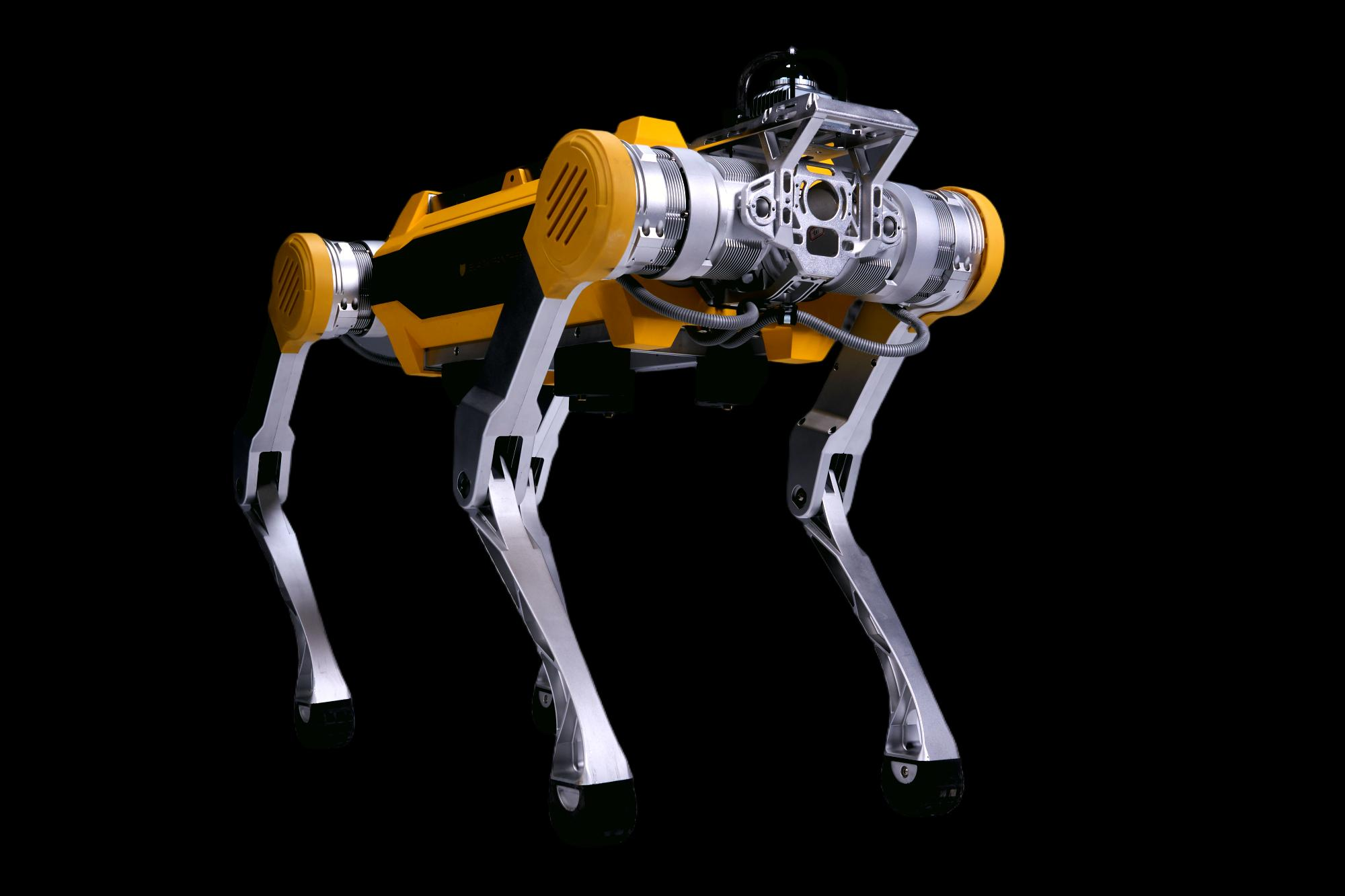
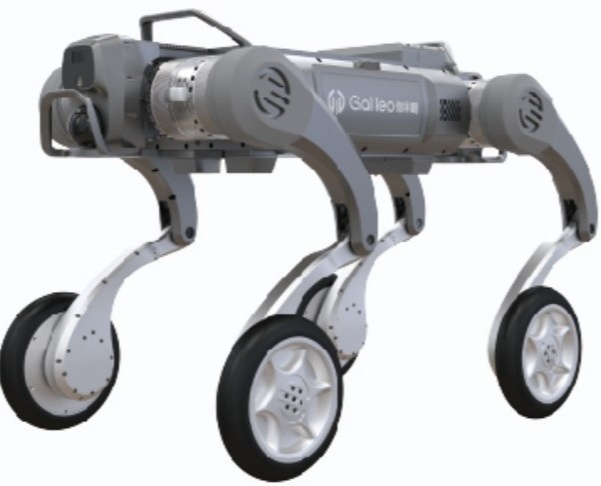
핵심 요약
- Apollo offers the higher payload (50 kg vs 30 kg).
- Galileo E1-W offers the faster top speed (21.6 km/h vs 18 km/h).
- Apollo offers the longer runtime (360 min vs 150 min).
- Apollo offers the larger battery (2.31 kWh vs 1.44 kWh).
- Galileo E1-W offers the lighter build (60 kg vs 65 kg).
사양 비교
| Apollo | Galileo E1-W | |
|---|---|---|
| 회사 | MirrorMe Technology | Galileo Technology |
| 카테고리 | Industrial-Robot | Industrial-Robot |
| 가격: | 미공개 | 미공개 |
| 무게 | 65 kg | 60 kg |
| 가반하중 | 50 kg | 30 kg |
| 자유도 | 12 | — |
| 속도 | 18 km/h | 21.6 km/h |
| 배터리 지속 시간 | 360 min | 150 min |
| 연결성 | — | WiFi 6, optional 4G and 5G; Ethernet, USB and RS485 external interfaces |
| 소프트웨어 / AI | — | Autonomous navigation and obstacle avoidance with multi-sensor fusion |
자주 묻는 질문
What is the difference between the Apollo and the Galileo E1-W?
Apollo is made by MirrorMe Technology, while Galileo E1-W is made by Galileo Technology. Both are industrial-robots, so the differences come down to price and specifications.
Which has the higher payload, the Apollo or the Galileo E1-W?
The Apollo has the higher payload at 50 kg, compared to 30 kg for the Galileo E1-W.
Which is faster, the Apollo or the Galileo E1-W?
The Galileo E1-W has the higher top speed at 21.6 km/h, compared to 18 km/h for the Apollo.
Which has the longer battery life, the Apollo or the Galileo E1-W?
The Apollo has the higher runtime at about 360 minutes, compared to about 150 minutes for the Galileo E1-W.