

소개
San Francisco developer of the π0 family of robot foundation models, offered to robot makers and deployers through the Pi API rather than its own robots.
로보틱스 미디어 및 하이라이트
주요 로보틱스 동영상
아직 주요 로보틱스 동영상이 없습니다
아직 동영상이 없습니다
이 회사에 연결된 주요 로보틱스 동영상이 없습니다.
로보틱스 스냅샷
등록된 주요 로보틱스 분야가 없습니다.
관련 뉴스
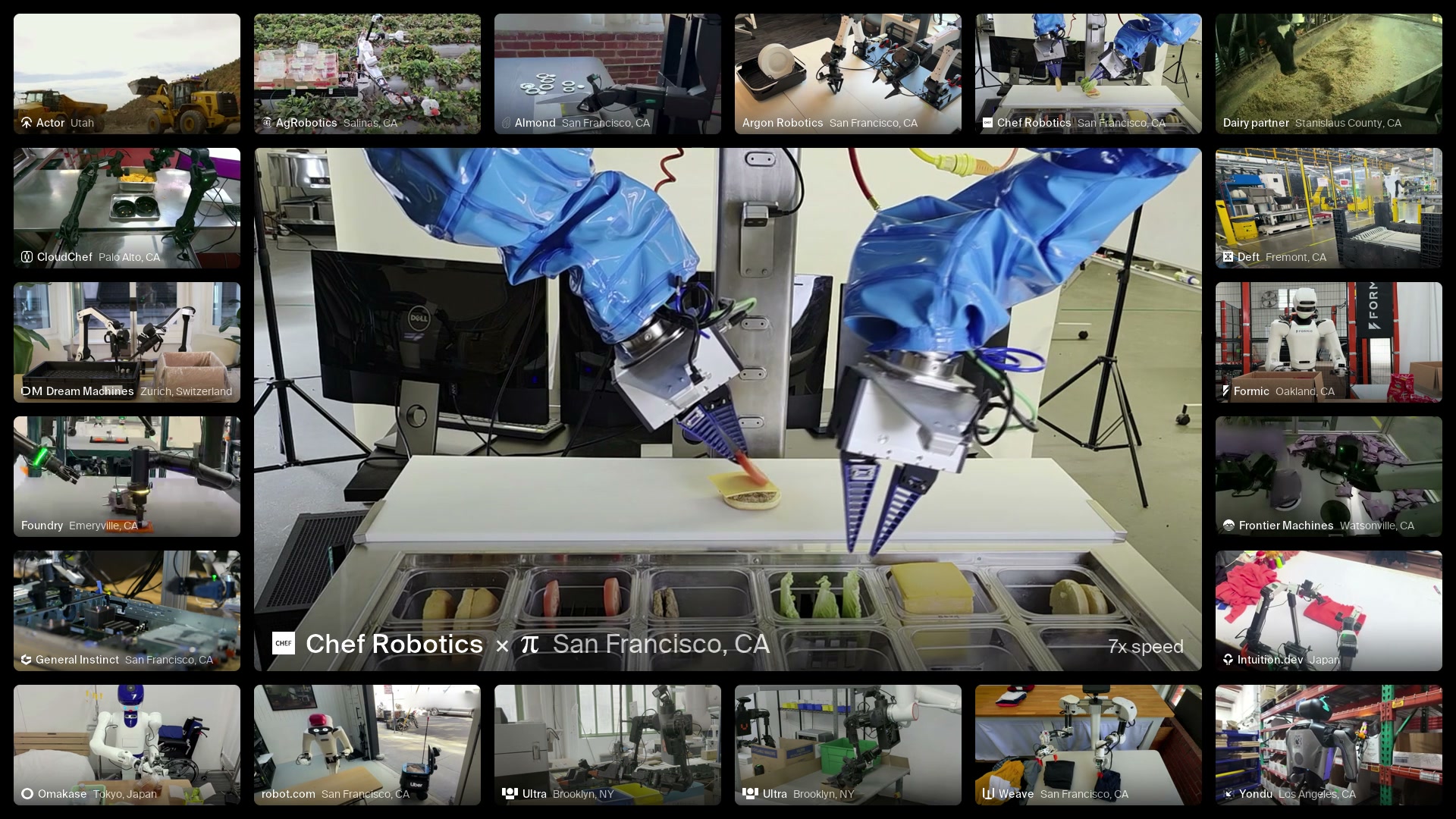
Physical Intelligence Opens API Beta for Its Robot Models
Physical Intelligence launched a public beta of its Pi API, letting developers fine-tune and run the company's pi0 and pi0.5 robot foundation models on managed infrastructure, with early partners from heavy machinery to dual-arm manufacturing showing results in as little as four days.
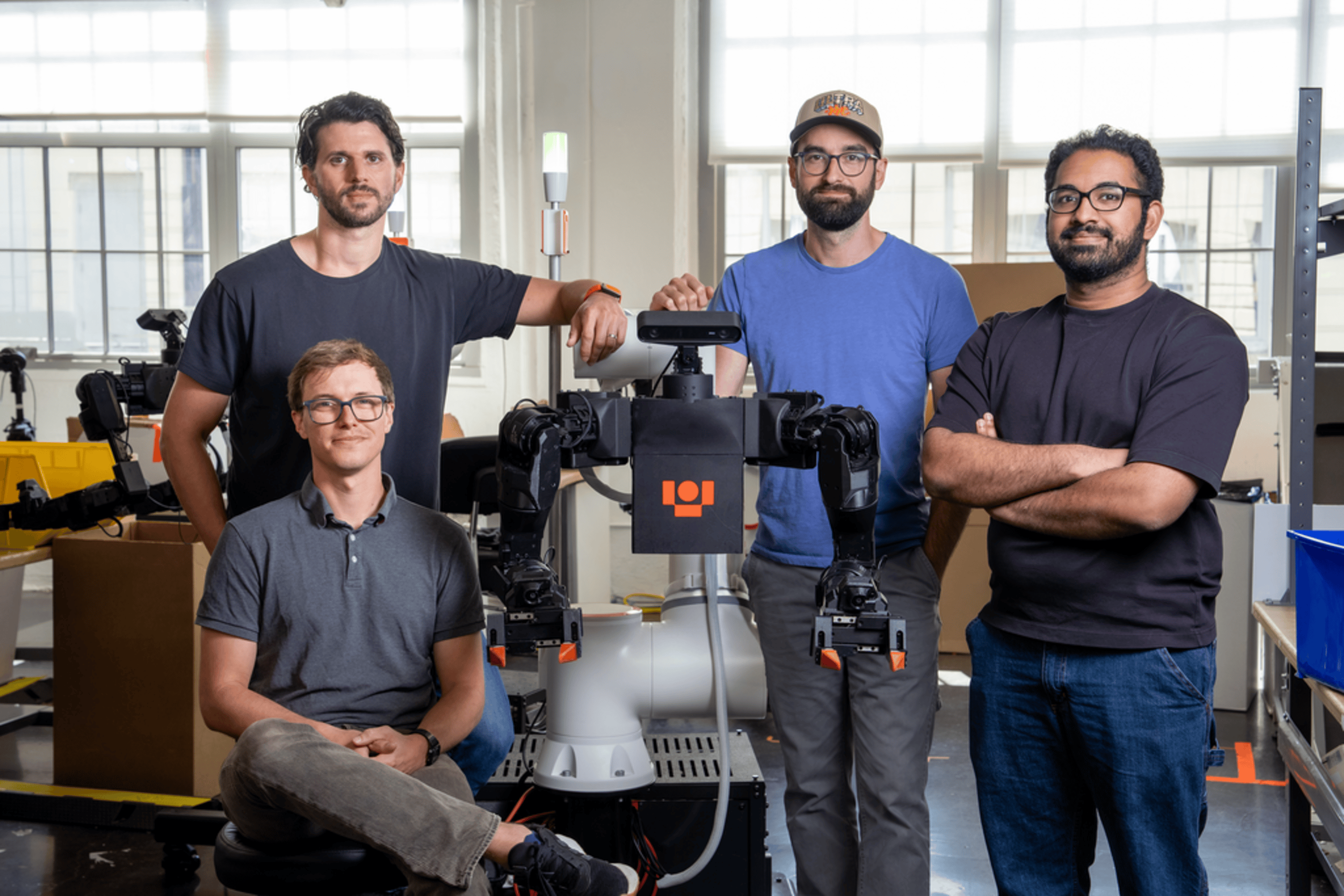
Ultra Raises US$50 Million Series A, Deepens Physical Intelligence Tie-Up
Ultra raised a US$50 million Series A and deepened its reliance on Physical Intelligence's AI models, a split between hardware and intelligence that buyers evaluating the warehouse-robotics vendor should weigh more heavily than the round size itself.
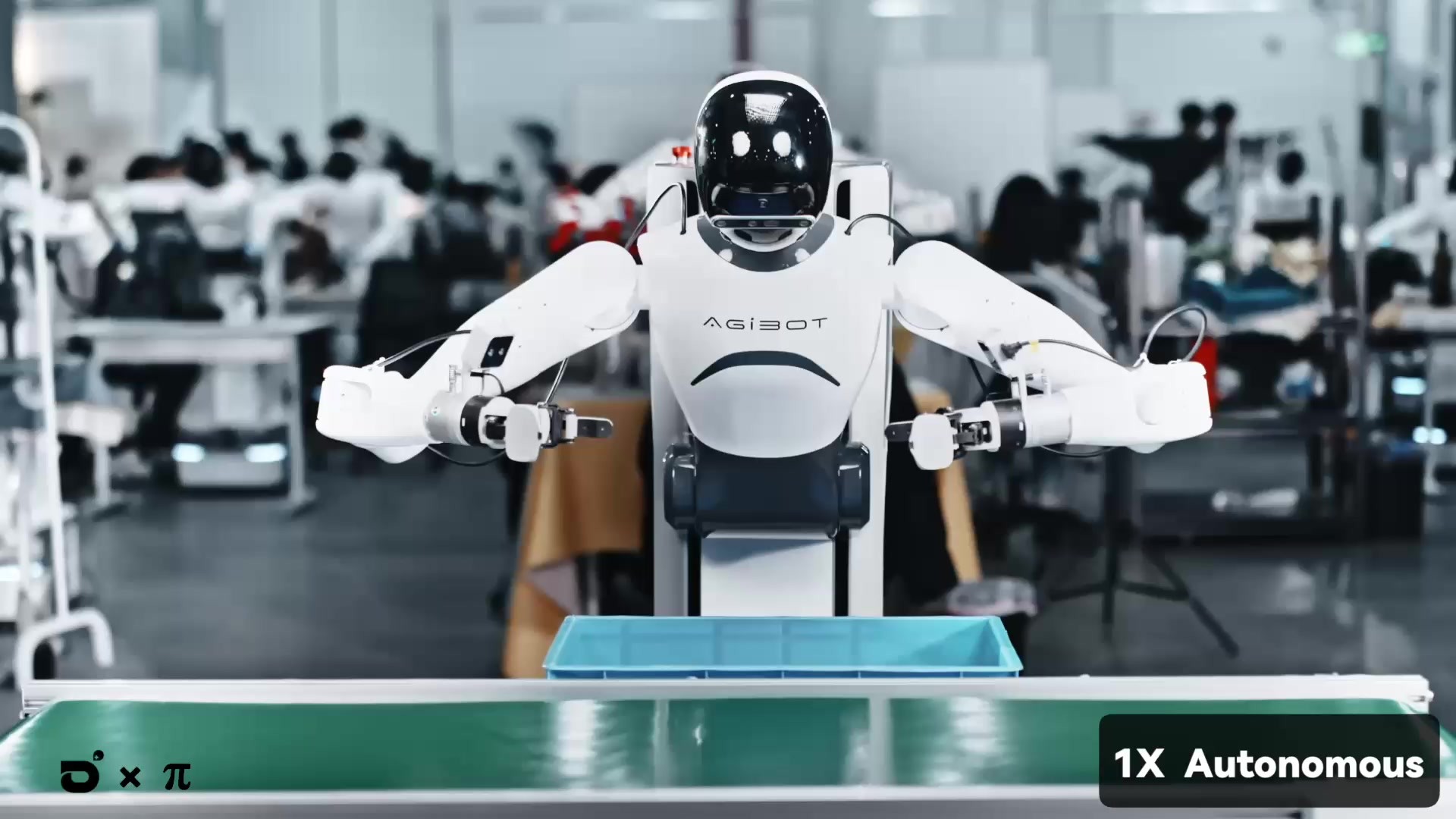
China Just Gave Robots a Slow-Thinking Brain, and Then Gave It Away for Free
Shanghai Innovation Institute with AgiBot released τ0-VLA, a long-horizon vision-language-action model claiming state-of-the-art results above Google and Physical Intelligence baselines, trained on a claimed 40,115-hour real-robot corpus, released with weights and training recipe. Positioned as embodied AI’s potential DeepSeek moment; adoption metrics (forks, downloads) named as the verification to watch.
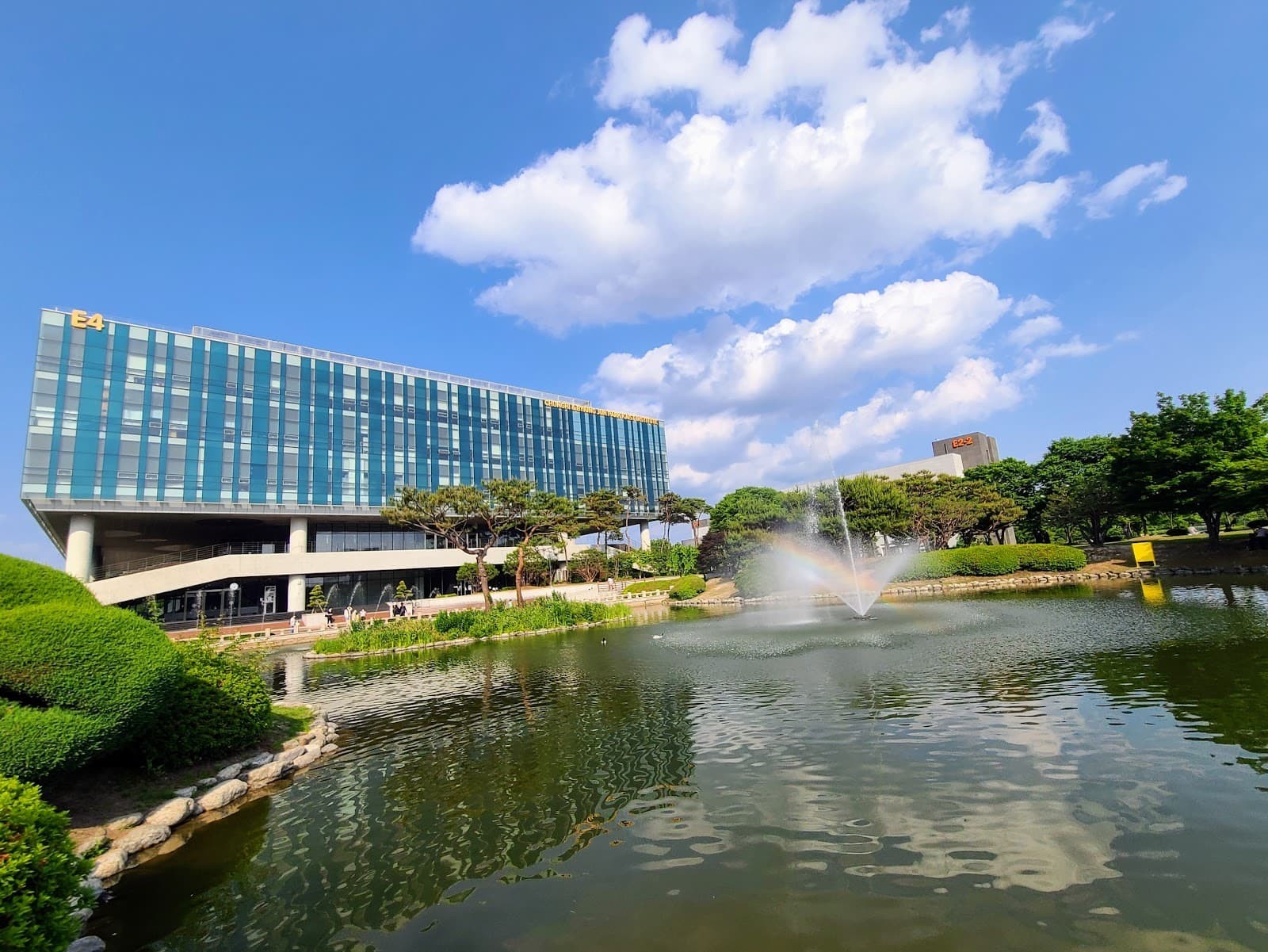
KAIST and Nvidia Bet That the Next Foundation Model Learns From Muscles, Not the Internet
KAIST announced on July 26 a joint center with Nvidia to develop physical AI that learns from real human motion data. The Human Physical Intelligence Technology Center, co-directed by wearable-robot expert Kong Kyoung-chul and bio-robot expert Kim Jung, will build a Human Motion Foundation Model that predicts and generates human movement, with applications spanning wearable robots, humanoids, rehabilitation, and digital healthcare. It is the second KAIST-Nvidia institution announced in three days, and its raw material is a data asset that internet-trained models cannot replicate.
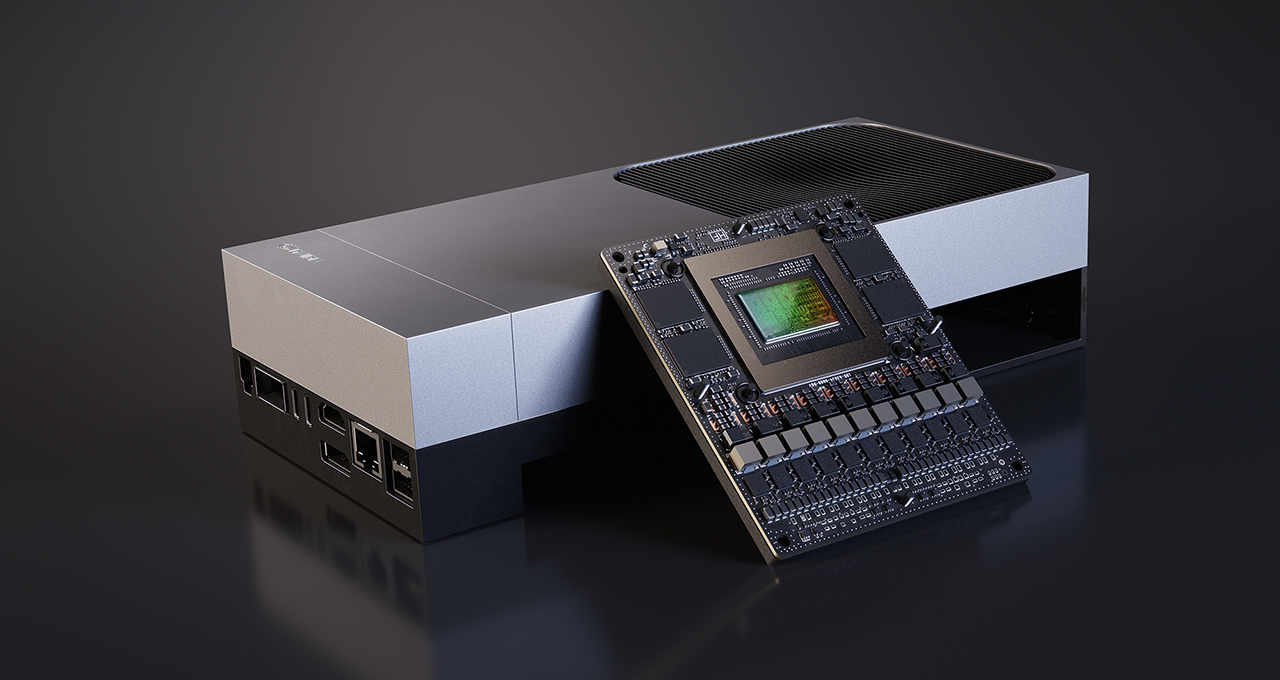
A Chip-Agnostic Inference Engine Just Cut Robot Reaction Time by 90 Percent
Infinigence AI, Tsinghua University, and Shanghai Jiao Tong University open-sourced APXInf, an inference engine that cuts robot control latency by 90 percent on NVIDIA's Jetson Thor chip.

Beijing Upgrades Shared Humanoid Robot Training Center
Beijing’s Shijingshan center added 4D world models and light-field capture to train robots across household and industrial tasks.
관련 아티클
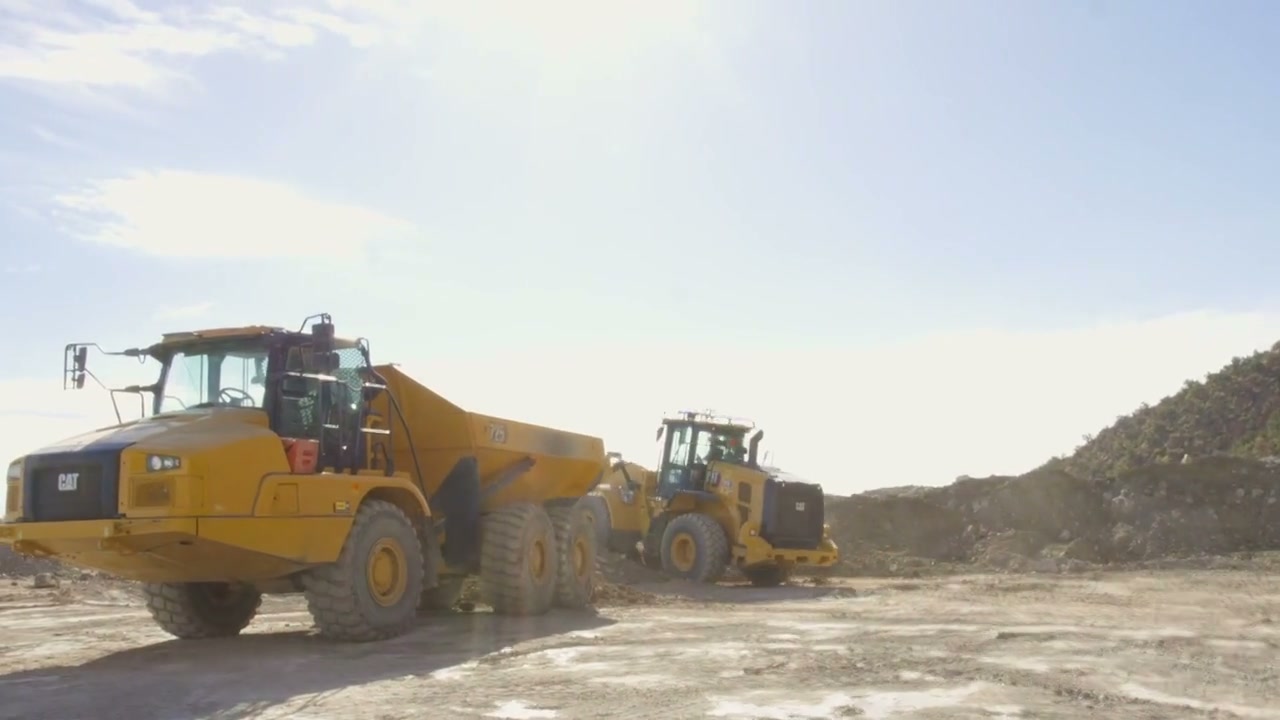
Physical Intelligence's US$20 Billion Price Tag Has No Outside Bidder
Physical Intelligence is reportedly in talks to raise over US$1 billion at a US$20 billion valuation, nearly double its price from earlier this year, with existing investors Avenir and Lux Capital leading the round rather than a new outside backer. The company still has no revenue, and its October API beta names no paying customer.
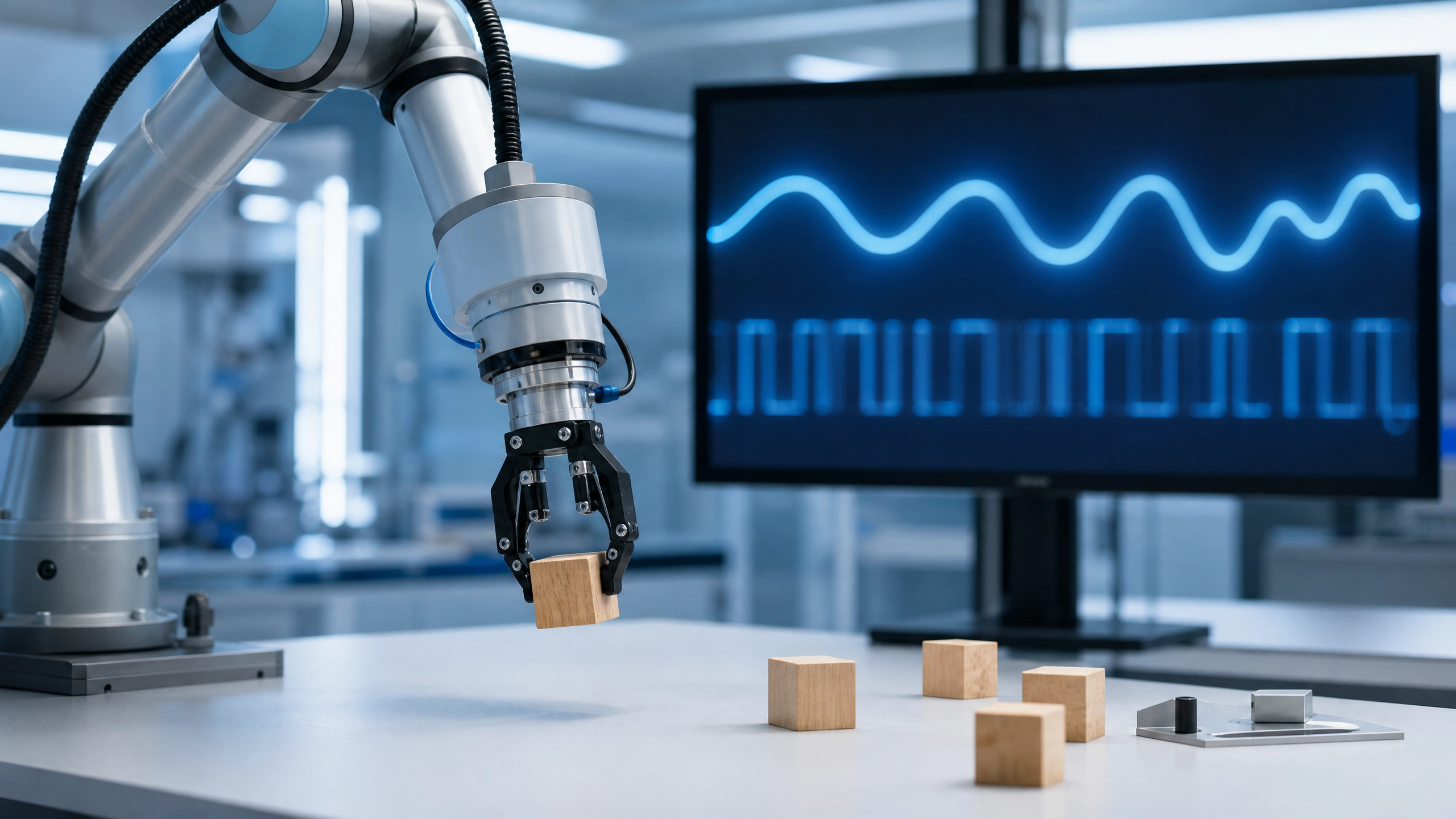
How Robots Learn to Move, and Why Action Tokenization Is the Quiet Bottleneck in Physical Intelligence
Vision Language Action models can read a scene and follow an instruction, but they still have to turn that understanding into smooth, continuous motion. The method that bridges language and motor control is called action tokenization, and it has quietly become one of the most consequential design choices in robot learning.
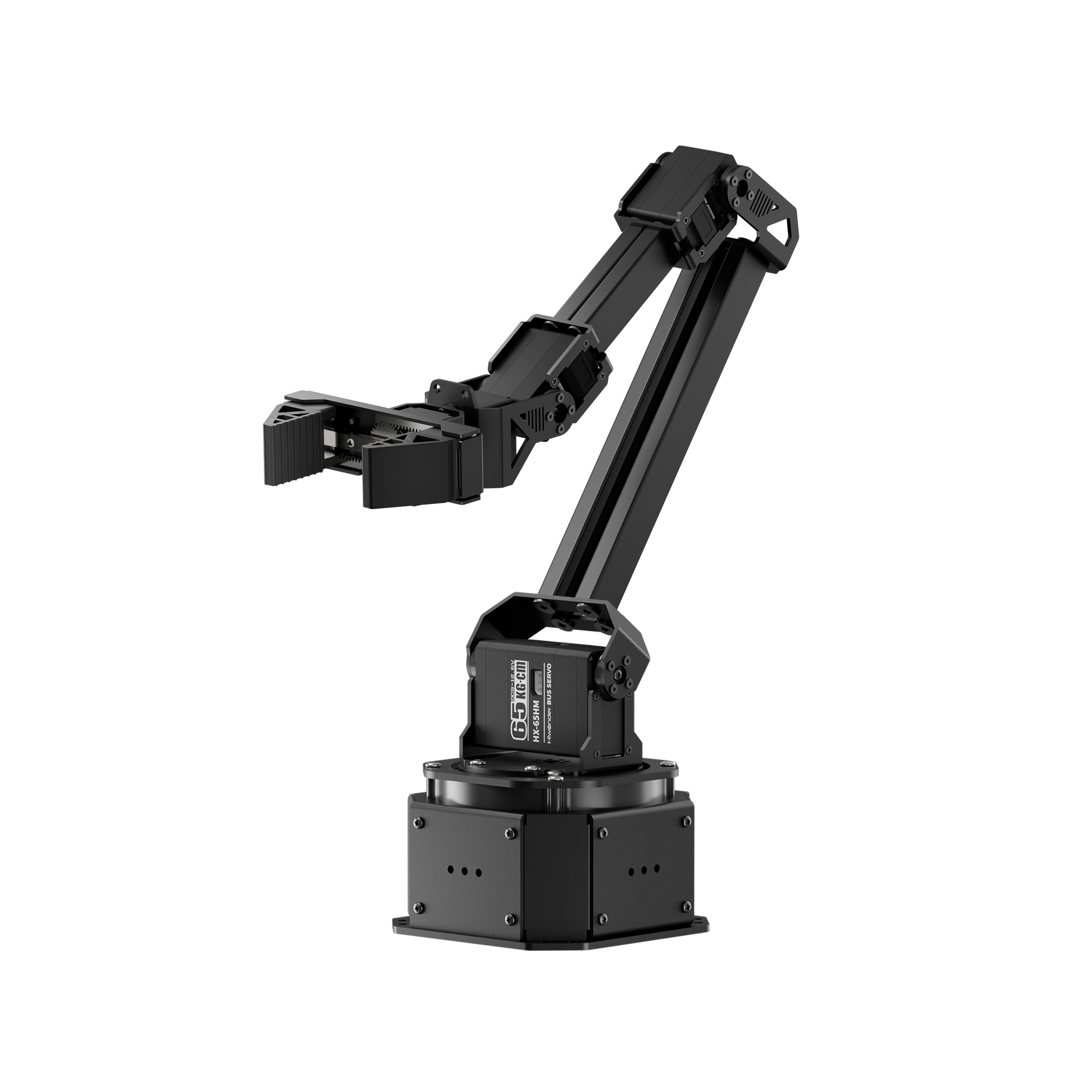
OpenAI's GPT-6 Astra Leads New Robot-Control Benchmark, at a Price
A new third-party benchmark shows OpenAI's GPT-6 Astra and rival frontier models can now pilot a robot arm with zero task-specific training, but at roughly 100 times the cost and speed of a human, leaving purpose-built robot foundation models from Physical Intelligence, Figure, Google DeepMind, and NVIDIA as the only commercially rational buy for production deployments today.
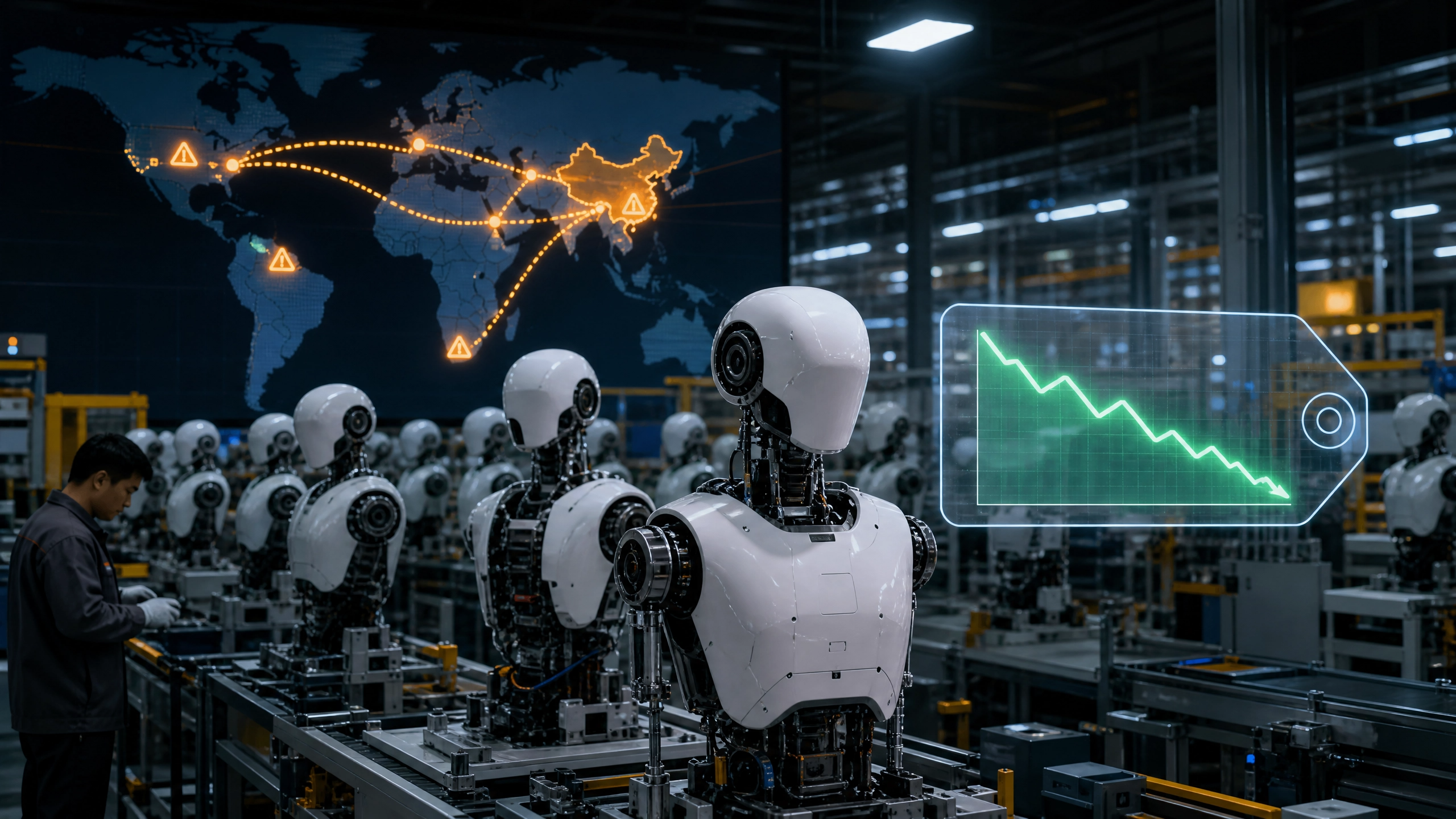
Pricing Watch: Supply Chain Security Collides With Cost Reduction in Robotics
The economics of the Automation, Robotics, and Physical Intelligence (ARPI) sector are currently being shaped by two opposing forces. On one side, geopolitical friction is introducing upstream cost risks, highlighted by China's June 2026 export controls targeting major US rare earth firms. On the other side, domestic Chinese humanoid robot prices are in freefall, dropping 72% year-over-year, driven by aggressive substitution of legacy components with Commercial-Off-The-Shelf (COTS) hybrid architectures and the onset of mass production scale.
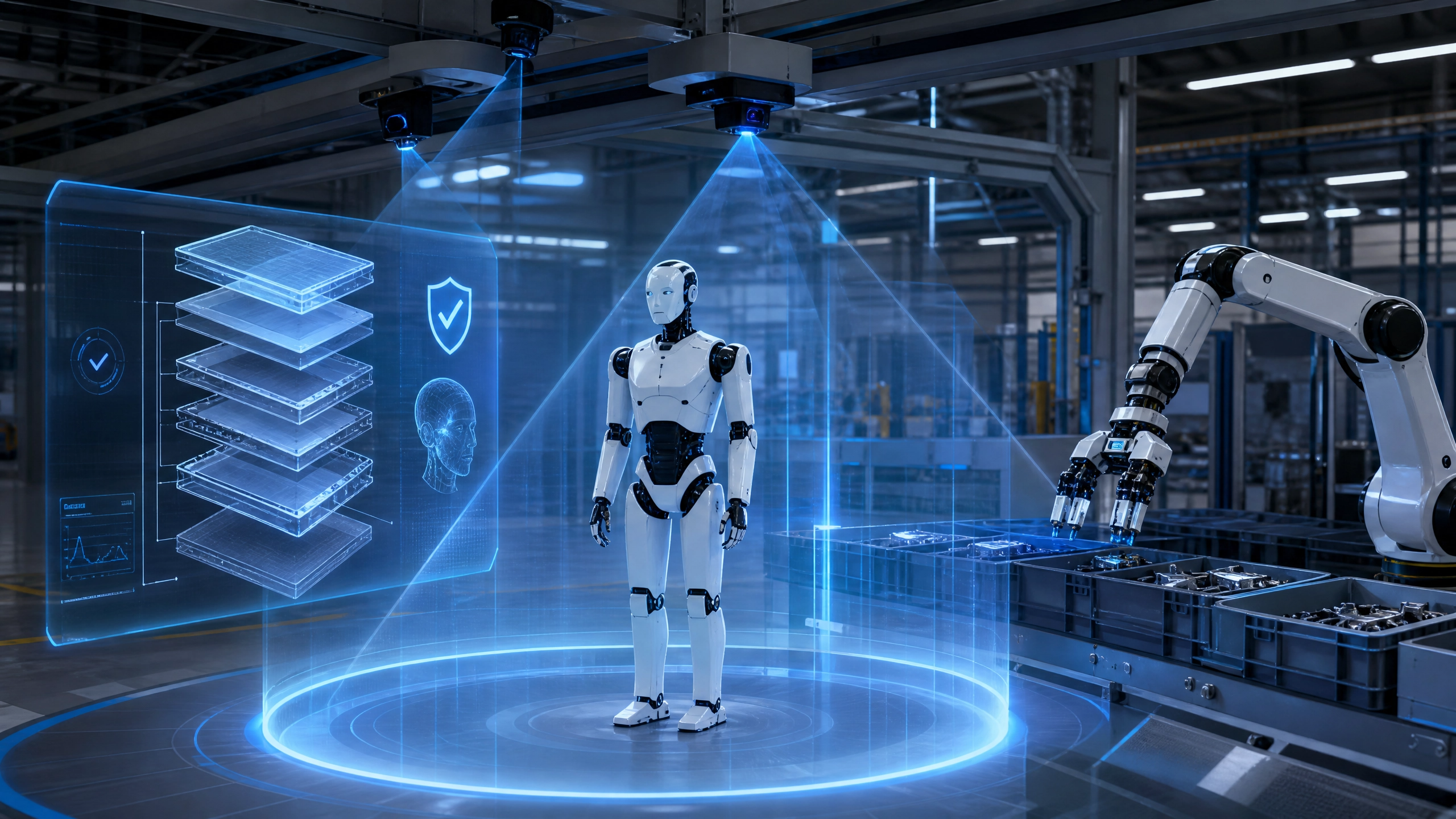
Technological Impacts to Watch: Safety Architectures and Logistics Deployments
The upcoming week in the Automation, Robotics, and Physical Intelligence (ARPI) sector is defined by two major technological shifts moving from the lab to the factory floor. First, NVIDIA's announcement of Halos for Robotics introduces the industry's first full-stack safety architecture, addressing the critical bottleneck of safe human-robot collaboration. Second, BMW's deployment of the Figure 03 humanoid robot at its Spartanburg plant marks a transition from simple part-loading to complex logistics sequencing, demonstrating the maturation of Vision-Language-Action (VLA) models in real-world industrial environments.
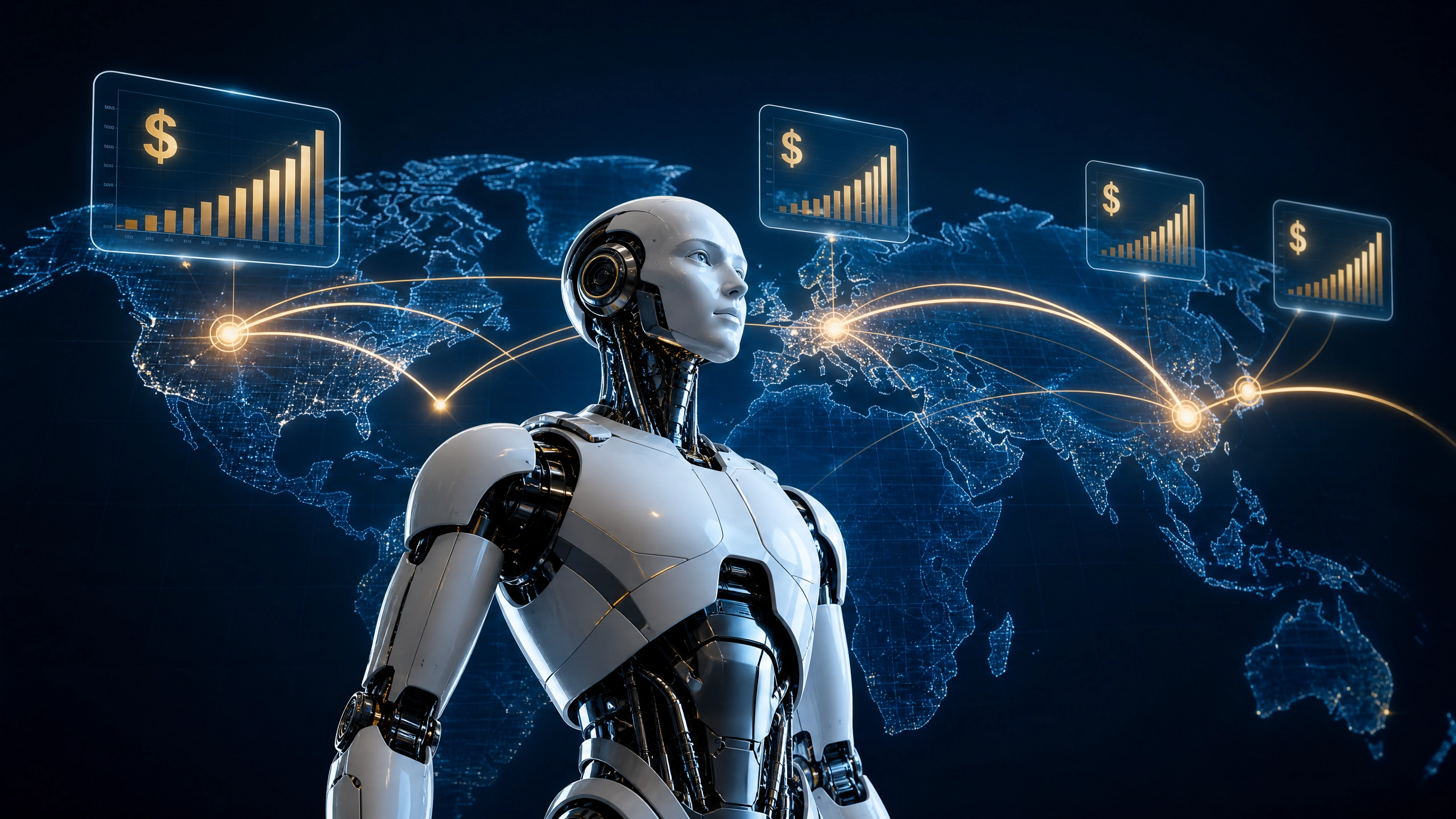
2026 First Half Global ARPI Funding Review: Capital Shifts From Verification to Industrial Scale
The first half of 2026 marked a historic inflection point for Automation, Robotics, and Physical Intelligence (ARPI) funding. Globally, robotics startups raised an unprecedented $18.8 billion in just six months, eclipsing the $15 billion total for all of 2025. This comprehensive review analyzes 26 major funding events across Q1 and Q2, revealing a decisive shift from early-stage R&D to late-stage commercialization, embodied AI infrastructure, and defense tech. The article also provides a Q3 outlook, highlighting the highly anticipated Unitree Robotics IPO on the Shanghai STAR Market and the broader implications for the physical AI ecosystem.
제조 로봇: PHYSICAL INTELLIGENCE
아직 로봇 없음
이 회사는 아직 데이터베이스에 로봇을 추가하지 않았습니다.
리더십
리더십 정보가 아직 제공되지 않습니다.