

説明
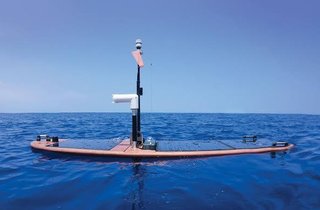
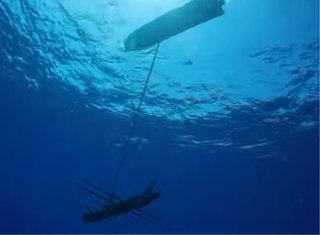
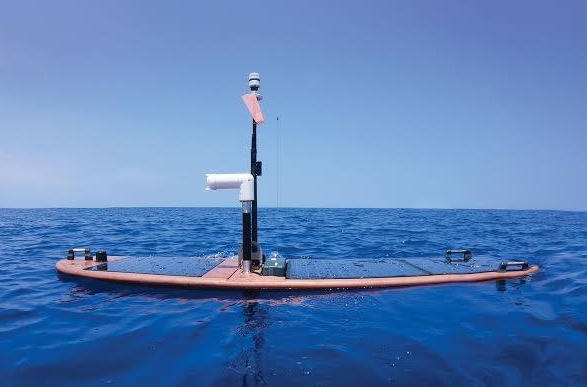
Wave Glider is Liquid Robotics' (Boeing) wave- and solar-powered uncrewed surface vehicle (USV) family — SV3, SV5, and SV6 — for long-endurance maritime sensing, communications, and mission payloads. The platform pairs a surface float with a submerged sub via umbilical, converting wave motion into forward propulsion while solar panels charge onboard batteries for sensors and radios.
特長
- Max payload weight 70 kg / 215 kg / 450 kg
- Max energy storage 6.8 kWh / 15.7 kWh / 30 kWh
- Max solar collection 225 W / 525 W / 900 W
- Float length overall 3.05 m / 5.15 m / 5.6 m
- Wave-powered propulsion with solar energy harvest
- Configurable payload bays
- Satellite / cell / Wi-Fi / LOS radio options cited on OEM materials
- SV5 released 2025
- SV6 launched 2026 with native 48 V payload power
技術仕様
| 移動性能 | |
| 移動方式 | 水中型 |
|---|---|
技術仕様
| 移動性能 | |
| 移動方式 | 水中型 |
|---|---|
画像
 martti
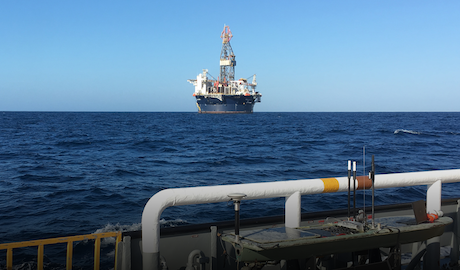 martti
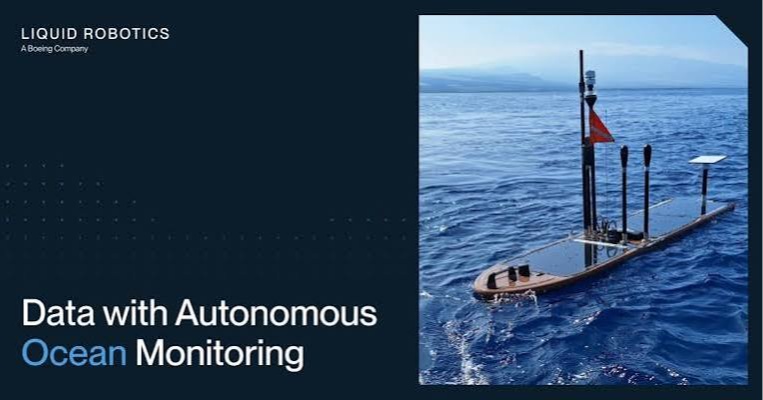 martti
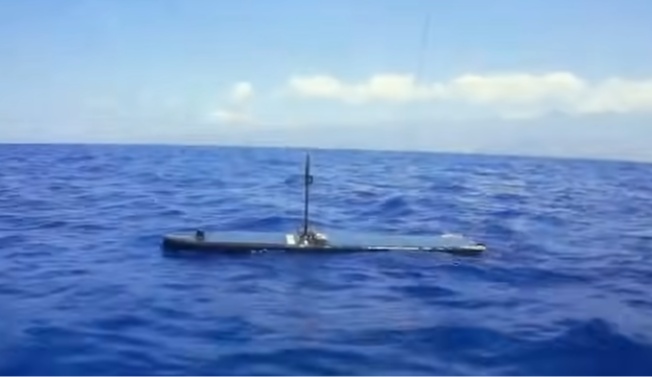 martti
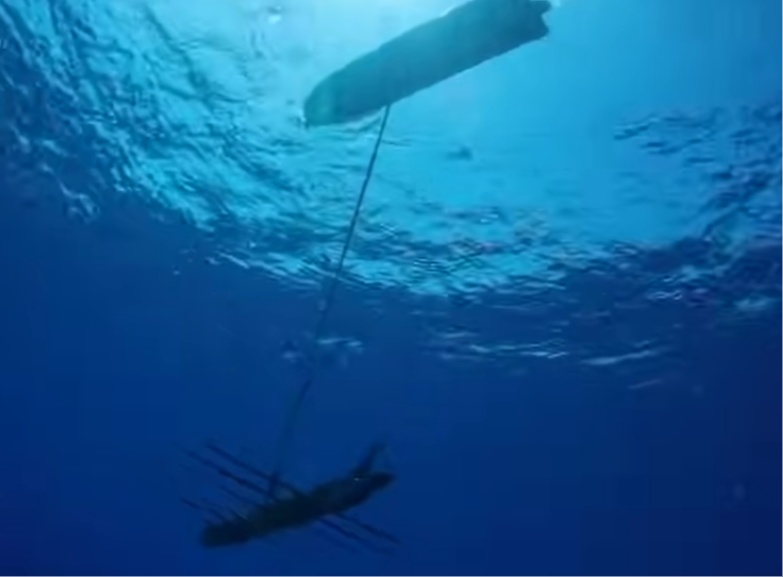 martti
投稿画像
ロボットフォーラム
フォーラムを読み込み中...
評価
よくある質問
What is the Wave Glider?
Wave Glider is Liquid Robotics' (Boeing) wave- and solar-powered uncrewed surface vehicle (USV) family — SV3, SV5, and SV6 — for long-endurance maritime sensing, communications, and mission payloads.
Who makes the Wave Glider?
The Wave Glider is made by Liquid Robotics (Boeing), a robotics company based in United States.
How much does the Wave Glider cost?
Liquid Robotics (Boeing) has not publicly announced pricing for the Wave Glider. You can enquire through RobotAIGeek for current pricing.
What is the Wave Glider used for?
The Wave Glider is designed for 研究, セキュリティ, 点検, and モニタリング. It is used in エネルギー and 研究 settings.
類似ロボットと比較
このロボットが最も近い代替候補とどう比べられるかをご覧ください
- Wave Glider vs Bluefin-21
- Wave Glider vs Bluefin-12
- Wave Glider vs Sabertooth Double Hull
- Wave Glider vs Sabertooth Single Hull
- Wave Glider vs Bluefin-9