
Galileo E1 vs WUBA Tianlang Q10W
Galileo Technology vs WUBA Intelligent Technology — specs, price, and data-backed comparison.
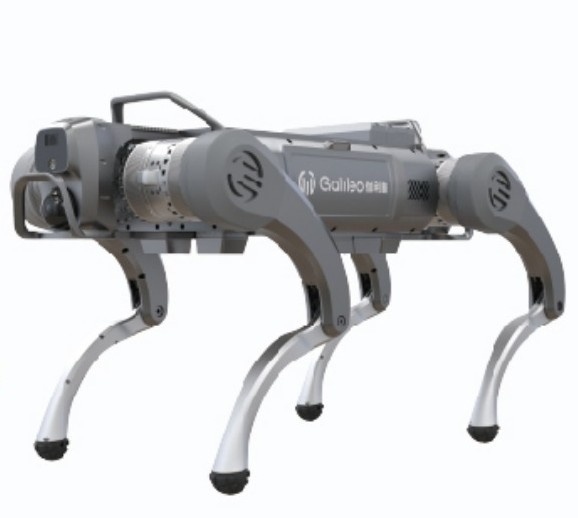
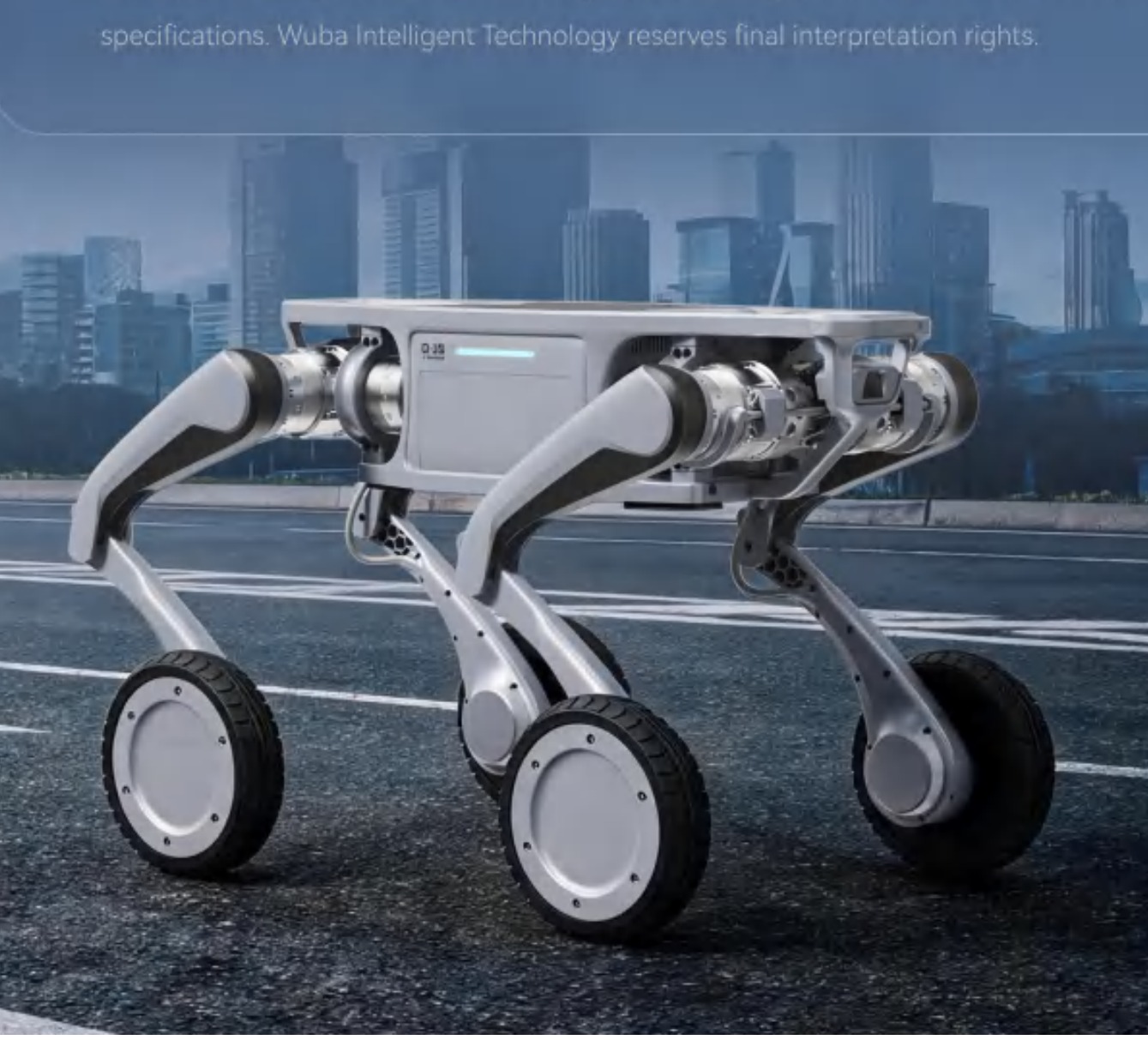
クイックまとめ
- Galileo E1 offers the higher payload (30 kg vs 15 kg).
- WUBA Tianlang Q10W offers the faster top speed (18 km/h vs 14.4 km/h).
- WUBA Tianlang Q10W offers the longer runtime (180 min vs 150 min).
- WUBA Tianlang Q10W offers the lighter build (27 kg vs 50 kg).
スペック比較
| Galileo E1 | WUBA Tianlang Q10W | |
|---|---|---|
| 企業 | Galileo Technology | WUBA Intelligent Technology |
| カテゴリー | Industrial-Robot | Research-Robots |
| 価格: | 未発表 | 未発表 |
| 重量 | 50 kg | 27 kg |
| 可搬重量 | 30 kg | 15 kg |
| 速度 | 14.4 km/h | 18 km/h |
| バッテリー駆動時間 | 150 min | 180 min |
| 接続性 | WiFi 6, optional 4G and 5G; Ethernet, USB and RS485 external interfaces | — |
| ソフトウェア / AI | Autonomous navigation and obstacle avoidance with multi-sensor fusion | — |
よくある質問
What is the difference between the Galileo E1 and the WUBA Tianlang Q10W?
Galileo E1 is made by Galileo Technology, while WUBA Tianlang Q10W is made by WUBA Intelligent Technology. Galileo E1 is a industrial-robot, while WUBA Tianlang Q10W is a research-robots.
Which has the higher payload, the Galileo E1 or the WUBA Tianlang Q10W?
The Galileo E1 has the higher payload at 30 kg, compared to 15 kg for the WUBA Tianlang Q10W.
Which is faster, the Galileo E1 or the WUBA Tianlang Q10W?
The WUBA Tianlang Q10W has the higher top speed at 18 km/h, compared to 14.4 km/h for the Galileo E1.
Which has the longer battery life, the Galileo E1 or the WUBA Tianlang Q10W?
The WUBA Tianlang Q10W has the higher runtime at about 180 minutes, compared to about 150 minutes for the Galileo E1.