
Galileo C1-W vs WUBA Tianlang Q10W
Galileo Technology vs WUBA Intelligent Technology — specs, price, and data-backed comparison.
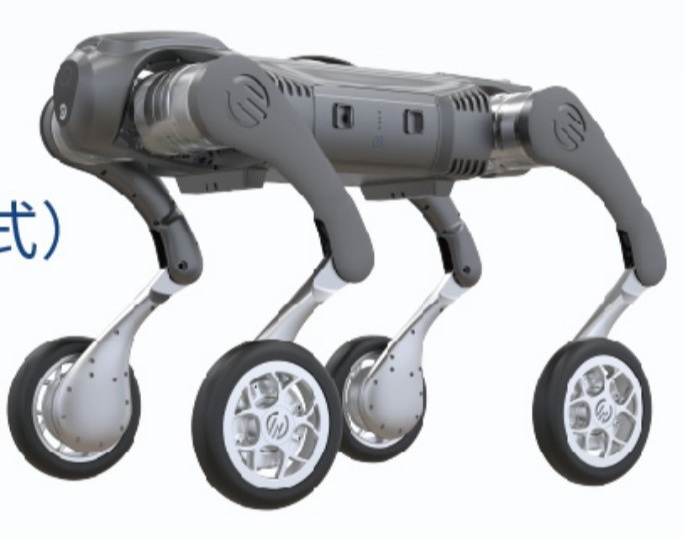
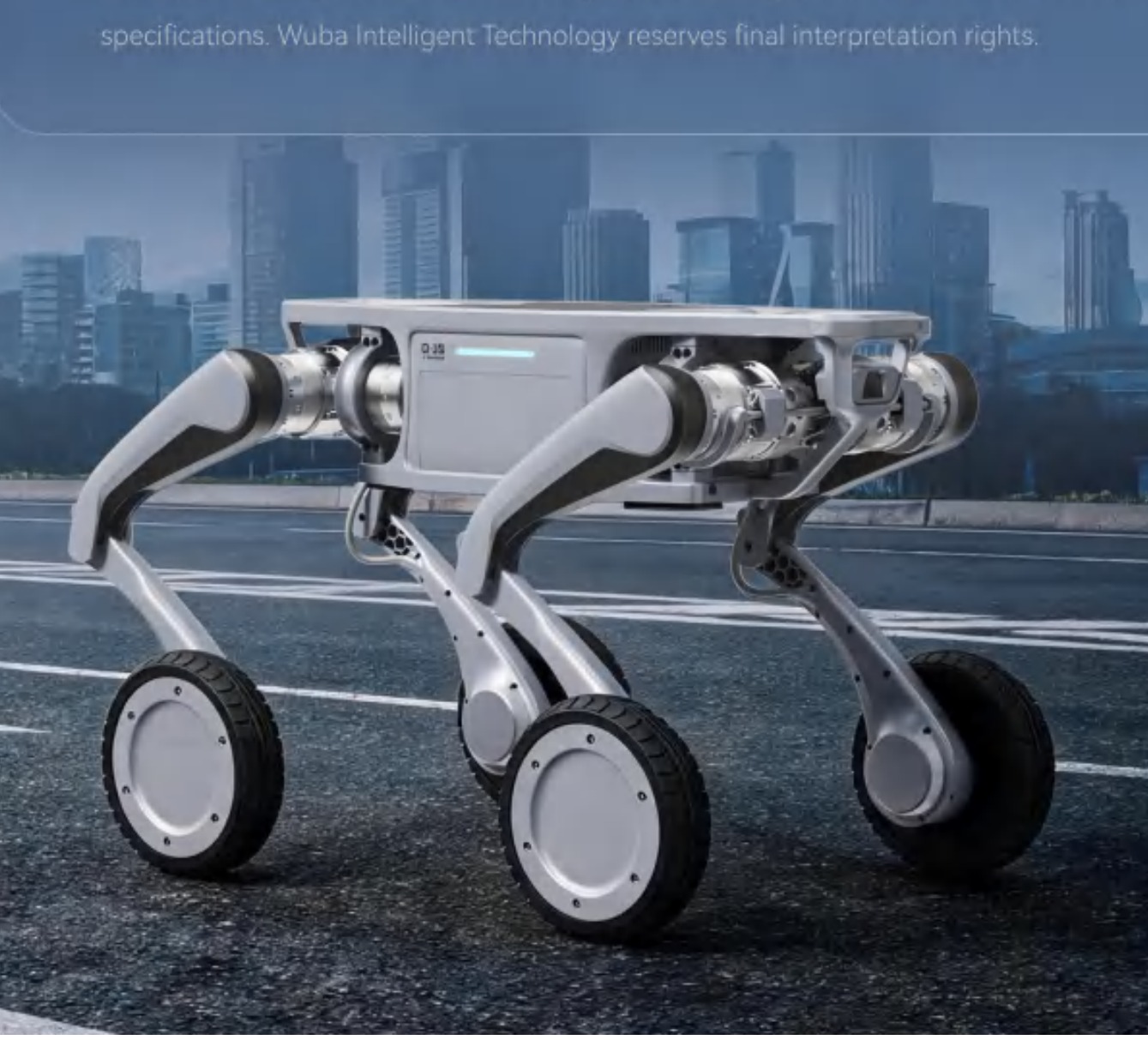
クイックまとめ
- WUBA Tianlang Q10W offers the higher payload (15 kg vs 12 kg).
- WUBA Tianlang Q10W offers the lighter build (27 kg vs 28.5 kg).
スペック比較
| Galileo C1-W | WUBA Tianlang Q10W | |
|---|---|---|
| 企業 | Galileo Technology | WUBA Intelligent Technology |
| カテゴリー | Industrial-Robot | Research-Robots |
| 価格: | 未発表 | 未発表 |
| 重量 | 28.5 kg | 27 kg |
| 可搬重量 | 12 kg | 15 kg |
| 速度 | 18 km/h | 18 km/h |
| バッテリー駆動時間 | 180 min | 180 min |
| 接続性 | WiFi 6, optional 4G and 5G; Ethernet, USB and RS485 external interfaces | — |
| ソフトウェア / AI | Autonomous navigation and obstacle avoidance with multi-sensor fusion | — |
よくある質問
What is the difference between the Galileo C1-W and the WUBA Tianlang Q10W?
Galileo C1-W is made by Galileo Technology, while WUBA Tianlang Q10W is made by WUBA Intelligent Technology. Galileo C1-W is a industrial-robot, while WUBA Tianlang Q10W is a research-robots.
Which has the higher payload, the Galileo C1-W or the WUBA Tianlang Q10W?
The WUBA Tianlang Q10W has the higher payload at 15 kg, compared to 12 kg for the Galileo C1-W.