
Apollo vs PHYBOT D1
MirrorMe Technology vs PHYBOT — specs, price, and data-backed comparison.
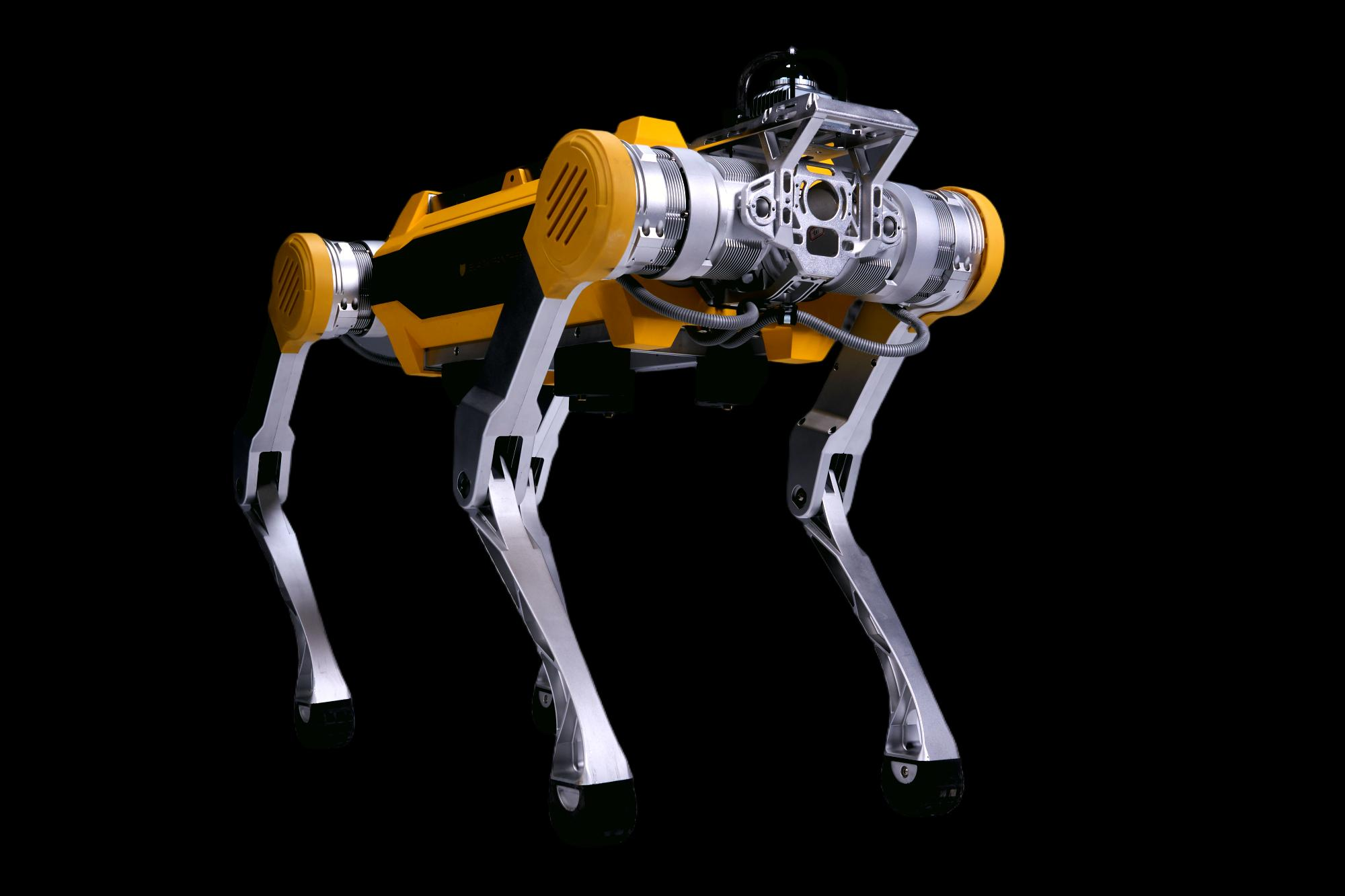
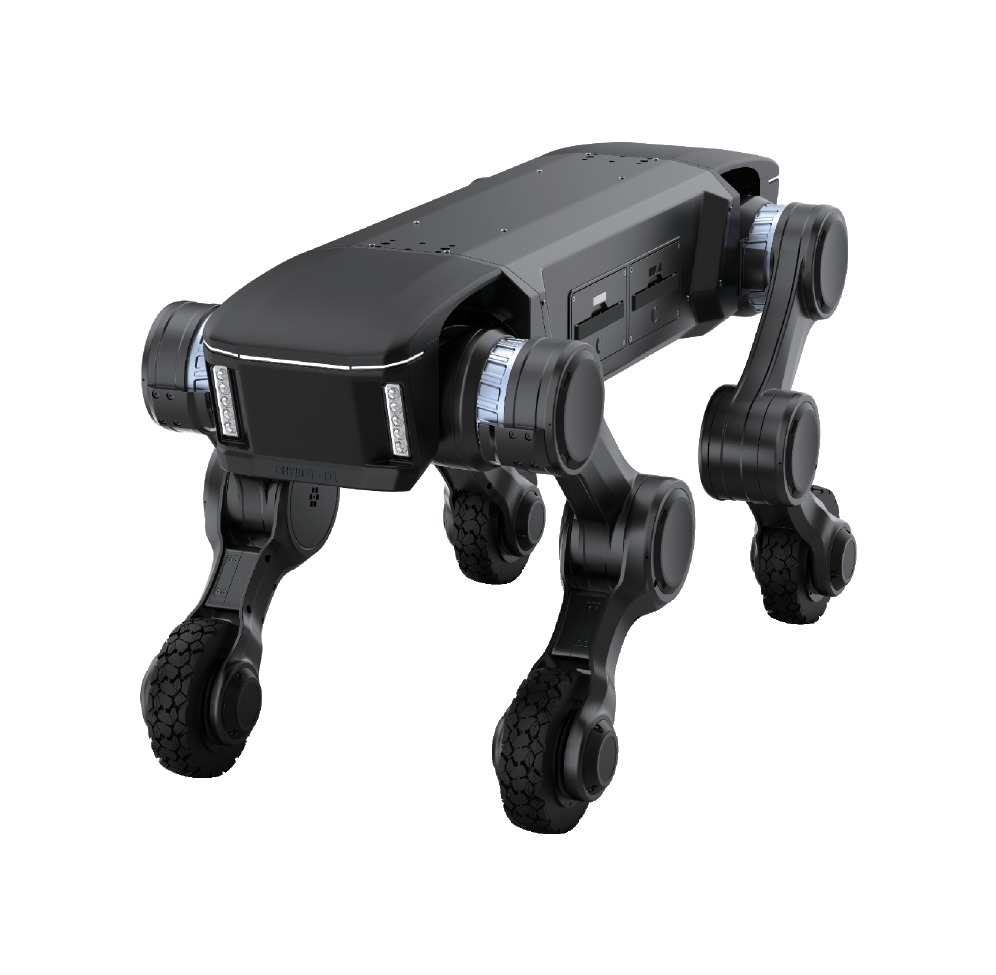
クイックまとめ
- PHYBOT D1 offers the higher payload (500 kg vs 50 kg).
- PHYBOT D1 offers the faster top speed (21.6 km/h vs 18 km/h).
- PHYBOT D1 offers the larger battery (2.59 kWh vs 2.31 kWh).
- PHYBOT D1 offers the more degrees of freedom (16 vs 12).
- Apollo offers the lighter build (65 kg vs 130 kg).
スペック比較
| Apollo | PHYBOT D1 | |
|---|---|---|
| 企業 | MirrorMe Technology | PHYBOT |
| カテゴリー | Industrial-Robot | Industrial-Robot |
| 価格: | 未発表 | 未発表 |
| 重量 | 65 kg | 130 kg |
| 可搬重量 | 50 kg | 500 kg |
| 自由度 | 12 | 16 |
| 速度 | 18 km/h | 21.6 km/h |
| バッテリー駆動時間 | 360 min | 72 V 18 Ah x2 (36 Ah total, removable) |
| ソフトウェア / AI | — | Full-stack intelligent perception system providing autonomous driving capability |
よくある質問
What is the difference between the Apollo and the PHYBOT D1?
Apollo is made by MirrorMe Technology, while PHYBOT D1 is made by PHYBOT. Both are industrial-robots, so the differences come down to price and specifications.
Which has the higher payload, the Apollo or the PHYBOT D1?
The PHYBOT D1 has the higher payload at 500 kg, compared to 50 kg for the Apollo.
Which is faster, the Apollo or the PHYBOT D1?
The PHYBOT D1 has the higher top speed at 21.6 km/h, compared to 18 km/h for the Apollo.