
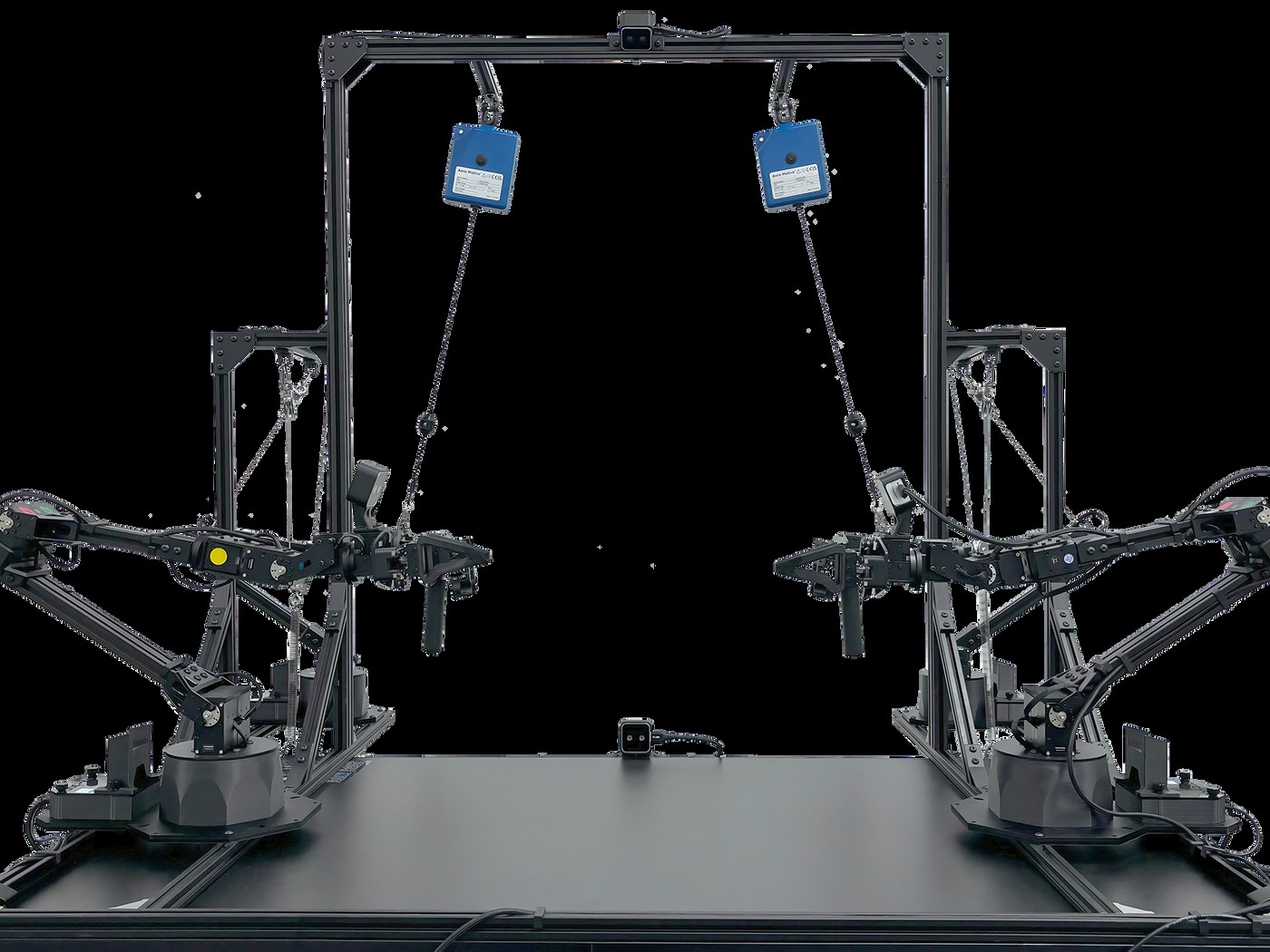
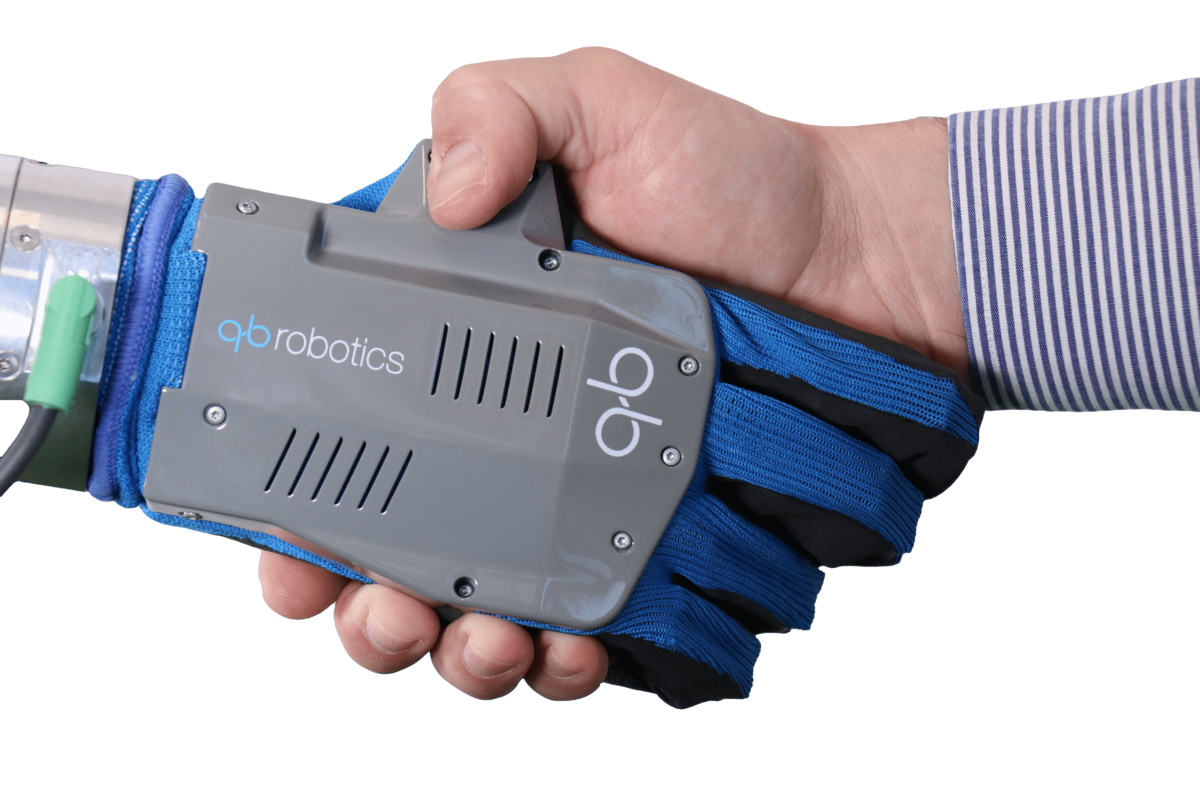
ALOHA Stationary V2.0 vs qb SoftHand Research
Trossen Robotics vs Qb Robotics — specs, price, and data-backed comparison.
EN BREF
- qb SoftHand Research offre la charge utile la plus élevée (1.1 kg contre 0.75 kg).
- qb SoftHand Research offre davantage de degrés de liberté (19 contre 6).
COMPARAISON DES CARACTÉRISTIQUES
| ALOHA Stationary V2.0 | qb SoftHand Research | |
|---|---|---|
| Entreprise | Trossen Robotics | Qb Robotics |
| Catégorie | Research-Robots | End-Effectors |
| Prix : | Non annoncé | Non annoncé |
| Sortie : | 2024 | — |
| Poids | — | 0.77 kg |
| Charge utile | 0.75 kg | 1.1 kg |
| Portée | 750 mm | — |
| Degrés de liberté | 6 | 19 |
Guides d'achat et prix
QUESTIONS FRÉQUENTES
Quelle est la différence entre ALOHA Stationary V2.0 et qb SoftHand Research ?
ALOHA Stationary V2.0 est fabriqué par Trossen Robotics, tandis que qb SoftHand Research est fabriqué par Qb Robotics. ALOHA Stationary V2.0 appartient à la catégorie « research-robots », tandis que qb SoftHand Research appartient à la catégorie « end-effectors ».
Lequel a la charge utile la plus élevée, ALOHA Stationary V2.0 ou qb SoftHand Research ?
qb SoftHand Research a la charge utile la plus élevée, à 1.1 kg, contre 0.75 kg pour ALOHA Stationary V2.0.