Germany Built a Humanoid Bench, Not a Champion
Europe is not late to humanoids because it lacks a national champion. It is late because factories had nowhere to fail a robot in public. Fraunhofer’s three-site lab is that missing bench.

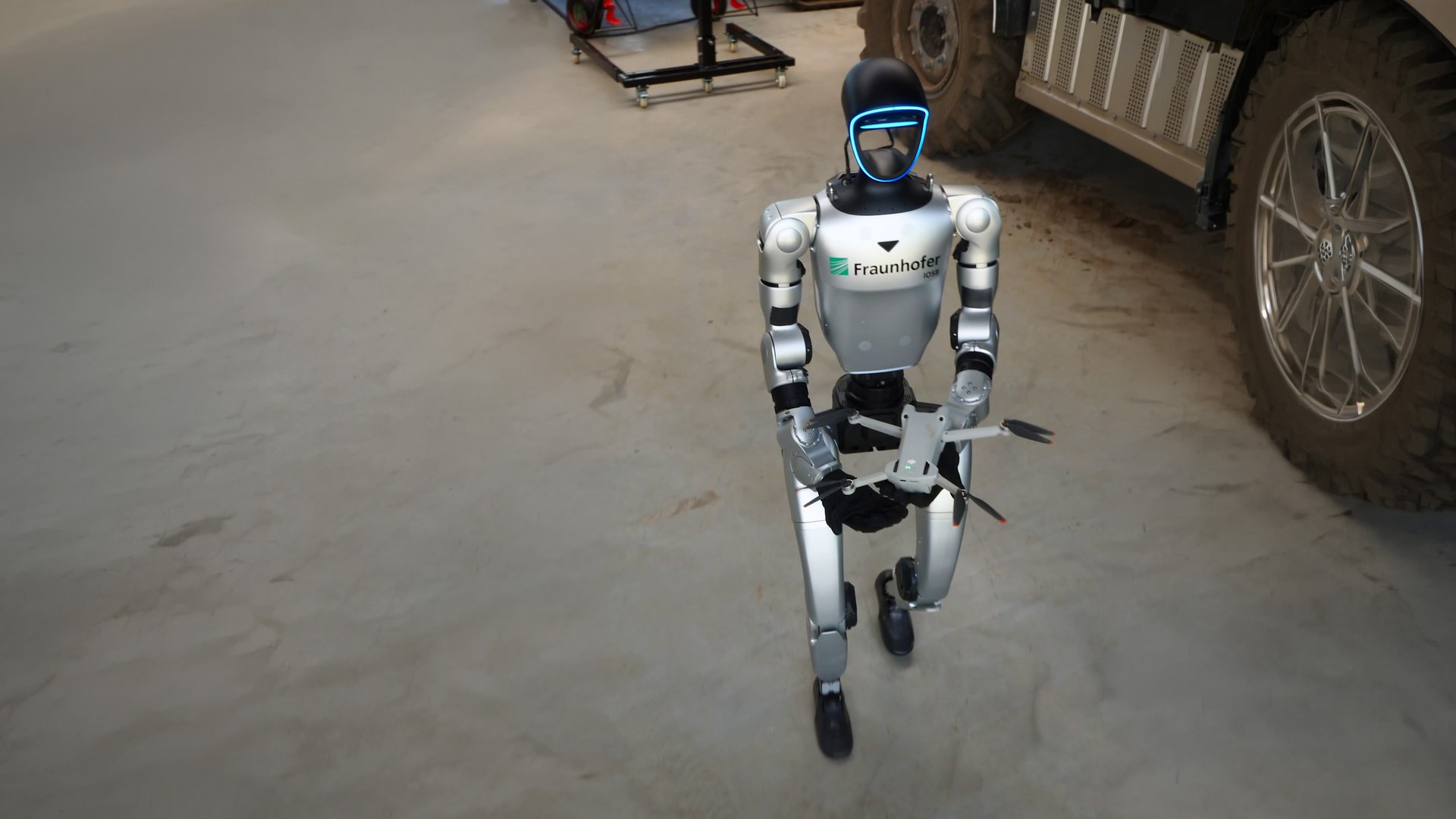
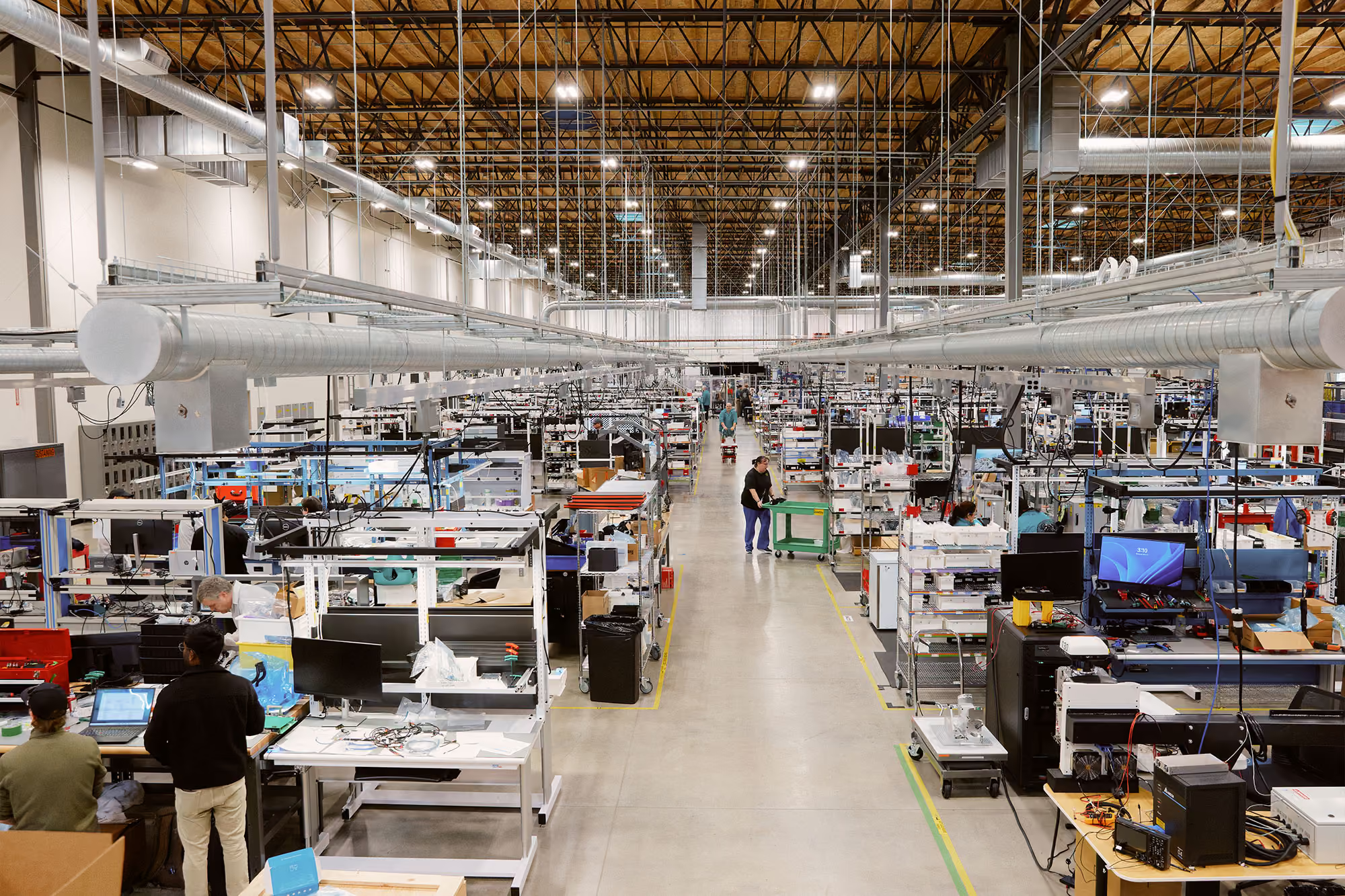
Europe’s humanoid gap is not a missing national champion. It is a missing public room where a plant can fail a robot on real parts, keep a safety file, and leave. The Fraunhofer Institute of Optronics, System Technologies and Image Exploitation (IOSB) opened that bench in Lemgo on 23 September 2026. The opening is context. The design is the story.
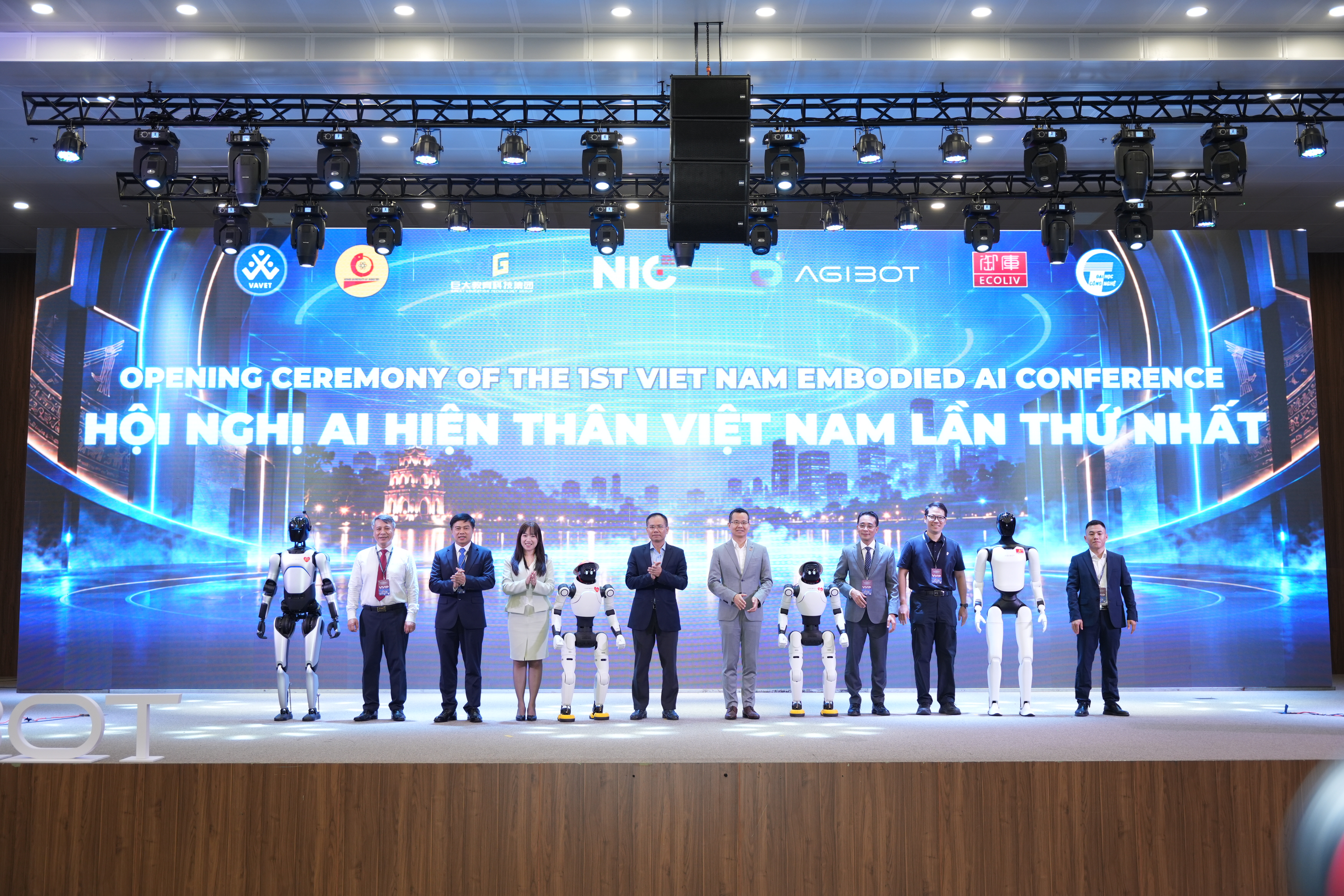
A national champion is a company you cheer. A bench is a process you can repeat. China has both shipping volume and listed humanoid names. Korea spent 22 and 23 September packing a first Humanoids Summit into COEX in Seoul, with ministry remarks, ROBOTIS, NVIDIA, Unitree, and a component floor. The United States is folding Atlas into Hyundai’s Savannah metaplant and tying physical AI to automotive and defence budgets. Germany just funded a three-site evaluation service. If you buy automation, those are not the same product.
Fraunhofer IOSB is a Karlsruhe-based applied research institute inside the Fraunhofer-Gesellschaft. It is not a robot maker. Its core work is sensing, image exploitation, system technology, autonomy, and human-machine interaction. The Humanoid Robots Experience Lab (HREL) splits that competence across three branches. Lemgo, under Prof. Dr. rer. nat. Klaus Neumann at Fraunhofer IOSB-INA, takes industrial manipulation and handling. Karlsruhe, with Dr.-Ing. Michael Voit and Dr.-Ing. Janko Petereit, takes unstructured, safety-critical, and human-centred settings, including civil security, defence, disaster response, and construction. Ilmenau, under Prof. Dr.-Ing. Andreas Wenzel at IOSB-AST, takes agriculture, municipal services, and critical infrastructure, with sensor and control-centre interconnection. Humanoid platforms and accessories are present at each site. New vendors are watched continuously. The offer to companies is concept studies, workshops, feasibility analyses, and stepwise pilots.
That architecture is closer to a materials testing institute than to a product company. Nobody asks TÜV to invent a better steel. They ask it to tell you whether the steel in front of you will hold. HREL is attempting the same role for a class of machines that still fail basic changeover. The Lemgo entry programme even uses a three-step vocabulary that a procurement file can absorb: DISCOVER a use case, EXPLORE it on lab infrastructure, IMPLEMENT only what survives. The visitor questions published by IOSB-INA are equally unromantic. What are the technological limits. Which jobs can already be done. How does the robot sit inside existing norms and information technology (IT). How does a vendor document software and artificial intelligence (AI) model changes. Where can edge cases be tested without stopping a live line.
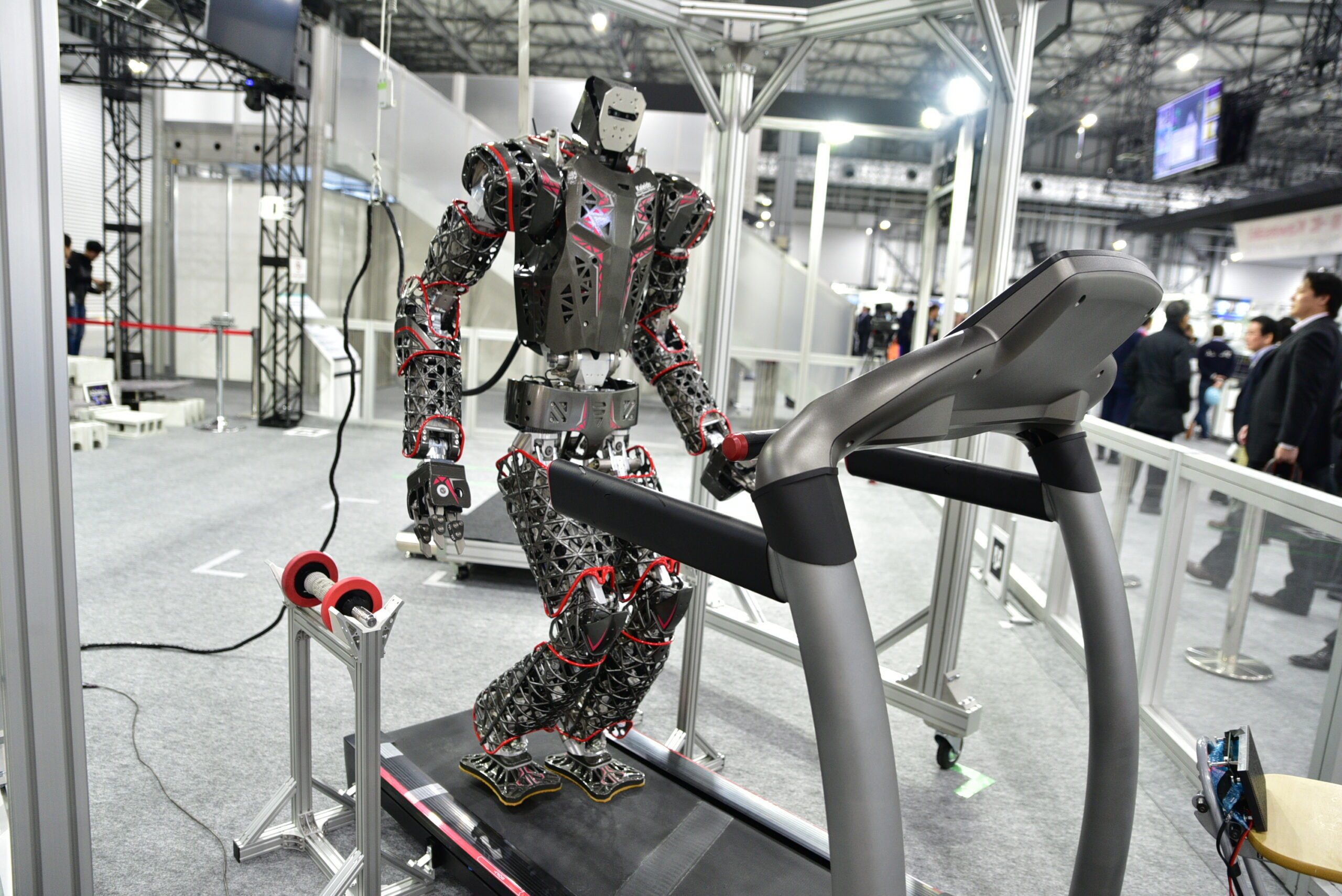
Those last two questions are where most humanoid sales decks go quiet. A six-axis arm from FANUC or KUKA ships with a known controller, a known safety architecture, and a spare-parts catalogue. A learning humanoid ships with a skill that may drift when lighting, gripper wear, or part mix changes. If the vendor cannot show how that skill is versioned, the robot is not a machine. It is a science project parked in a cell. A shared bench exists to make that difference visible in a week rather than after a two-year lighthouse.
The comparison that matters is therefore not Unitree versus Figure versus a nameless European biped. It is closed OEM hall versus public evaluation floor versus conference demo versus logistics handoff. Hyundai’s Robotics Metaplant Application Center in Savannah trains Atlas on automotive parts for Hyundai and Kia. That is a private production bet. It will produce process knowledge, but the knowledge stays inside the group. Humanoids Summit Seoul is a two-day market map. Useful for supplier scouting. Useless for a cycle-time card. Arrive AI’s 23 September investor event in Fishers, Indiana, shows autonomous mobile robots (AMRs) and drones exchanging parcels at Arrive Points. That is last-metre logistics infrastructure, which German plants already buy in more mature form from mobile-robot vendors. HREL is the only one of those same-week artefacts that a third-party Mittelstand firm can enter without first becoming a strategic customer.
Closed OEM halls scale one company’s line. Public benches scale a country’s ability to say no. That is the European bet, and it has a cost. A champion concentrates capital, talent, and export branding. A bench disperses them. Germany already has robot arms, reducers, sensors, and functional-safety law. What it has not had is a politically acceptable way for a 200-person factory to spend three days proving that a humanoid is the wrong tool. Without that off-ramp, every humanoid conversation collapses into either hype or blanket refusal. The sold-out Lemgo opening, and the waitlist that followed, is not proof that German plants will buy humanoids. It is proof they want a supervised way to stop guessing.
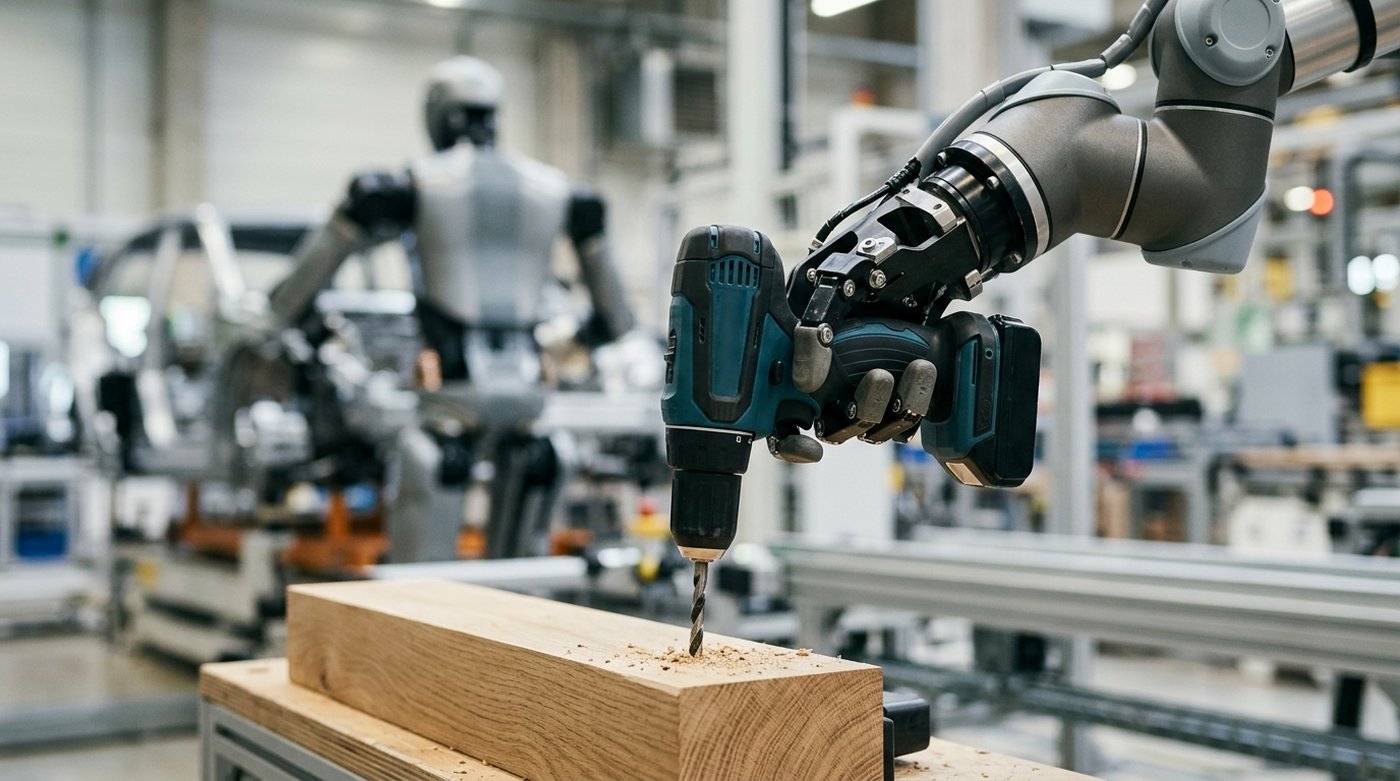
For a sourcing manager, the practical test is simple. If the task is a repeatable pick in a fenced cell, keep the arm. If the task needs a person-shaped workspace, mobility between stations, and grasping that changes every batch, a humanoid trial can be justified, but only with a scored protocol. Payload actually demonstrated. Reach. Cycle time. Recovery from slip. Stop behaviour when a person enters. Teleoperation versus autonomy. Data ownership. Model change log. Integration with omlox localisation, geo-fencing, and the plant’s existing programmable logic controller (PLC) network. Fraunhofer lists planar drives, omlox, 5G industrial radio, imitation learning, reinforcement learning, and transfer from NVIDIA Isaac Sim and MuJoCo. Those are the right nouns. They are not yet a published results table from 23 September, and they should not be treated as one.
The hard counterpoint is that evaluation capacity can become a substitute for industrial courage. Europe has a habit of building excellent test centres while Asia ships. A lab that only produces white papers will lose to a factory that produces units, even imperfect units. HREL only works if the IMPLEMENT step is real: a named plant, a named station, a named robot, a dated pilot, and a kill decision when the robot loses to a cobot. Institute director Prof. Dr.-Ing. habil. Jürgen Beyerer said in July that the point is to make physical AI experiencable, testable, and designable in messy rooms where people keep responsibility. That sentence should be read as a procurement standard, not a slogan. If people keep responsibility, the robot must leave a log a safety officer can defend.
There is a second trap. Defence and civil-security use cases in Karlsruhe will attract attention because they photograph well and sit close to budget politics. They are also the worst place to launder an immature platform into industry. A construction or disaster-response trial can tolerate teleoperation. A machining cell cannot. Keep the three sites intellectually separate in any buying memo. Lemgo is for handling economics. Karlsruhe is for unstructured risk. Ilmenau is for outdoor and municipal sensing. Mixing those briefs is how a plant ends up specifying a reconnaissance robot for a bin-pick.
A third trap sits in the calendar. Same-day coverage on 23 September also included broker notes on T-Robotics in Korea, where vacuum-robot recovery, energy storage logistics, and an industrial humanoid called TR-WORKS were bundled into a 2027 earnings story. That is a listed-company narrative, not a factory protocol. It is useful as a reminder that humanoid lines are being priced into small-cap models before they hold a shift. A bench exists to stop that pricing from migrating, untested, into a European capex file. If a vendor’s 2027 revenue assumes humanoid shipments, ask which independent lab ran the handling task and what failed. If the answer is a summit booth, the number is not a forecast. It is marketing with a fiscal year attached.
Think of HREL as a wind tunnel for a new airframe class. The tunnel does not certify the aircraft. It tells you whether the shape is even worth putting an engine on. China is already flying. Korea is holding an air show. The United States is letting one airline build a private runway. Germany built a tunnel and invited SMEs. If you are an automation buyer in ASEAN or Europe, the tunnel is the asset you can actually use this quarter. You cannot buy a Chinese listing. You cannot sit inside Hyundai’s metaplant. You can ask Fraunhofer whether your part, your fixture, and your safety file survive a humanoid afternoon.
The implied industrial policy is therefore conservative, and that is its advantage. Berlin does not need to pick a humanoid winner in 2026. It needs to stop German capital from treating every bipedal demo as either destiny or fraud. A shared bench creates a third category: not yet. Not yet is the only honest status for most factory humanoid pitches this year. The plants that learn to write that status into a vendor scorecard will spend less, buy later, and still be ready if a platform finally holds a shift.
Do not wait for a European Unitree. Wait for a European rejection letter with data attached. The first public hours of that process started in Lemgo. The useful follow-up is not another keynote. It is the first named SME that ran a handling trial, published the limits, and either issued a purchase order or walked back to the cobot it already owns.
The analysis synthesizes company statements and public market activity.
This article is for informational purposes only and does not constitute investment, procurement, or operational advice. Readers should verify all claims against primary documents and their own technical due diligence before making decisions.