
Mini Pi Plus vs Robovie-Z
High Torque Technology vs Vstone — specs, price, and data-backed comparison.
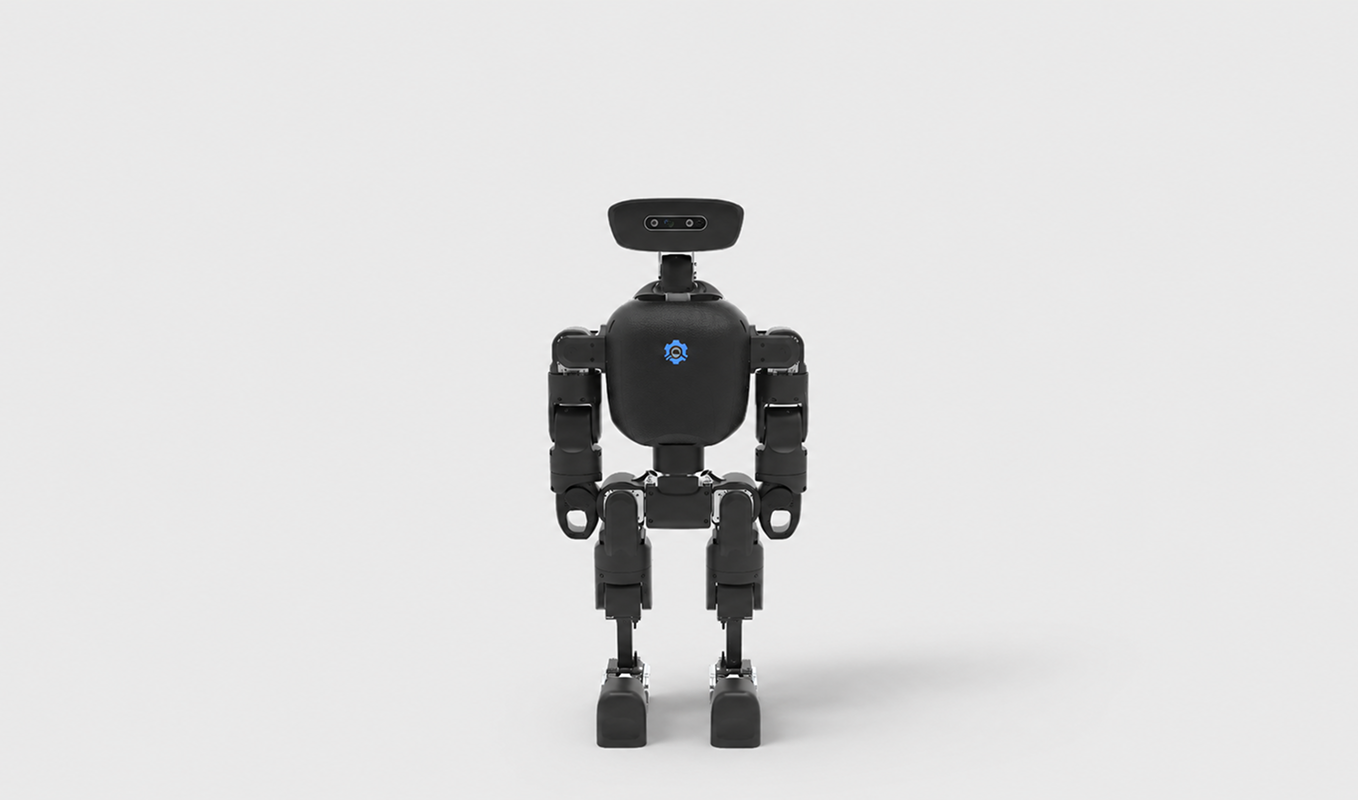
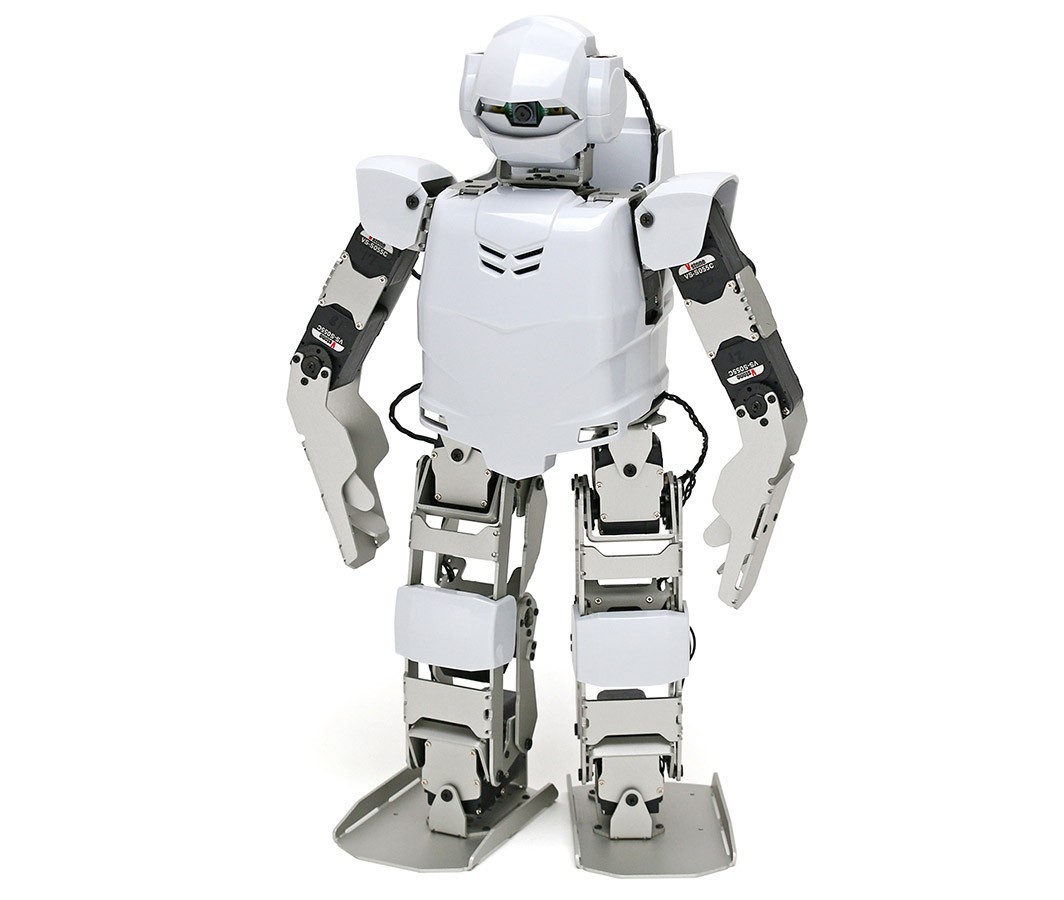
KURZFAZIT
- Mini Pi Plus ist mit $5,500 die günstigere Option, gegenüber ¥270,000 bei Robovie-Z.
- Mini Pi Plus bietet mehr Freiheitsgrade (23 vs. 20).
- Robovie-Z bietet die leichtere Bauweise (1.02 kg vs. 15 kg).
TECHNISCHE DATEN IM VERGLEICH
| Mini Pi Plus | Robovie-Z | |
|---|---|---|
| Hersteller | High Torque Technology | Vstone |
| Kategorie | Educational-Robots | Educational-Robots |
| Preis: | $5,500–$7,500 | ¥270,000 |
| Gewicht | 15 kg | 1.02 kg |
| Freiheitsgrade | 23 | 20 |
| Akkulaufzeit | 90 min | — |
| Konnektivität | CAN-FD across all joints; Bluetooth and Wi-Fi (Pi Plus); Bluetooth and WNIC (Pi Plus Pro); USB 3.0 x1, USB 2.0 x3 and HDMI 2.0 x1 (Pi Plus), Type-C x2, USB 2.0 x2 and HDMI 2.0 x1 (Pi Plus Pro) | — |
| Software / KI | Python and C++ SDK with ROS 1 and ROS 2 and full API documentation; complete URDF model published; compatible with NVIDIA Isaac Lab, NVIDIA Isaac Gym and MuJoCo; OTA and firmware upgrade; voice interaction | — |
Kaufberater und Preise
HÄUFIG GESTELLTE FRAGEN
Was ist der Unterschied zwischen Mini Pi Plus und Robovie-Z?
Mini Pi Plus wird von High Torque Technology hergestellt, Robovie-Z dagegen von Vstone. Beide gehören zur Kategorie „educational-robots“, daher beschränken sich die Unterschiede auf Preis und Spezifikationen.
Was ist günstiger, Mini Pi Plus oder Robovie-Z?
Mini Pi Plus ist günstiger und kostet $5,500, gegenüber ¥270,000 bei Robovie-Z.