
Mini Pi Plus vs Nino
High Torque Technology vs Sirena Technologies — specs, price, and data-backed comparison.
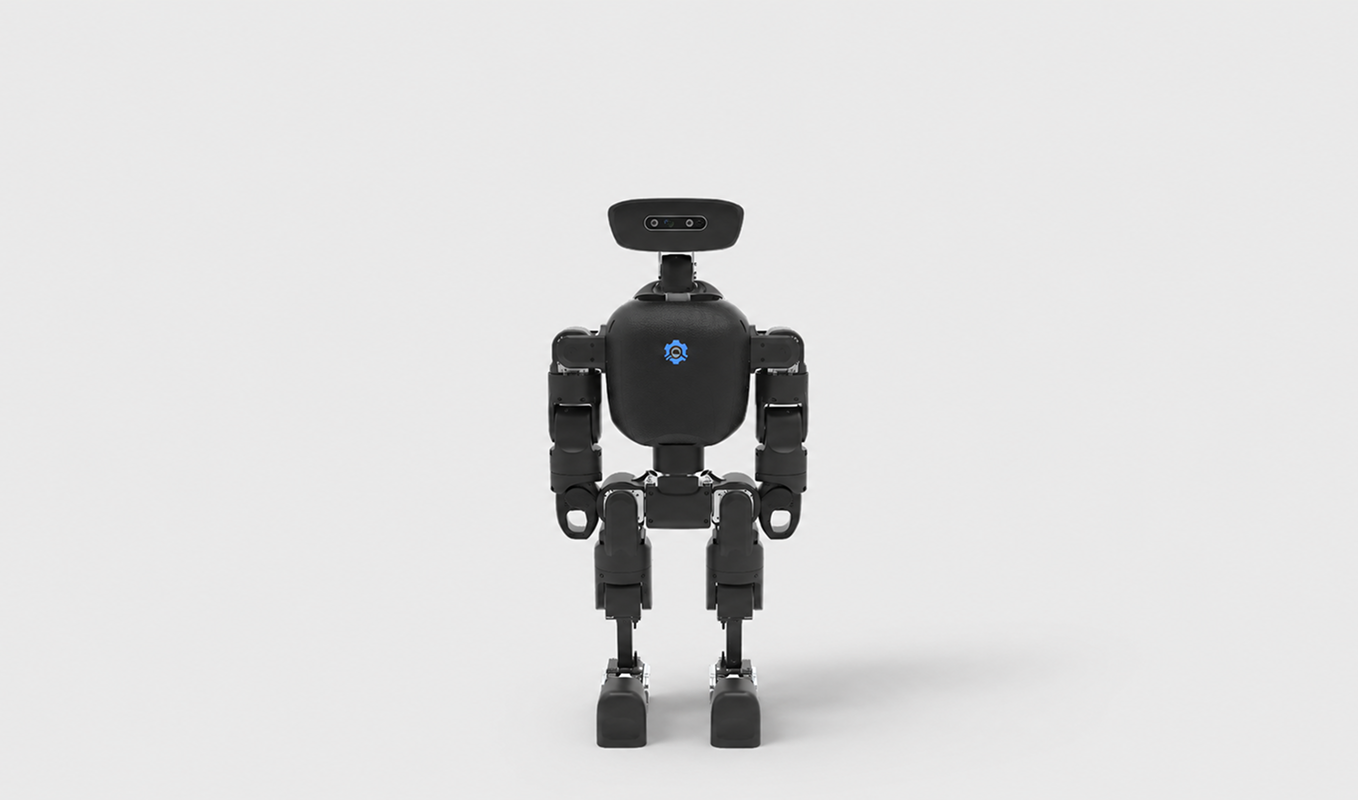
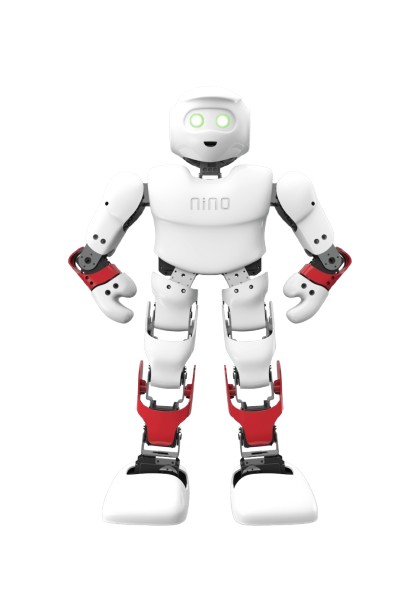
KURZFAZIT
- Nino offers the longer runtime (240 min vs 90 min).
- Mini Pi Plus offers the more degrees of freedom (23 vs 18).
- Nino offers the lighter build (5 kg vs 15 kg).
TECHNISCHE DATEN IM VERGLEICH
| Mini Pi Plus | Nino | |
|---|---|---|
| Hersteller | High Torque Technology | Sirena Technologies |
| Kategorie | Educational-Robots | Educational-Robots |
| Preis: | $5,500–$7,500 | Nicht angekündigt |
| Gewicht | 15 kg | 5 kg |
| Freiheitsgrade | 23 | 18 |
| Akkulaufzeit | 90 min | 240 min |
| Konnektivität | CAN-FD across all joints; Bluetooth and Wi-Fi (Pi Plus); Bluetooth and WNIC (Pi Plus Pro); USB 3.0 x1, USB 2.0 x3 and HDMI 2.0 x1 (Pi Plus), Type-C x2, USB 2.0 x2 and HDMI 2.0 x1 (Pi Plus Pro) | Wi-Fi, Bluetooth |
| Software / KI | Python and C++ SDK with ROS 1 and ROS 2 and full API documentation; complete URDF model published; compatible with NVIDIA Isaac Lab, NVIDIA Isaac Gym and MuJoCo; OTA and firmware upgrade; voice interaction | Android with Sirena SAINT AI framework |
Kaufberater und Preise
HÄUFIG GESTELLTE FRAGEN
What is the difference between the Mini Pi Plus and the Nino?
Mini Pi Plus is made by High Torque Technology, while Nino is made by Sirena Technologies. Both are educational-robotss, so the differences come down to price and specifications.
Which is cheaper, the Mini Pi Plus or the Nino?
The Mini Pi Plus is listed at $5,500; pricing for the Nino has not been publicly announced.
Which has the longer battery life, the Mini Pi Plus or the Nino?
The Nino has the higher runtime at about 240 minutes, compared to about 90 minutes for the Mini Pi Plus.