
Galileo C1 vs WUBA Tianlang Q10W
Galileo Technology vs WUBA Intelligent Technology — specs, price, and data-backed comparison.
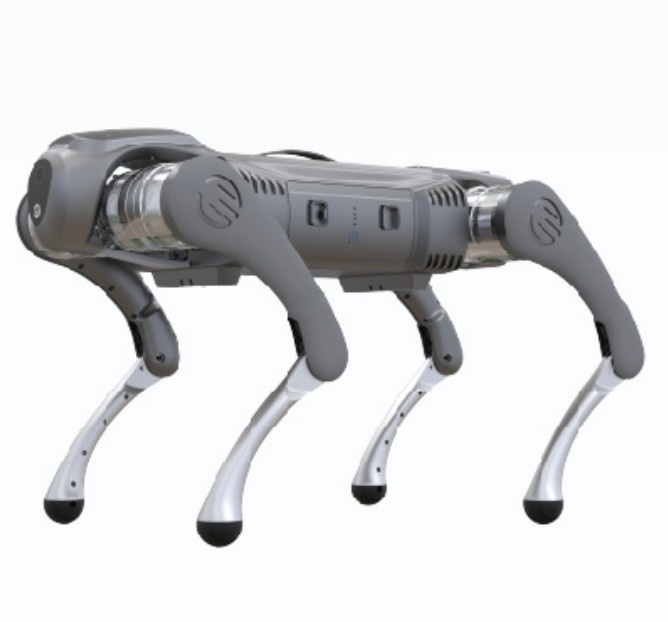
Galileo C1
Galileo Technology
Nicht angekündigt
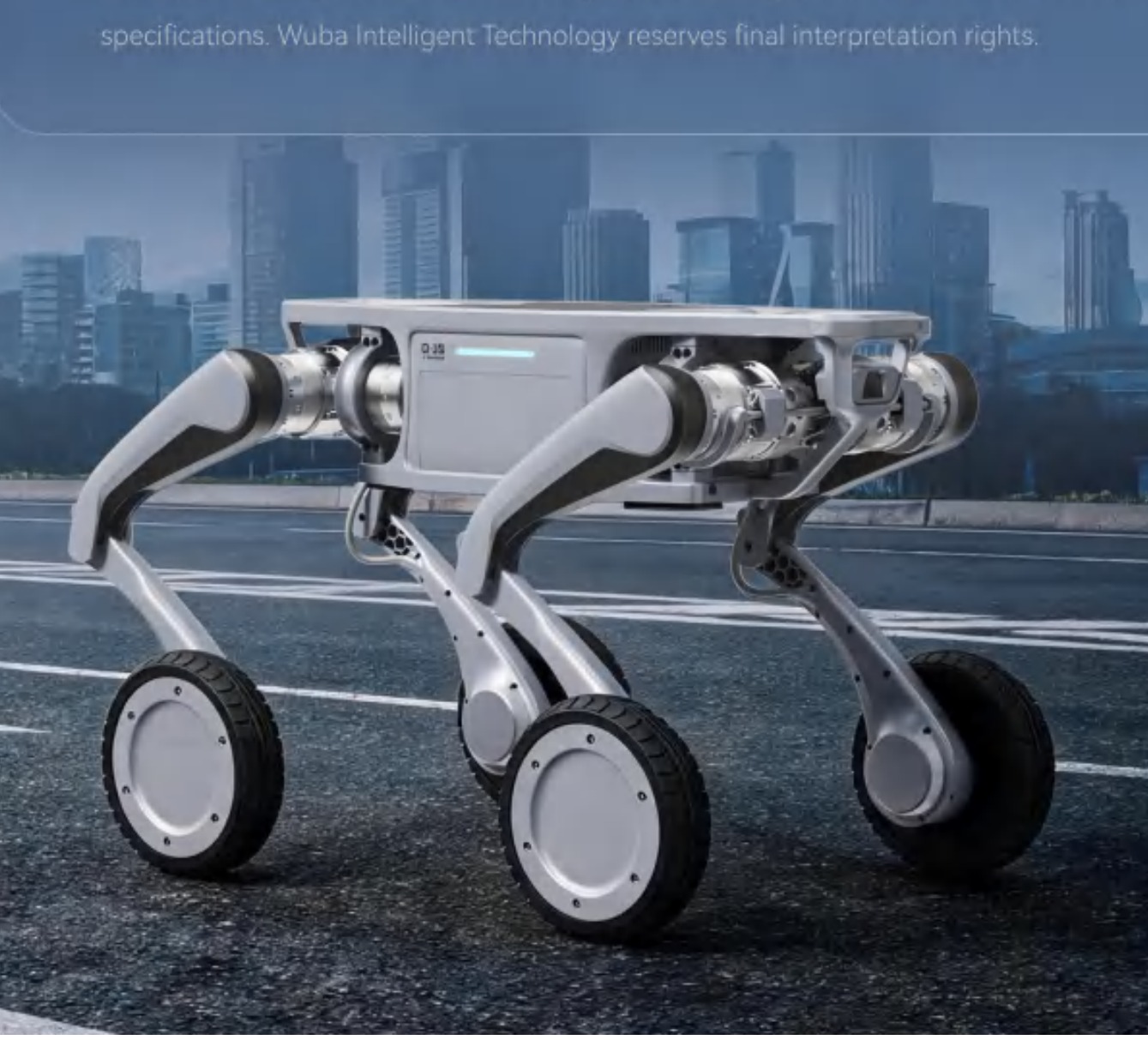
WUBA Tianlang Q10W
WUBA Intelligent Technology
Nicht angekündigt
KURZFAZIT
- WUBA Tianlang Q10W offers the higher payload (15 kg vs 12 kg).
- WUBA Tianlang Q10W offers the faster top speed (18 km/h vs 10.8 km/h).
- Galileo C1 offers the lighter build (22 kg vs 27 kg).
TECHNISCHE DATEN IM VERGLEICH
| Galileo C1 | WUBA Tianlang Q10W | |
|---|---|---|
| Hersteller | Galileo Technology | WUBA Intelligent Technology |
| Kategorie | Industrial-Robot | Research-Robots |
| Preis: | Nicht angekündigt | Nicht angekündigt |
| Gewicht | 22 kg | 27 kg |
| Traglast | 12 kg | 15 kg |
| Geschwindigkeit | 10.8 km/h | 18 km/h |
| Akkulaufzeit | 180 min | 180 min |
| Konnektivität | WiFi 6, optional 4G and 5G; Ethernet, USB and RS485 external interfaces | — |
| Software / KI | Autonomous navigation and obstacle avoidance with multi-sensor fusion | — |
HÄUFIG GESTELLTE FRAGEN
What is the difference between the Galileo C1 and the WUBA Tianlang Q10W?
Galileo C1 is made by Galileo Technology, while WUBA Tianlang Q10W is made by WUBA Intelligent Technology. Galileo C1 is a industrial-robot, while WUBA Tianlang Q10W is a research-robots.
Which has the higher payload, the Galileo C1 or the WUBA Tianlang Q10W?
The WUBA Tianlang Q10W has the higher payload at 15 kg, compared to 12 kg for the Galileo C1.
Which is faster, the Galileo C1 or the WUBA Tianlang Q10W?
The WUBA Tianlang Q10W has the higher top speed at 18 km/h, compared to 10.8 km/h for the Galileo C1.