
Fully Autonomous Counterbalance AMR vs ROBO Fork15
Navflex vs Nakanishi Metal Works (NKC) — specs, price, and data-backed comparison.
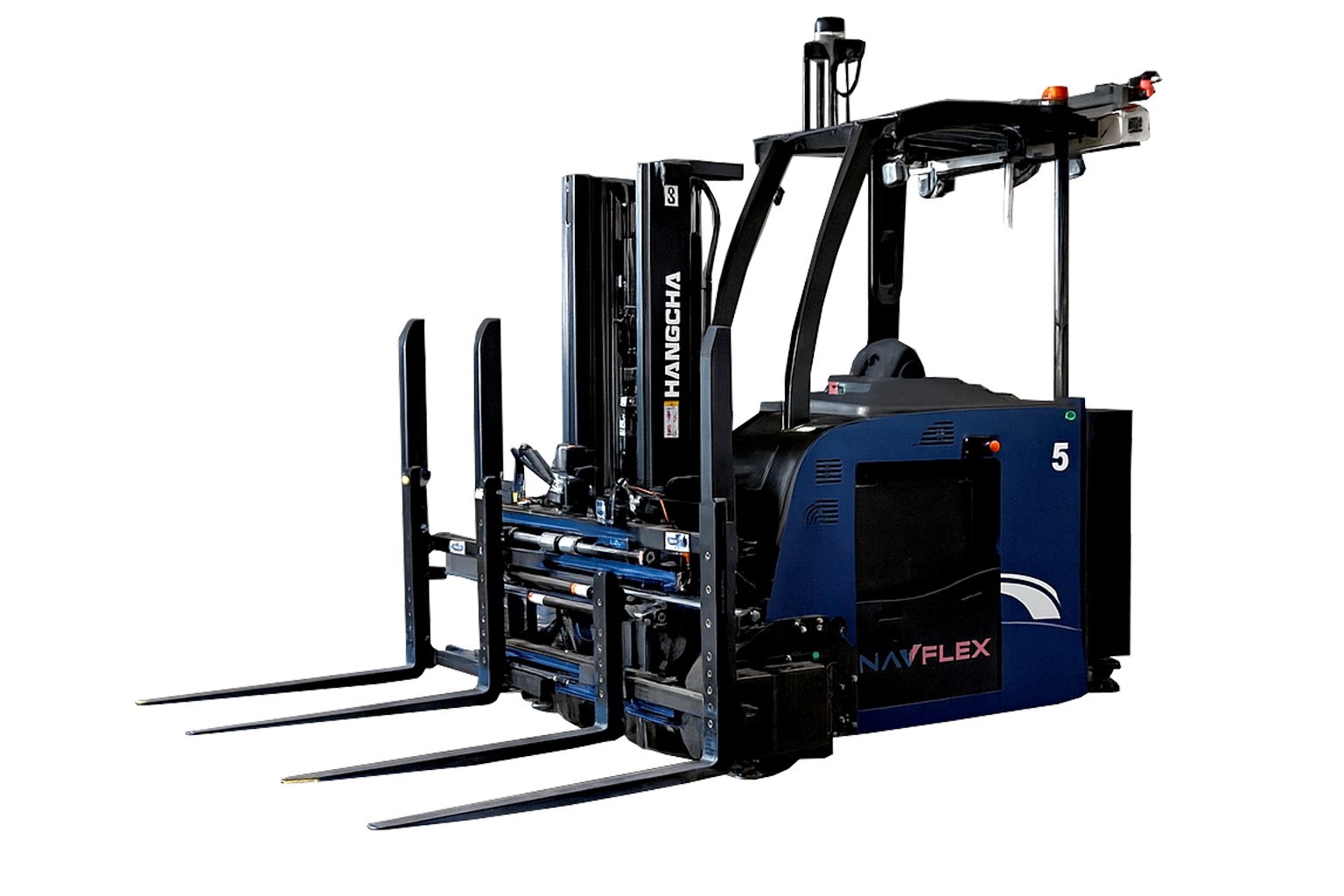
Fully Autonomous Counterbalance AMR
Navflex
Nicht angekündigt
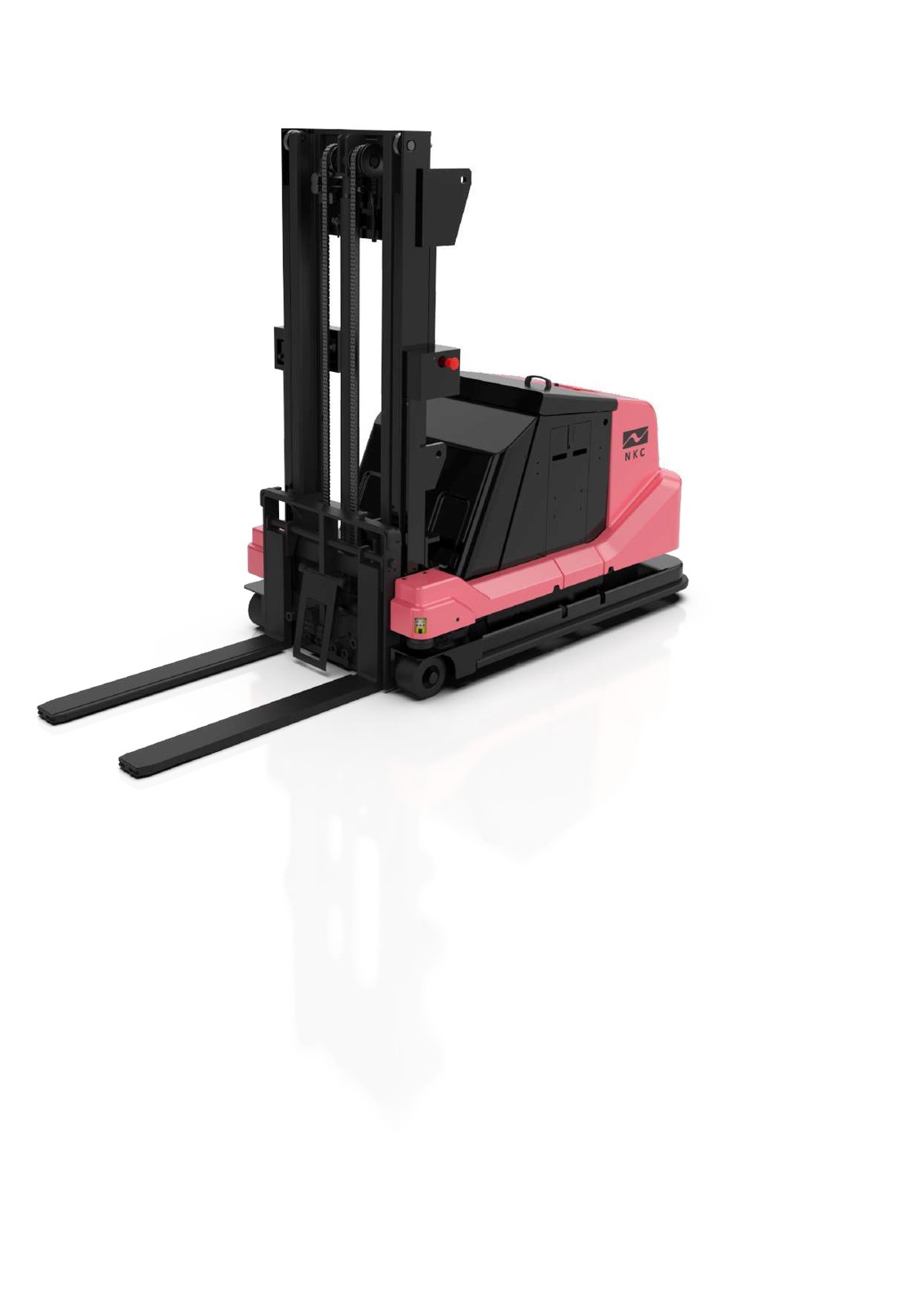
ROBO Fork15
Nakanishi Metal Works (NKC)
Nicht angekündigt
KURZFAZIT
- Fully Autonomous Counterbalance AMR offers the higher payload (2,000 kg vs 1,500 kg).
- Fully Autonomous Counterbalance AMR offers the faster top speed (6.84 km/h vs 3.6 km/h).
- Fully Autonomous Counterbalance AMR offers the larger battery (32.62 kWh vs 4.82 kWh).
- ROBO Fork15 offers the lighter build (1,915 kg vs 4,957 kg).
TECHNISCHE DATEN IM VERGLEICH
| Fully Autonomous Counterbalance AMR | ROBO Fork15 | |
|---|---|---|
| Hersteller | Navflex | Nakanishi Metal Works (NKC) |
| Kategorie | Industrial-Robot | Industrial-Robot |
| Preis: | Nicht angekündigt | Nicht angekündigt |
| Gewicht | 4,957 kg | 1,915 kg |
| Traglast | 2,000 kg | 1,500 kg |
| Geschwindigkeit | 6.84 km/h | 3.6 km/h |
| Akkulaufzeit | Lithium-ion 36 V 906 Ah (UL-rated, maintenance-free) | 300 min |
| Konnektivität | — | Wireless LAN |
| Software / KI | — | NKC PC route-setting and fleet management |
Kaufberater und Preise
HÄUFIG GESTELLTE FRAGEN
What is the difference between the Fully Autonomous Counterbalance AMR and the ROBO Fork15?
Fully Autonomous Counterbalance AMR is made by Navflex, while ROBO Fork15 is made by Nakanishi Metal Works (NKC). Both are industrial-robots, so the differences come down to price and specifications.
Which has the higher payload, the Fully Autonomous Counterbalance AMR or the ROBO Fork15?
The Fully Autonomous Counterbalance AMR has the higher payload at 2,000 kg, compared to 1,500 kg for the ROBO Fork15.
Which is faster, the Fully Autonomous Counterbalance AMR or the ROBO Fork15?
The Fully Autonomous Counterbalance AMR has the higher top speed at 6.84 km/h, compared to 3.6 km/h for the ROBO Fork15.