
Apollo vs Galileo Ex2
MirrorMe Technology vs Galileo Technology — specs, price, and data-backed comparison.
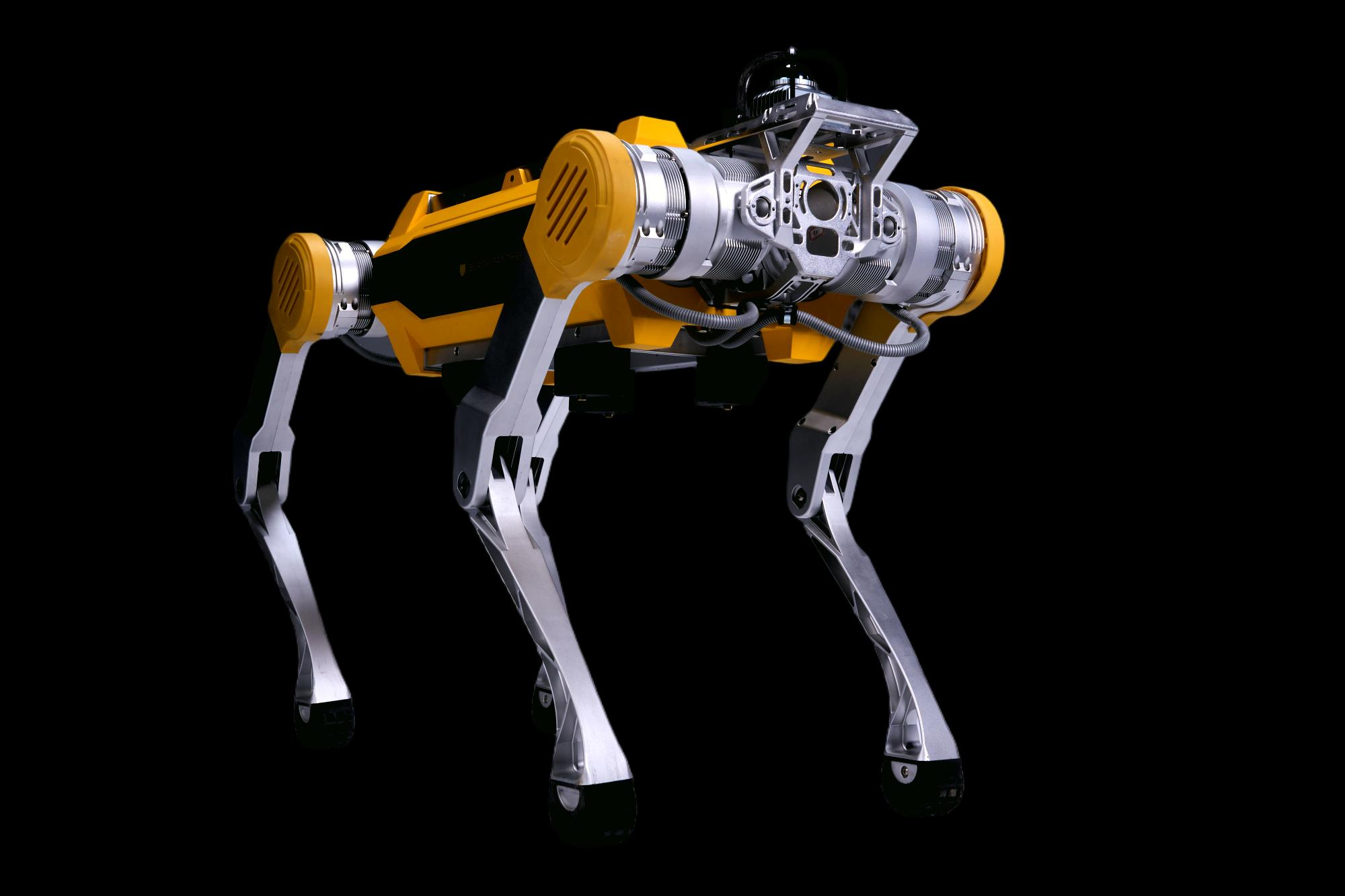
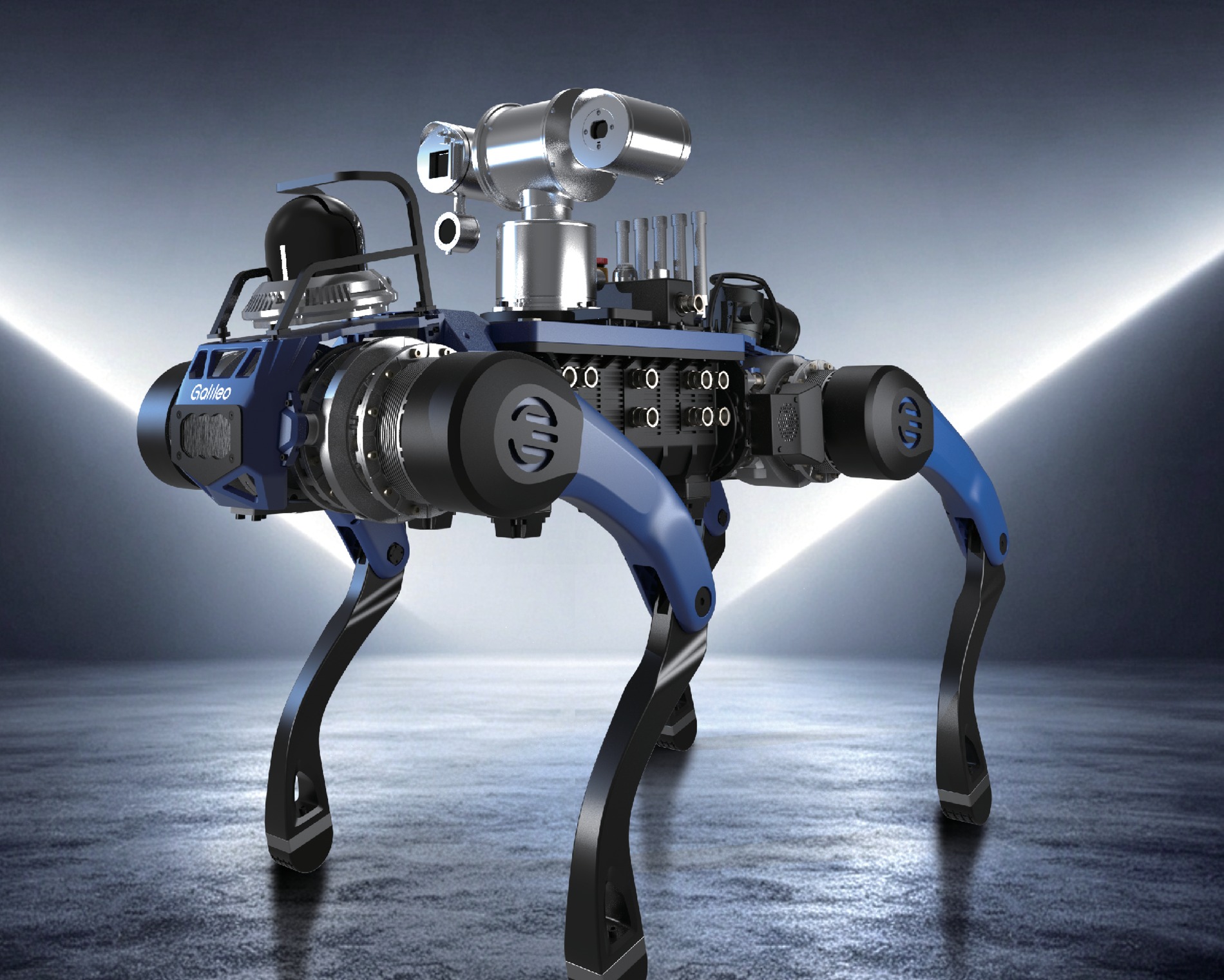
KURZFAZIT
- Galileo Ex2 offers the higher payload (100 kg vs 50 kg).
- Apollo offers the faster top speed (18 km/h vs 5.4 km/h).
- Galileo Ex2 offers the longer runtime (420 min vs 360 min).
- Apollo offers the lighter build (65 kg vs 120 kg).
TECHNISCHE DATEN IM VERGLEICH
| Apollo | Galileo Ex2 | |
|---|---|---|
| Hersteller | MirrorMe Technology | Galileo Technology |
| Kategorie | Industrial-Robot | Industrial-Robot |
| Preis: | Nicht angekündigt | Nicht angekündigt |
| Gewicht | 65 kg | 120 kg |
| Traglast | 50 kg | 100 kg |
| Freiheitsgrade | 12 | 12 |
| Geschwindigkeit | 18 km/h | 5.4 km/h |
| Akkulaufzeit | 360 min | 420 min |
| Software / KI | — | AI decision-making algorithms for real-time path planning, obstacle avoidance, target tracking and material transport; remote teleoperation |
Kaufberater und Preise
HÄUFIG GESTELLTE FRAGEN
What is the difference between the Apollo and the Galileo Ex2?
Apollo is made by MirrorMe Technology, while Galileo Ex2 is made by Galileo Technology. Both are industrial-robots, so the differences come down to price and specifications.
Which has the higher payload, the Apollo or the Galileo Ex2?
The Galileo Ex2 has the higher payload at 100 kg, compared to 50 kg for the Apollo.
Which is faster, the Apollo or the Galileo Ex2?
The Apollo has the higher top speed at 18 km/h, compared to 5.4 km/h for the Galileo Ex2.
Which has the longer battery life, the Apollo or the Galileo Ex2?
The Galileo Ex2 has the higher runtime at about 420 minutes, compared to about 360 minutes for the Apollo.