Washington's Robot Ban Has Cleared Exactly Two Companies, and Neither Is Chinese
Seven weeks after the FCC added foreign-made robots to its national-security Covered List, the only two device families cleared for exemption are a Swedish lawn mower maker and an Indian warehouse-robot startup, not the Chinese humanoid producers the rule is widely assumed to target, exposing a gap between the policy's framing and its actual early effect on buyers and vendors.


Washington built a wall against foreign robots seven weeks ago. The first two machines that found the gate in it were not a humanoid and not a Chinese quadruped. They were a lawn mower and a warehouse robot.
On July 28, the Federal Communications Commission added "foreign-produced advanced robotic devices" to its Covered List, the roster of equipment the government has decided poses an unacceptable risk to US national security. Everything on that list is effectively frozen out of new FCC equipment authorizations unless the Department of War grants it a Conditional Approval first. It is the same mechanism the government has already used on drones, then on routers, then on power inverters, and now on robots. Seven weeks after robots joined the list, the FCC's own September 18 public notice shows exactly two device families that have made it through: Husqvarna's Automower iQ-series robotic lawn mowers, cleared September 9, and three ANSCER Robotics autonomous mobile platforms, cleared the same day the notice was published.
A 337-year-old Swedish lawn-equipment maker and a Bengaluru warehouse-robot startup are, at this writing, the entire population of foreign robotics vendors Washington has certified as not a threat.
No Chinese humanoid brand is on the list. No Korean, Japanese, or European quadruped maker is on it either. If you run procurement for a facility anywhere outside the United States and you have been told a supplier is "US compliant" on robotics, the honest next question is: compliant with what, exactly, and cleared by whom.
A Rule Built for One Country, Passing Through Two Others First
The FCC's Covered List does not name China. It targets "foreign-produced advanced robotic devices" as a category, built on a National Security Determination from an unnamed interagency body. That drafting choice was almost certainly deliberate, since naming a country invites a different kind of legal and diplomatic fight than naming a technology category. But categories do not discriminate the way policy intent does, and the review queue behind the rule has processed whoever filed first and cleanest, not whoever the rule was aimed at.
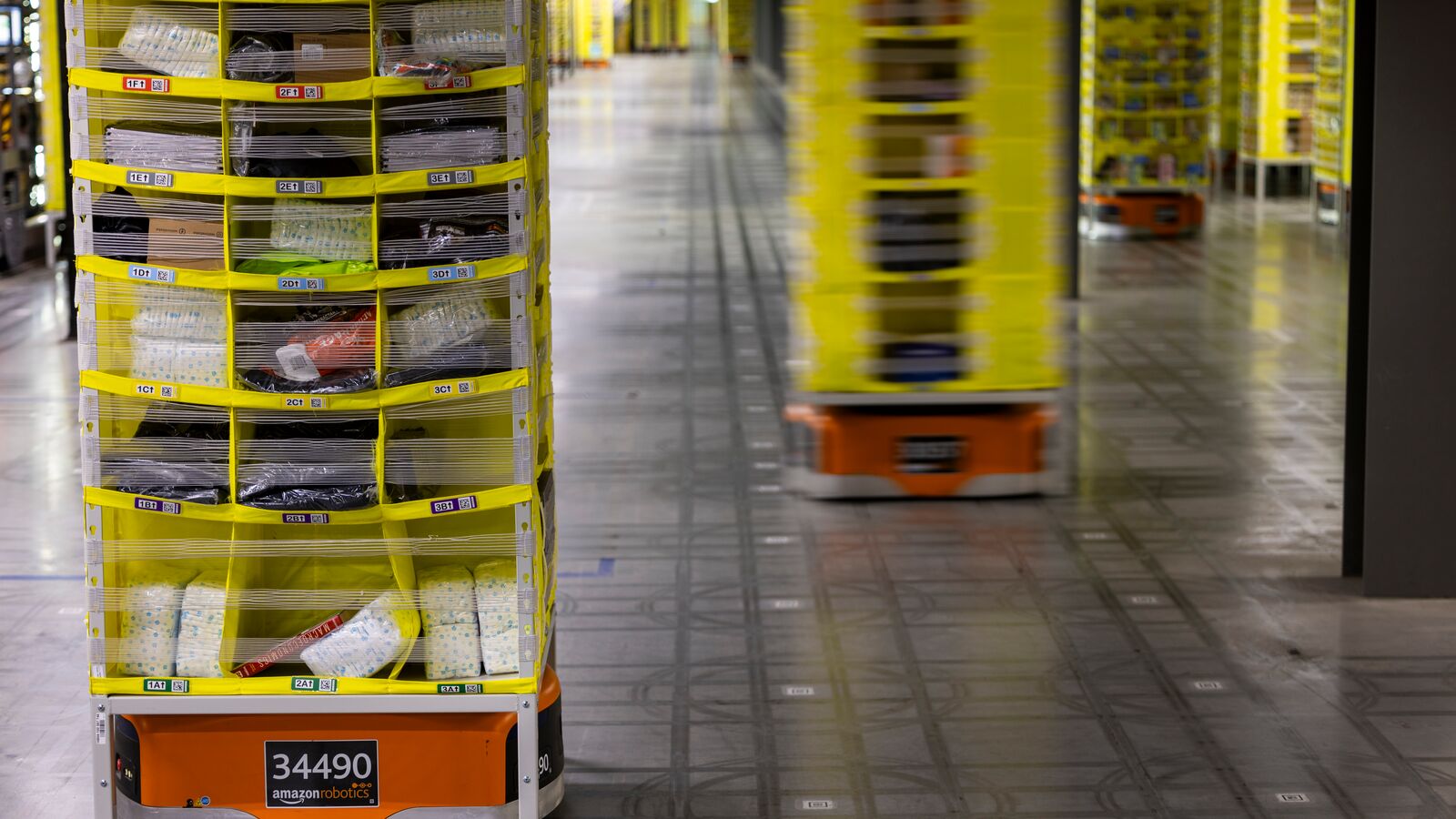
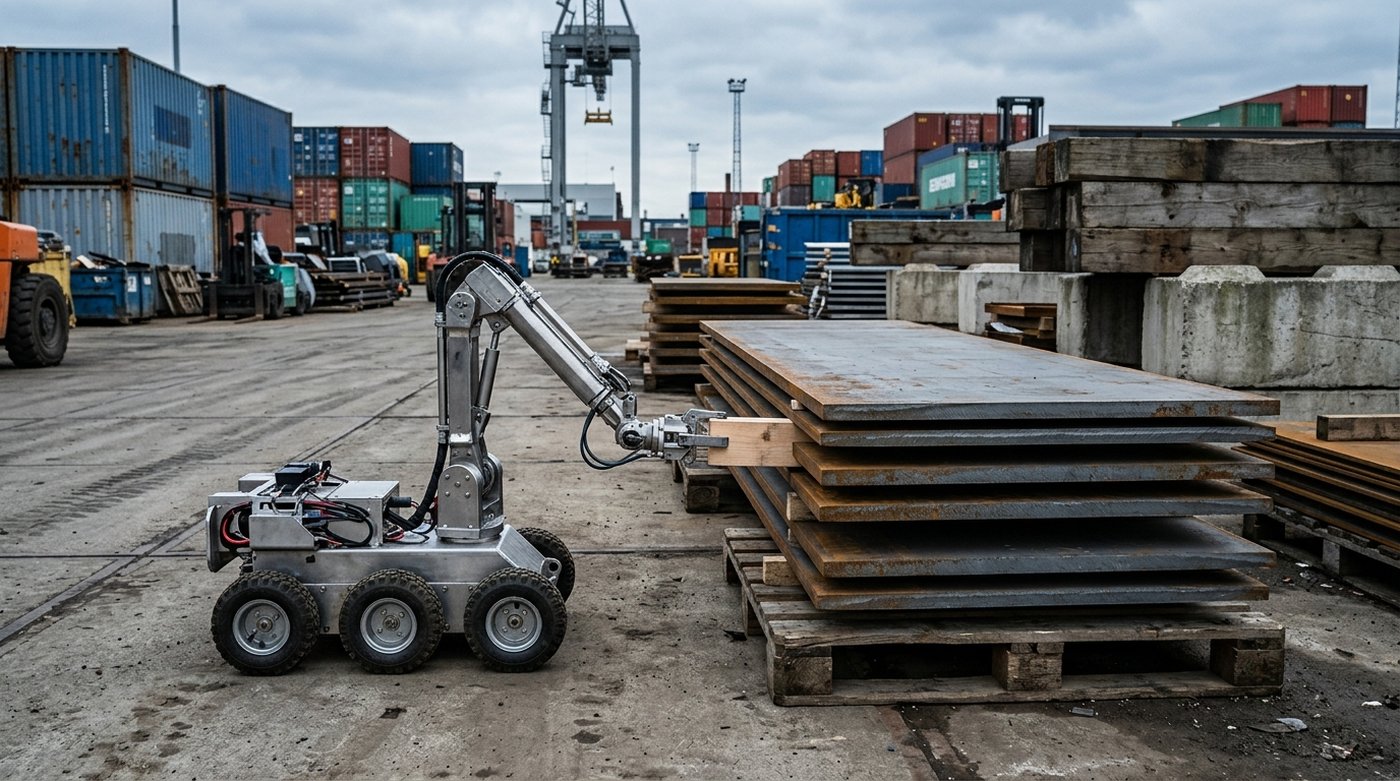
Husqvarna filed a straightforward case: a company incorporated in Sweden, a NATO member and a security partner, selling machines that trim grass in suburban yards. ANSCER's approval is more instructive, because it is closer to the industrial categories the rule actually worries about. ANSCER designs, engineers, and validates its AR250, AR650, and AR1250 platforms in India, robots built to move pallets and trolleys at up to 1,250 kilograms across factory floors, and its exemption is conditioned on continuing compliance with an onshoring plan the FCC has not made public. India is not a defense treaty ally in the way NATO members are, but it is squarely inside the geopolitical camp the rule is designed to reward. Two allied-country vendors, in other words, not two accidents.
What the Empty Half of the List Says
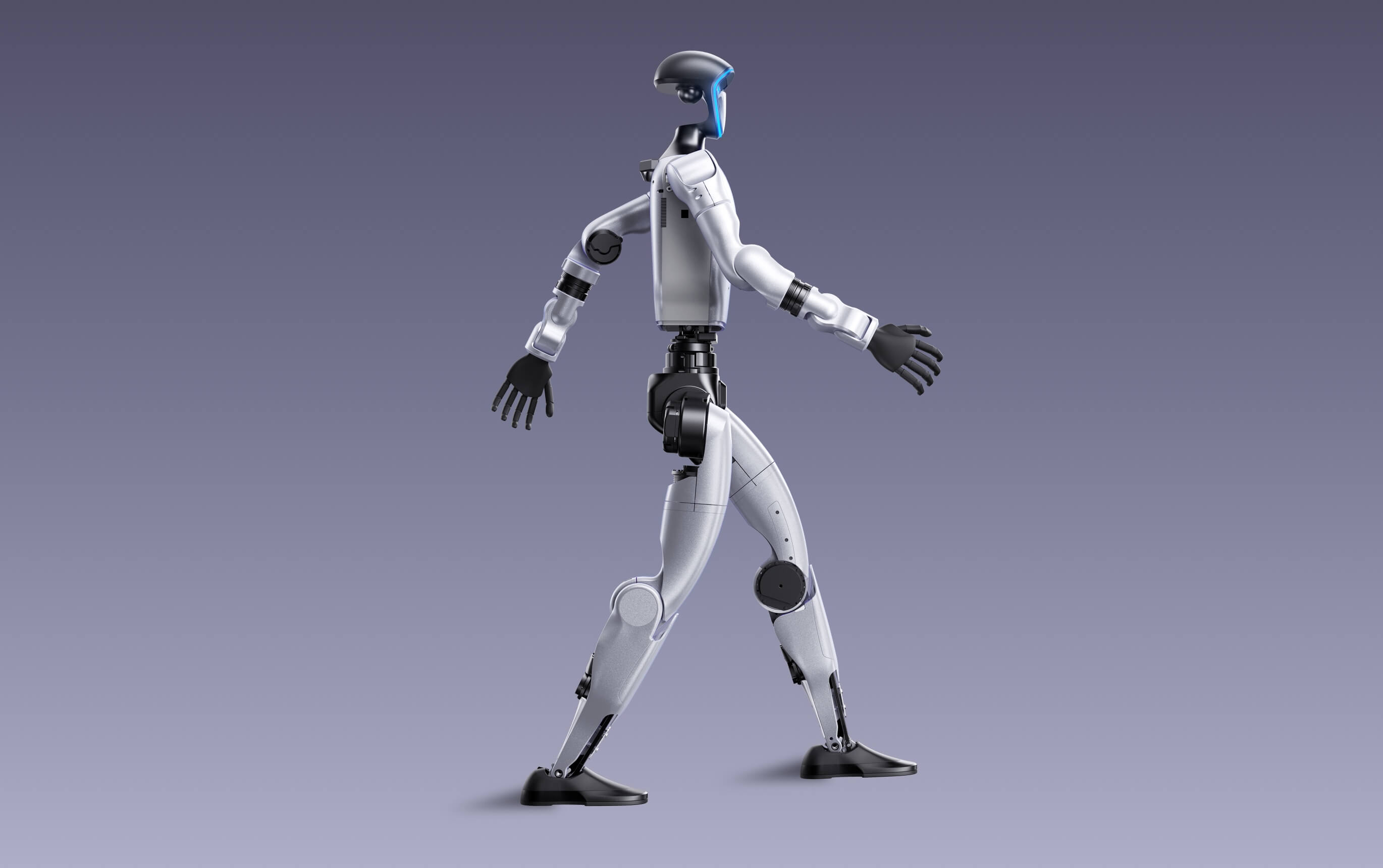
Here is the sharper fact: no Chinese-brand device sits anywhere in the robotics column of the FCC's Conditional Approval registry, and neither does any major humanoid or general-purpose quadruped maker from any country. China's leading humanoid producers, the companies whose factory output is the reason this rule exists at all, are not competing for entry through this gate. They do not need to, because they are not yet selling finished humanoids at volume into the segment of the US market this rule actually gates, and the rule was never going to be the instrument that stops a company from building humanoids for its home and adjacent markets.
That is the part the "wall against China" framing misses. This rule is not currently doing anything to the companies people assume it targets. What it is doing is adding friction, model by model, to the handful of foreign vendors who were already trying to sell compliant hardware into the United States in good faith.
Husqvarna and ANSCER did not benefit from the policy. They absorbed its administrative cost first, while its intended target has not yet had to show up at all.
The Company Borrowing a Badge It Was Never Issued
Faraday Future's timing made the gap between rhetoric and registry hard to miss. The Nasdaq-listed company, better known for a decade of undelivered electric vehicles than for shipped robots, held its "919" launch event in Gardena, California on September 19 and told the market its Aegis quadruped had completed full compliance certification in the United States. That claim sits in the same week, and reads in the same tone, as the Covered List story, but it describes a different regulatory action. Faraday Future is a US-incorporated company; the July 28 addition targets foreign-produced devices, and the Conditional Approval track that actually appears in the FCC's public notice lists Husqvarna and ANSCER, not Faraday Future. A domestic equipment certification and a foreign-manufacturer national-security exemption are not the same clearance, even when a press release lets the two blur together.
The blur is doing work for a company that needs it. Faraday Future executed a 1-for-150 reverse stock split in July to keep its Nasdaq listing, a company whose founder has personally filed for bankruptcy, and whose robotics division has sold 552 units cumulatively through August against a 2,000-unit target for the year. Wrapping a routine certification in the language of the same national-security moment protecting Husqvarna and ANSCER is a marketing decision, not a regulatory one. It costs nothing to imply, and it borrows credibility the company has not yet earned on the actual list.
Why This Should Change How You Read a Compliance Claim
I track vendor filings and product specifications for a living, from a base in the Philippines rather than San Francisco or Shenzhen, and the lesson from this rule so far is a procurement lesson, not a geopolitics lesson. When a supplier tells you it is "cleared" for the US market on robotics grounds, the only claim worth trusting is a name that actually appears in Appendix B of the FCC's own Covered List notice, tied to a specific model number, with a specific approval date. Everything else, however confidently stated, is marketing occupying the same emotional register as a real determination.
That distinction matters more, not less, outside the United States. ASEAN buyers importing robotics hardware routed through US-facing supply chains, whether that hardware carries a US brand, a Chinese one, or something in between, will increasingly inherit compliance categories written for an American national-security argument that has nothing to do with a warehouse in Laguna or a port in Batangas. A rule that currently distinguishes almost nothing about actual capability, only about who filed paperwork first, is a rule that regional buyers should read literally rather than take on faith from a vendor's investor deck.
What Actually Resolves This
The honest test of whether this policy becomes a real industrial lever, rather than a slow-moving compliance filter, is who shows up in Appendix B next. A major humanoid or quadruped maker, allied or otherwise, clearing Conditional Approval would signal the rule has started doing the job it was written for. Faraday Future's own next checkpoint arrives September 28 through 30, when it exhibits at IROS 2026 in Pittsburgh and runs the second half of its "Built in USA" partner conference aimed at recruiting the very domestic manufacturing relationships that would make its compliance claims match the registry rather than merely echo it. Until then, the most accurate thing anyone can say about Washington's wall against foreign robots is that it currently keeps out almost nothing and has, so far, only let through a lawn mower and a forklift's smaller cousin.
This analysis reflects the author's own reading of public FCC filings, company disclosures, and product documentation. It is for general information purposes only and does not constitute legal, regulatory, or investment advice.
Hero image credit: Husqvarna, from the company's own Automower iQ-series product photography.