
Galileo E1-W vs Hypertron SW01
Galileo Technology vs ASTRALL Dynamics (XuanJi 璇玑动力) — specs, price, and data-backed comparison.
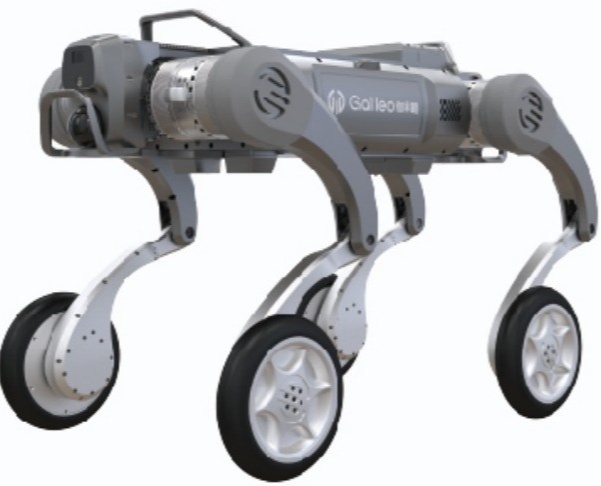
Galileo E1-W
Galileo Technology
Não divulgado
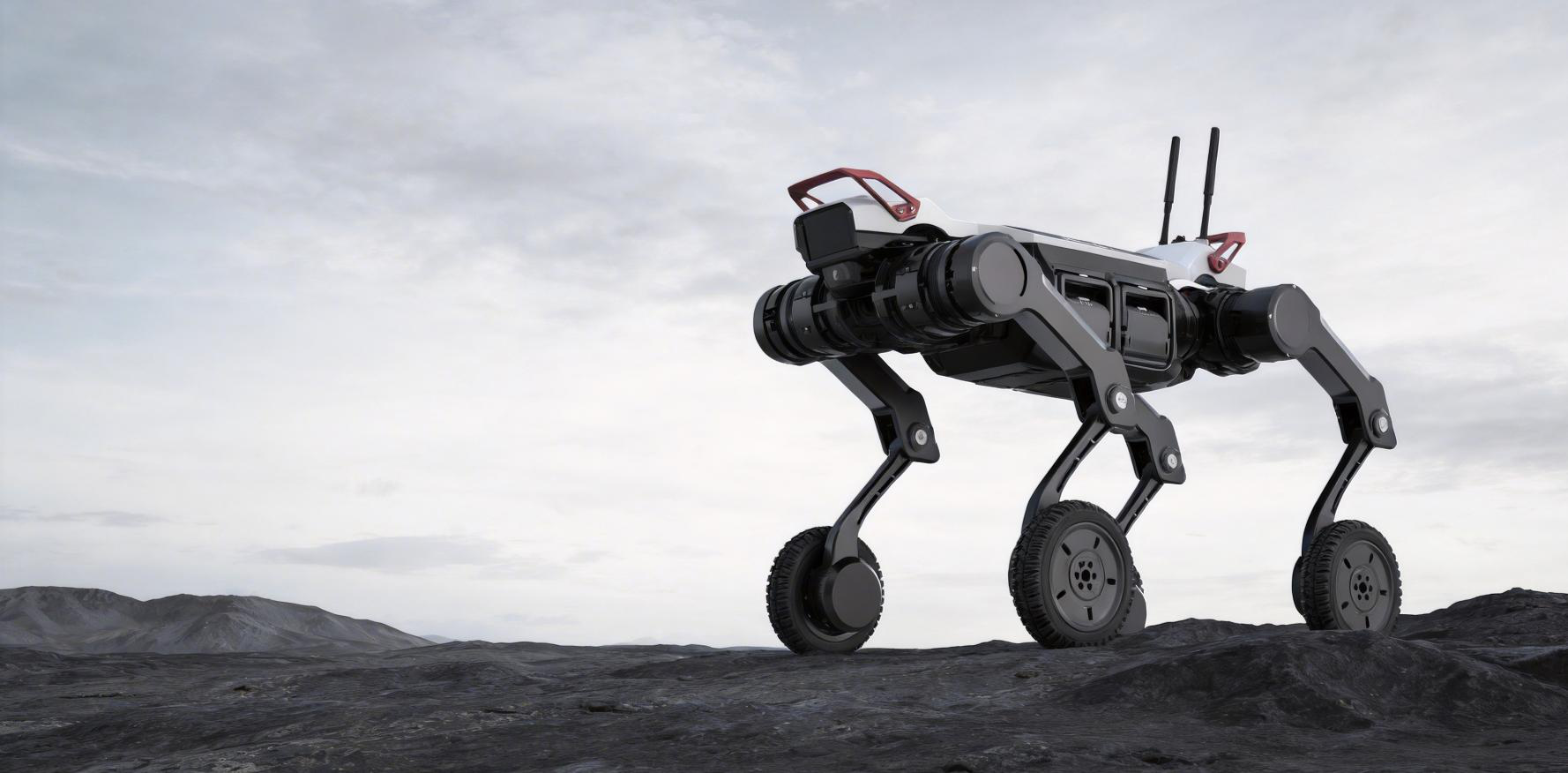
Hypertron SW01
ASTRALL Dynamics (XuanJi 璇玑动力)
Não divulgado
RESUMO RÁPIDO
- Hypertron SW01 oferece a maior carga útil (50 kg contra 30 kg).
- Hypertron SW01 oferece a maior velocidade máxima (28.8 km/h contra 21.6 km/h).
- Hypertron SW01 oferece a maior autonomia (360 min contra 150 min).
- Hypertron SW01 oferece a construção mais leve (47 kg contra 60 kg).
COMPARAÇÃO DE ESPECIFICAÇÕES
| Galileo E1-W | Hypertron SW01 | |
|---|---|---|
| Empresa | Galileo Technology | ASTRALL Dynamics (XuanJi 璇玑动力) |
| Categoria | Industrial-Robot | Industrial-Robot |
| Preço: | Não divulgado | Não divulgado |
| Peso | 60 kg | 47 kg |
| Carga útil | 30 kg | 50 kg |
| Graus de liberdade | — | 16 |
| Velocidade | 21.6 km/h | 28.8 km/h |
| Autonomia da bateria | 150 min | 360 min |
| Conectividade | WiFi 6, optional 4G and 5G; Ethernet, USB and RS485 external interfaces | Smart controller with up to 15 km transmission range and 2 km ground control range |
| Software / IA | Autonomous navigation and obstacle avoidance with multi-sensor fusion | Autonomous navigation, automatic obstacle avoidance and AI-enabled terrain adaptation |
Guias de compra e preços
PERGUNTAS FREQUENTES
Qual é a diferença entre o Galileo E1-W e o Hypertron SW01?
Galileo E1-W é fabricado pela Galileo Technology, enquanto Hypertron SW01 é fabricado pela ASTRALL Dynamics (XuanJi 璇玑动力). Ambos são da categoria industrial-robot, então as diferenças se resumem a preço e especificações.
Qual tem a maior carga útil, o Galileo E1-W ou o Hypertron SW01?
O Hypertron SW01 tem a maior carga útil, com 50 kg, contra 30 kg do Galileo E1-W.
Qual é mais rápido, o Galileo E1-W ou o Hypertron SW01?
O Hypertron SW01 tem a maior velocidade máxima, com 28.8 km/h, contra 21.6 km/h do Galileo E1-W.
Qual tem a maior autonomia de bateria, o Galileo E1-W ou o Hypertron SW01?
O Hypertron SW01 tem a maior autonomia, com cerca de 360 minutos, contra cerca de 150 minutos do Galileo E1-W.