
Galileo E1 vs Jueying Lite3
Galileo Technology vs DEEP Robotics (Hangzhou Yunshenchu Technology Co., Ltd.) — specs, price, and data-backed comparison.
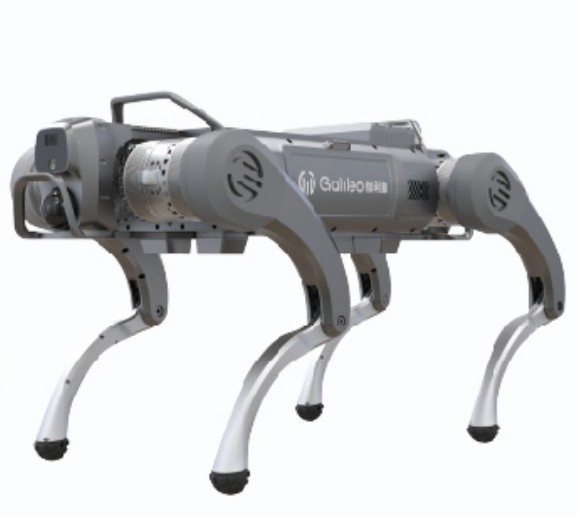
Galileo E1
Galileo Technology
Não divulgado
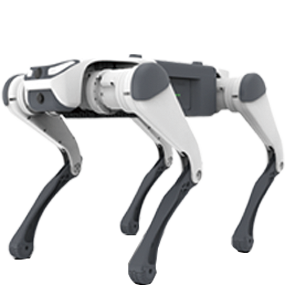
Jueying Lite3
DEEP Robotics (Hangzhou Yunshenchu Technology Co., Ltd.)
Não divulgado
RESUMO RÁPIDO
- Jueying Lite3 oferece a maior carga útil (33 kg contra 30 kg).
COMPARAÇÃO DE ESPECIFICAÇÕES
| Galileo E1 | Jueying Lite3 | |
|---|---|---|
| Empresa | Galileo Technology | DEEP Robotics (Hangzhou Yunshenchu Technology Co., Ltd.) |
| Categoria | Industrial-Robot | Quadruped |
| Preço: | Não divulgado | Não divulgado |
| Peso | 50 kg | Approx. 12 kg |
| Carga útil | 30 kg | 33 kg |
| Velocidade | 14.4 km/h | — |
| Autonomia da bateria | 150 min | Approx. 2–4 hrs |
| Tempo de carregamento | — | Approx. 2–3 hrs |
| Conectividade | WiFi 6, optional 4G and 5G; Ethernet, USB and RS485 external interfaces | Wi-Fi, Ethernet, Optional 4G/5G |
| Software / IA | Autonomous navigation and obstacle avoidance with multi-sensor fusion | DEEP Robotics Motion Control Platform |
Guias de compra e preços
PERGUNTAS FREQUENTES
Qual é a diferença entre o Galileo E1 e o Jueying Lite3?
Galileo E1 é fabricado pela Galileo Technology, enquanto Jueying Lite3 é fabricado pela DEEP Robotics (Hangzhou Yunshenchu Technology Co., Ltd.). Galileo E1 é um industrial-robot, enquanto Jueying Lite3 é um quadruped.
Qual tem a maior carga útil, o Galileo E1 ou o Jueying Lite3?
O Jueying Lite3 tem a maior carga útil, com 33 kg, contra 30 kg do Galileo E1.