
Galileo C1 vs X30
Galileo Technology vs DEEP Robotics (Hangzhou Yunshenchu Technology Co., Ltd.) — specs, price, and data-backed comparison.
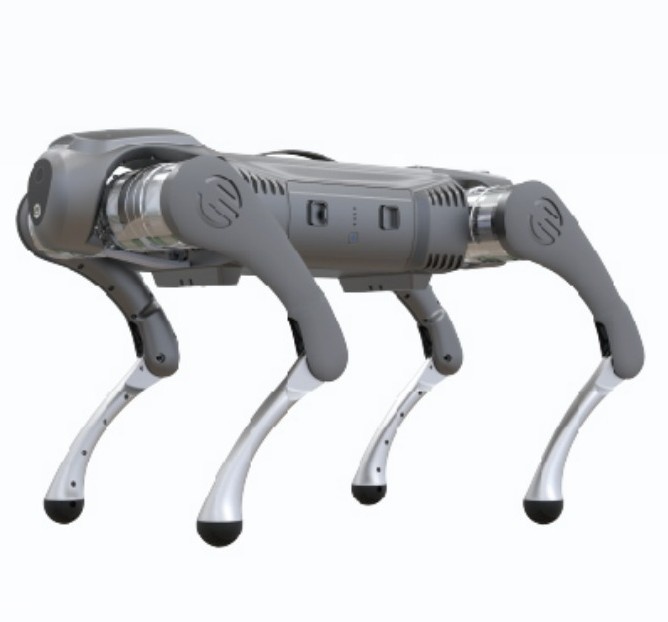
Galileo C1
Galileo Technology
Não divulgado
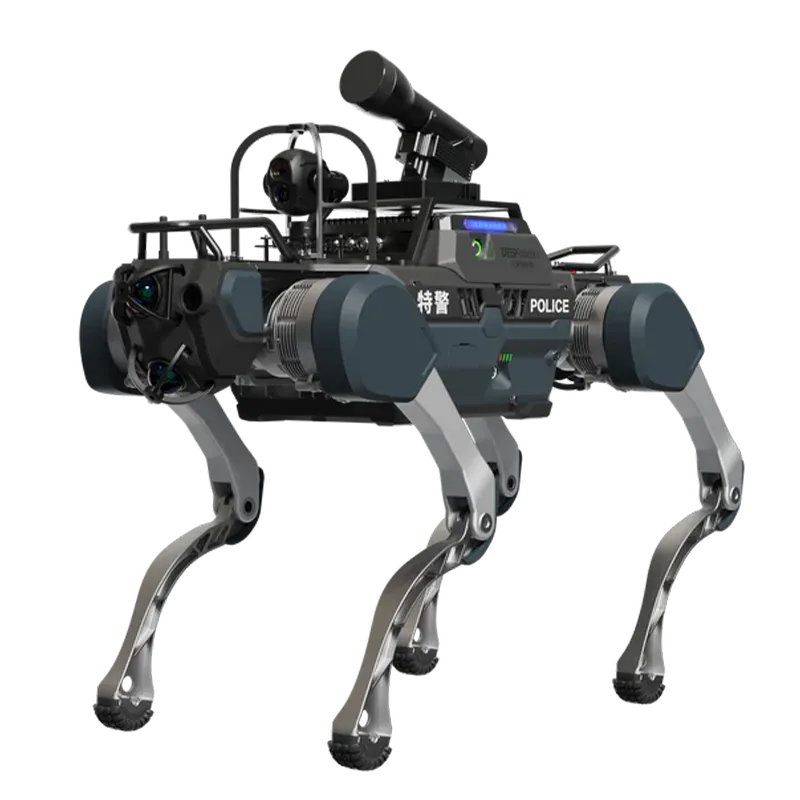
X30
DEEP Robotics (Hangzhou Yunshenchu Technology Co., Ltd.)
Não divulgado
RESUMO RÁPIDO
- X30 oferece a maior carga útil (20 kg contra 12 kg).
COMPARAÇÃO DE ESPECIFICAÇÕES
| Galileo C1 | X30 | |
|---|---|---|
| Empresa | Galileo Technology | DEEP Robotics (Hangzhou Yunshenchu Technology Co., Ltd.) |
| Categoria | Industrial-Robot | Quadruped |
| Preço: | Não divulgado | Não divulgado |
| Lançamento: | — | 2023 |
| Peso | 22 kg | ~56 kg |
| Carga útil | 12 kg | 20 kg |
| Velocidade | 10.8 km/h | — |
| Autonomia da bateria | 180 min | ~3 – 4 hours |
| Tempo de carregamento | — | ~2 hours |
| Conectividade | WiFi 6, optional 4G and 5G; Ethernet, USB and RS485 external interfaces | 5G, Wi-Fi, remote control network |
| Software / IA | Autonomous navigation and obstacle avoidance with multi-sensor fusion | Deep Robotics autonomy and inspection AI |
Guias de compra e preços
PERGUNTAS FREQUENTES
Qual é a diferença entre o Galileo C1 e o X30?
Galileo C1 é fabricado pela Galileo Technology, enquanto X30 é fabricado pela DEEP Robotics (Hangzhou Yunshenchu Technology Co., Ltd.). Galileo C1 é um industrial-robot, enquanto X30 é um quadruped.
Qual tem a maior carga útil, o Galileo C1 ou o X30?
O X30 tem a maior carga útil, com 20 kg, contra 12 kg do Galileo C1.