The B2B Fleet Subscription Model
The commercialization of humanoid robots is shifting rapidly from capital expenditure (CapEx) hardware sales to operational expenditure (OpEx) subscription models. This article analyzes the economics of Robot-as-a-Service (RaaS) in 2026, comparing the monthly costs of fleet orchestrators like 1X and Agility Robotics against the fully loaded wages of human labor in logistics and healthcare, identifying the critical crossover points that will trigger mass adoption.
The commercialization of humanoid robots is shifting rapidly from capital expenditure hardware sales to operational expenditure subscription models. For work capable humanoids, the primary go to market strategy in 2026 is no longer retail purchase; it is leasing and Robot as a Service. This transition fundamentally alters the economics of automation for enterprise buyers. Instead of justifying a $100,000 to $250,000 upfront capital expenditure per unit, facility managers are now evaluating monthly or hourly operational costs against their existing human labor budgets.
In the subscription model, the customer pays for the work performed, while the robotics manufacturer handles deployment, fleet management software, maintenance, and hardware upgrades. This model significantly lowers the barrier to entry, mitigating the technology obsolescence risk for the buyer and providing predictable, recurring revenue for the manufacturer.
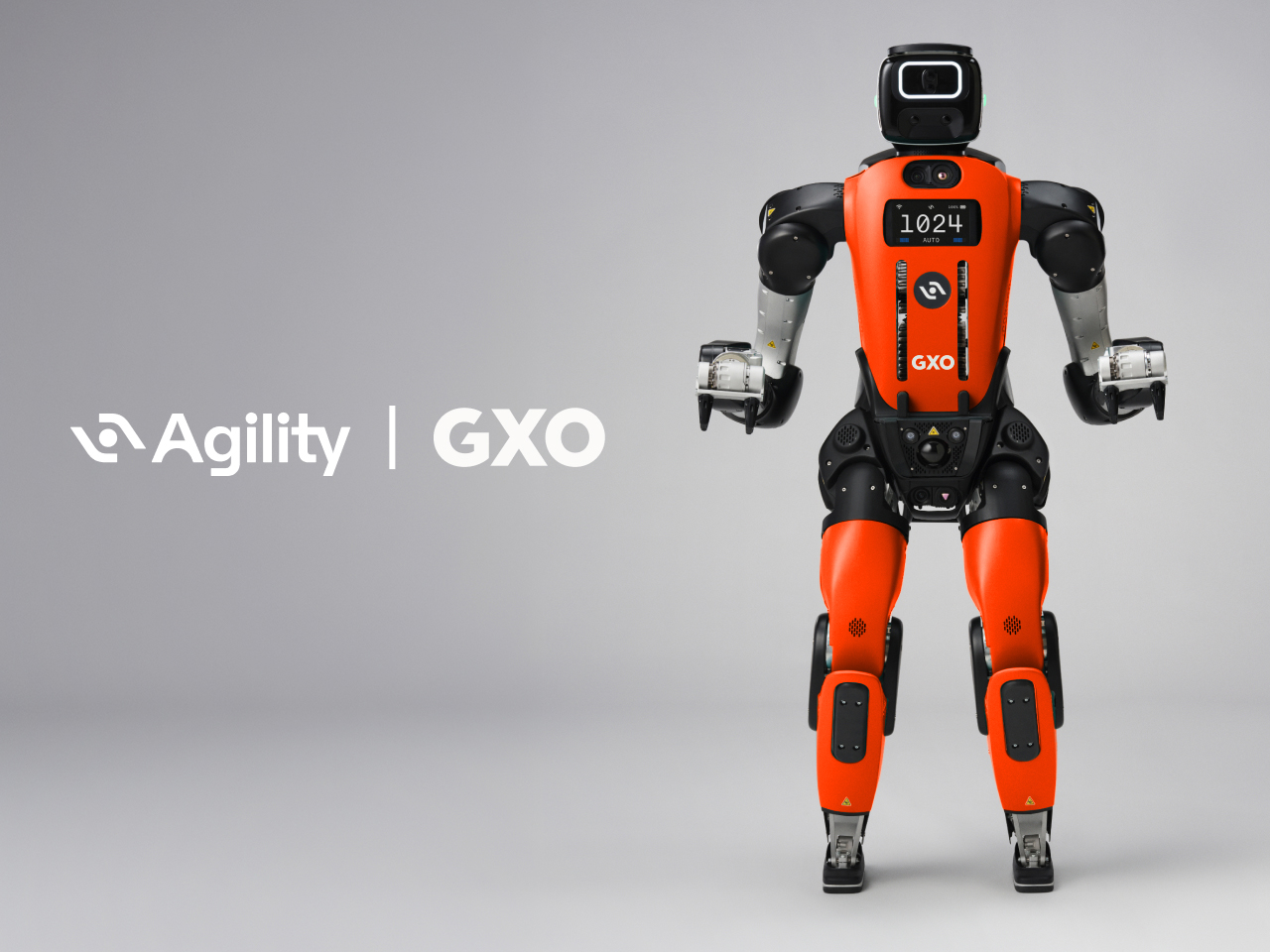
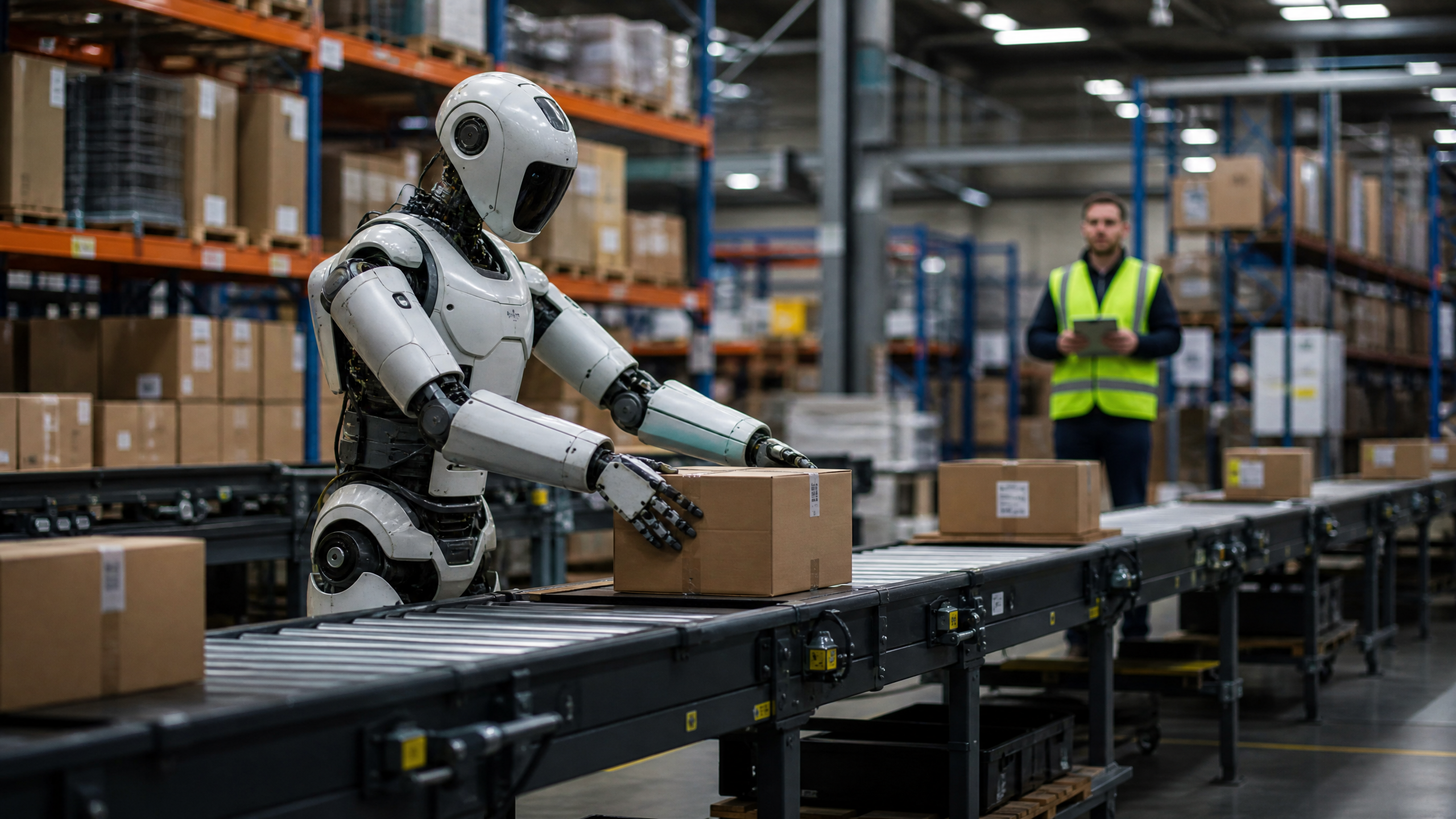
The pricing structures emerging in the market are highly indicative of where the industry believes it can compete immediately. Agility Robotics, an Oregon based humanoid robotics company focused on logistics, has deployed its Digit humanoid in pilot programs utilizing a subscription model. While early per hour operating costs were estimated between $10 and $25, the long term target is to drive this down to $2 to $3 per hour.
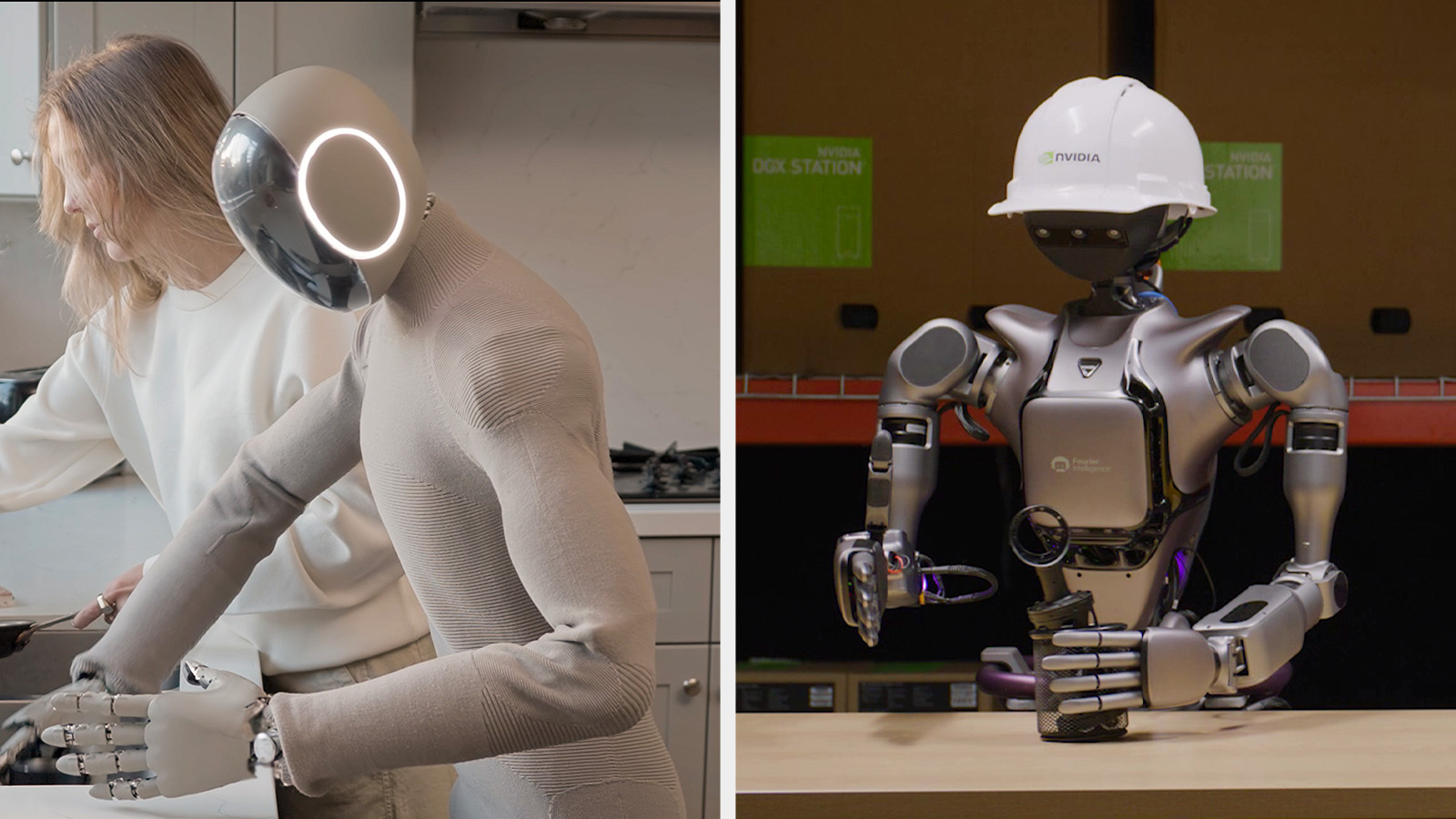
The most aggressive pricing signal recently came from 1X Technologies. The Norway based AI and robotics company opened preorders for its NEO humanoid robot, offering it at a $20,000 purchase price or a $499 per month subscription plan. While NEO is initially targeted at the consumer home market, this $499 monthly price point establishes a radical new baseline for humanoid capability, applying immense pressure on commercial pricing models to demonstrate proportional value.
The Human Labor Baseline
To understand the viability of these subscription models, they must be benchmarked against the fully loaded cost of human labor in target industries, primarily logistics, warehousing, and non clinical healthcare tasks.
In the United States, the average hourly wage for a warehouse worker in 2026 is approximately $18.34. However, the base wage is only part of the equation. When factoring in the load percentage, which includes taxes, benefits, insurance, and administrative overhead, the fully loaded cost of that worker increases significantly, often by 25 percent to 30 percent. This brings the true cost of a human warehouse worker to roughly $23 to $24 per hour.
Over a standard 40 hour workweek, this equates to approximately $3,800 to $4,000 per month per shift. If a facility operates multiple shifts, the monthly cost for a single human equivalent role multiplies accordingly. Furthermore, the US labor market continues to experience wage inflation, with the Employment Cost Index showing steady increases in compensation costs.
Identifying the Crossover Point
The crossover point, the moment when deploying a humanoid robot becomes economically superior to hiring a human worker, is not a single global number, but a matrix dependent on utilization rates, task complexity, and regional labor costs.
However, we can establish clear parameters based on 2026 data. If a commercial humanoid subscription contract is priced at $3,000 to $4,000 per month per unit, it is already approaching parity with the fully loaded cost of a single human shift in a US warehouse.
The economic advantage compounds dramatically when considering multi shift operations. A robot does not require overtime pay, healthcare benefits, or shift differentials. If a humanoid can operate reliably across two shifts, its effective hourly cost halves, dropping well below the $24 fully loaded human rate.
If Agility Robotics achieves its long term target of $2 to $3 per hour operating cost, the economic argument for human labor in structured, repetitive material handling tasks collapses entirely in high wage markets.
The Economics of Reliability
The current challenge for subscription providers is not the theoretical price point, but the reliability required to justify it. A $3,000 per month robot that requires constant human intervention or experiences significant downtime has a much higher effective cost.
This is why the focus has shifted heavily toward fleet orchestration and robust, AI driven error recovery. The value of a subscription contract is contingent on the robot's ability to maintain high uptime and handle edge cases autonomously. Companies that can guarantee uptime through superior software and rapid hardware replacement will command premium subscription pricing.
The introduction of advanced actuation, such as 1X NEO's new tendon driven hands featuring 25 degrees of force control, expands the range of tasks a robot can perform, thereby increasing its utilization rate and improving the return on investment calculation for the end user.
As the industry moves through 2026, the transition from capital expenditure to operational expenditure is complete. The focus is now entirely on driving down the hourly operational cost while increasing system reliability. The math is inevitable: as hardware scales and AI models improve, the subscription cost curve will intersect the rising human wage curve.
For a logistics facility operating in a high wage market, the crossover point where a reliable humanoid subscription definitively undercuts a fully loaded human shift is no longer a future projection; it is $22.50 per hour.
This analysis synthesizes company statements and public market activity.