
Perceptyne PR-OMNI vs Wafer Production Type
Perceptyne vs Hanwha Robotics — specs, price, and data-backed comparison.
EN BREF
- Wafer Production Type offre la charge utile la plus élevée (12 kg contre 10 kg).
COMPARAISON DES CARACTÉRISTIQUES
| Perceptyne PR-OMNI | Wafer Production Type | |
|---|---|---|
| Entreprise | Perceptyne | Hanwha Robotics |
| Catégorie | Humanoid | Industrial-Robot |
| Prix : | Non annoncé | Non annoncé |
| Poids | 120 kg | — |
| Charge utile | 10 kg | 12 kg |
| Portée | 2 m | — |
| Degrés de liberté | 16 | — |
| Vitesse | 2 km/h | — |
| Autonomie de la batterie | 360 min | — |
| Logiciel / IA | Proprietary Physical Intelligence (PhI) layer; supports open-source models; VR teleoperation | — |
Guides d'achat et prix
QUESTIONS FRÉQUENTES
Quelle est la différence entre Perceptyne PR-OMNI et Wafer Production Type ?
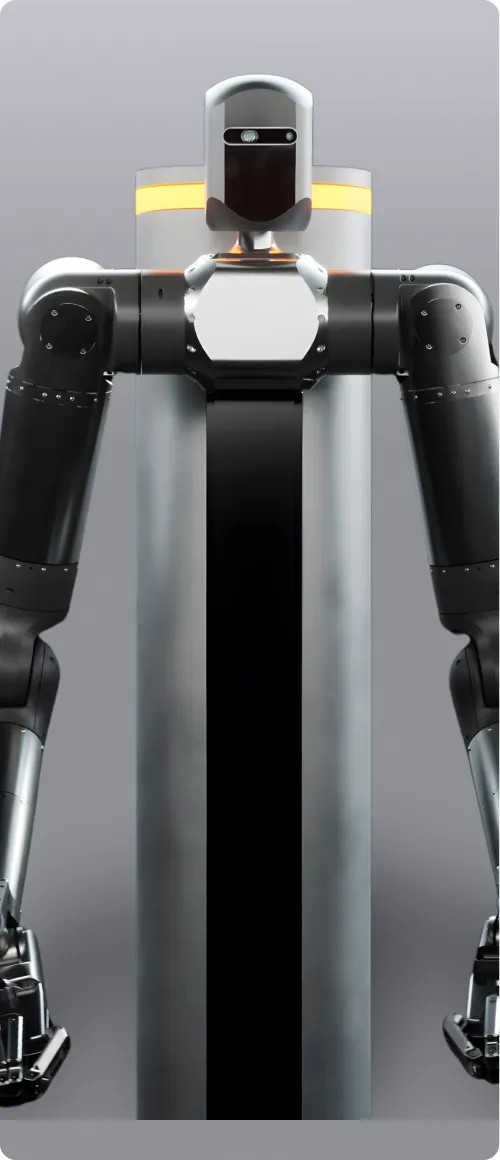
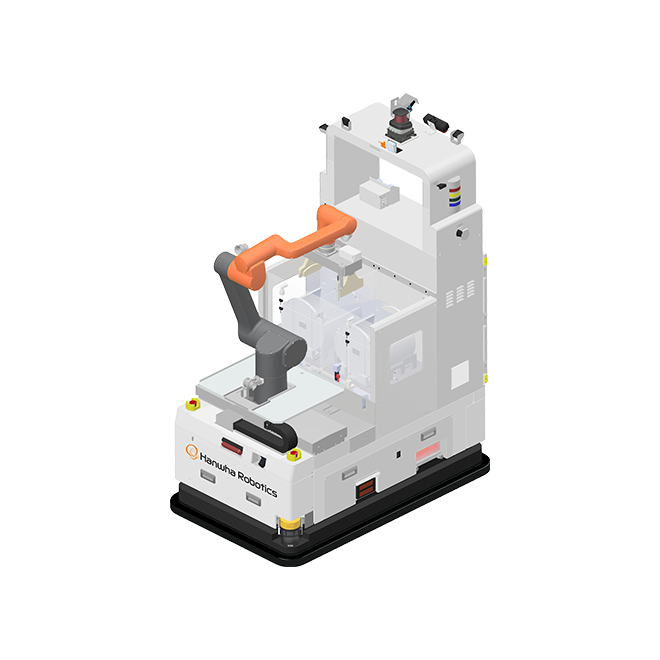
Perceptyne PR-OMNI est fabriqué par Perceptyne, tandis que Wafer Production Type est fabriqué par Hanwha Robotics. Perceptyne PR-OMNI appartient à la catégorie « humanoid », tandis que Wafer Production Type appartient à la catégorie « industrial-robot ».
Lequel a la charge utile la plus élevée, Perceptyne PR-OMNI ou Wafer Production Type ?
Wafer Production Type a la charge utile la plus élevée, à 12 kg, contre 10 kg pour Perceptyne PR-OMNI.