
Panthera-HT vs Reachy 2
High Torque Technology vs Pollen Robotics — specs, price, and data-backed comparison.
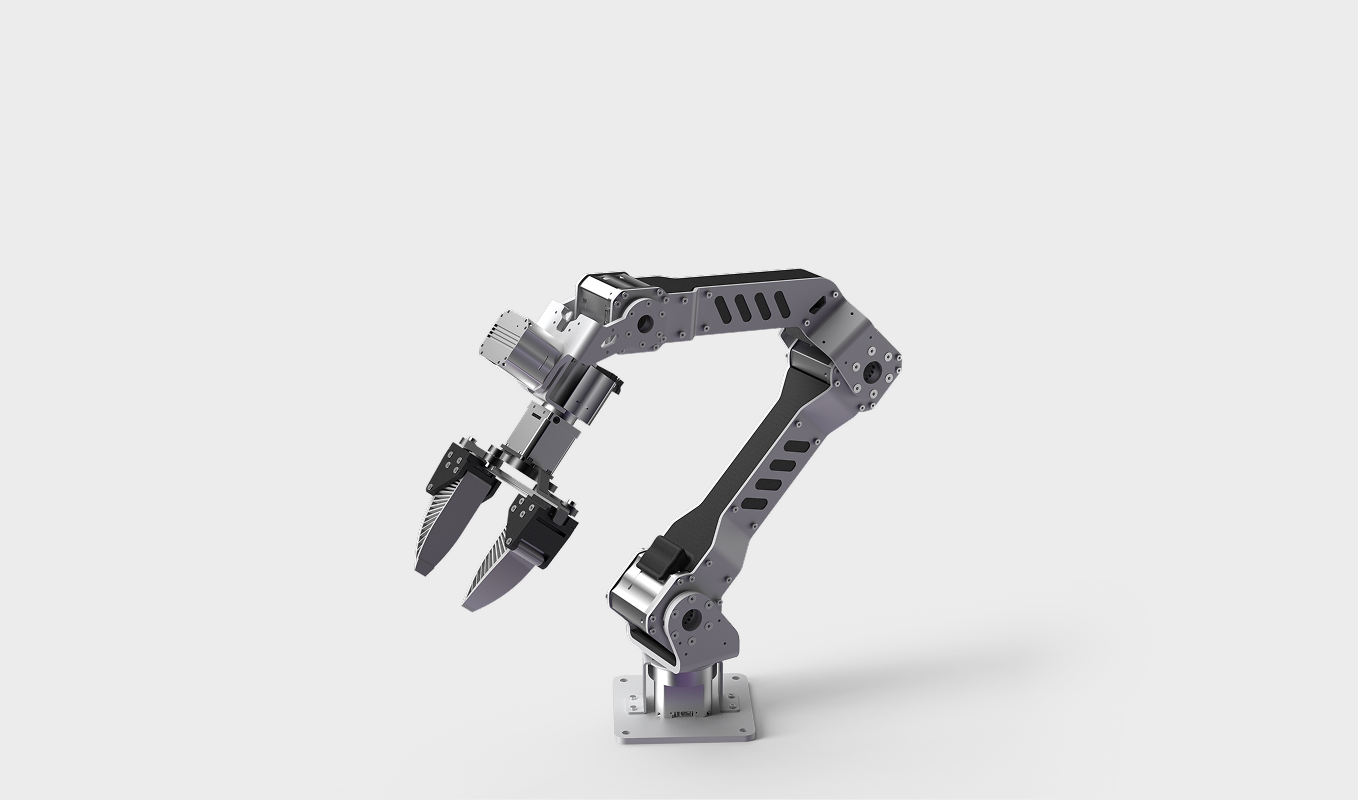
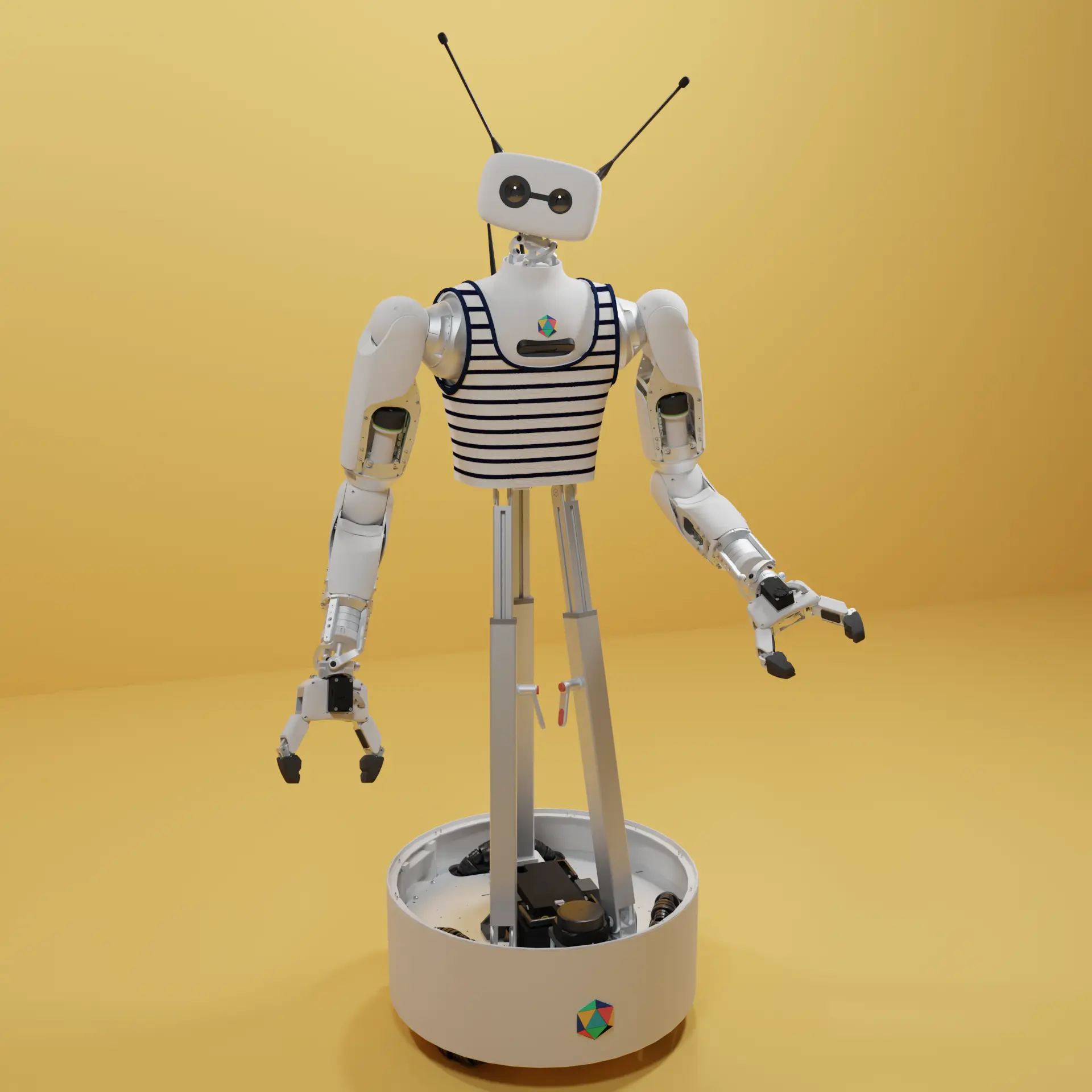
EN BREF
- Panthera-HT offre la charge utile la plus élevée (3.5 kg contre 3 kg).
- Panthera-HT offre la construction la plus légère (4.35 kg contre 50 kg).
COMPARAISON DES CARACTÉRISTIQUES
| Panthera-HT | Reachy 2 | |
|---|---|---|
| Entreprise | High Torque Technology | Pollen Robotics |
| Catégorie | Collaborative-Robot | Educational-Robots |
| Prix : | $1,799 | Non annoncé |
| Poids | 4.35 kg | 50 kg |
| Charge utile | 3.5 kg | 3 kg |
| Portée | 860 mm | — |
| Degrés de liberté | 6 | — |
| Vitesse | 2.88 km/h | — |
| Connectivité | CAN FD | — |
| Logiciel / IA | Low-level control SDK with open-source motion-control algorithms; ROS 2 and LeRobot compatible; C++ and Python; URDF models and simulation support | ROS 2 Humble; open-source Python SDK; VR teleoperation application |
Guides d'achat et prix
QUESTIONS FRÉQUENTES
Quelle est la différence entre Panthera-HT et Reachy 2 ?
Panthera-HT est fabriqué par High Torque Technology, tandis que Reachy 2 est fabriqué par Pollen Robotics. Panthera-HT appartient à la catégorie « collaborative-robot », tandis que Reachy 2 appartient à la catégorie « educational-robots ».
Lequel est le moins cher, Panthera-HT ou Reachy 2 ?
Panthera-HT est affiché à $1,799 ; le prix de Reachy 2 n'a pas été annoncé publiquement.
Lequel a la charge utile la plus élevée, Panthera-HT ou Reachy 2 ?
Panthera-HT a la charge utile la plus élevée, à 3.5 kg, contre 3 kg pour Reachy 2.