
iSAGEBOT Composite Robot vs KUAVO 5-W MAX
Isagebot vs Leju Robotics — specs, price, and data-backed comparison.
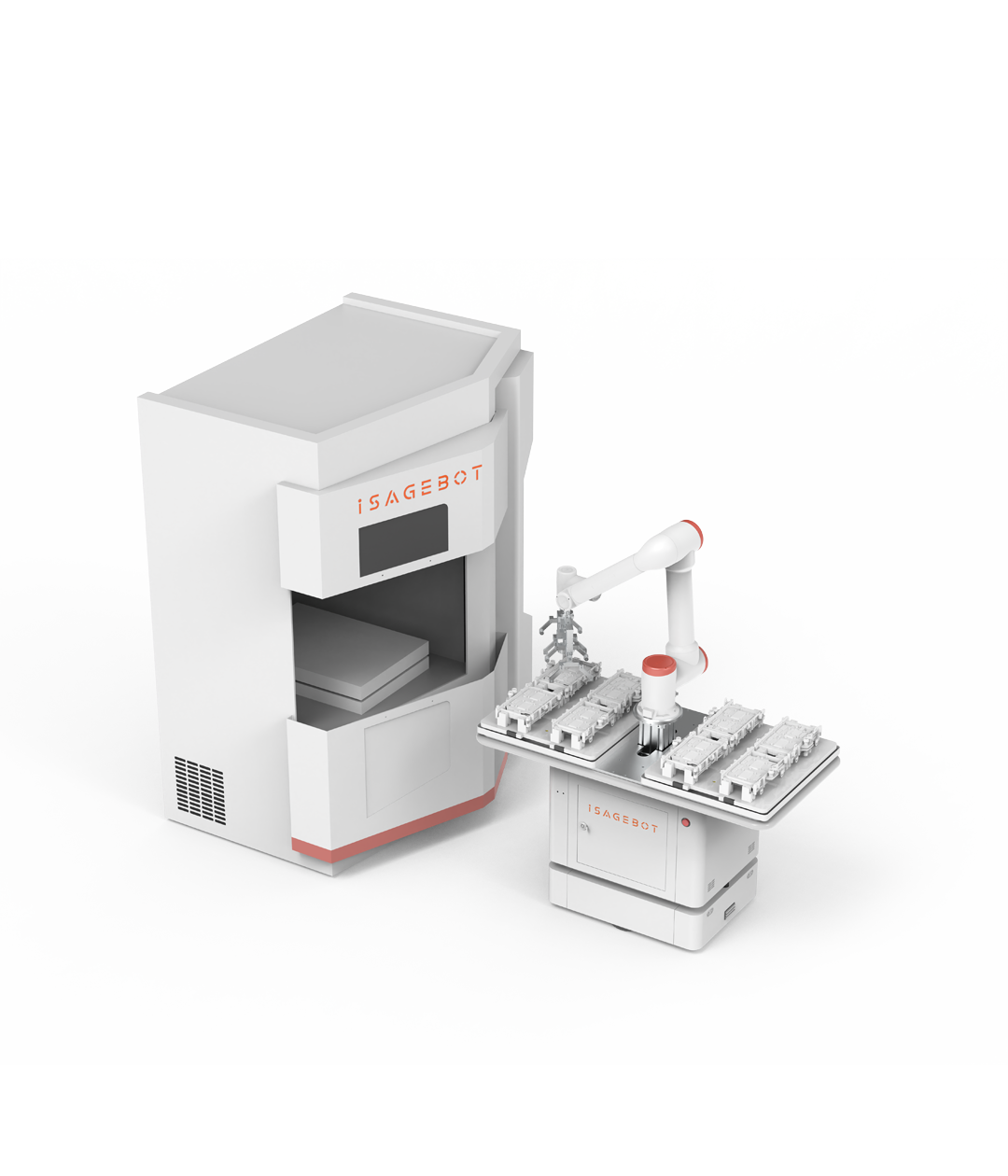
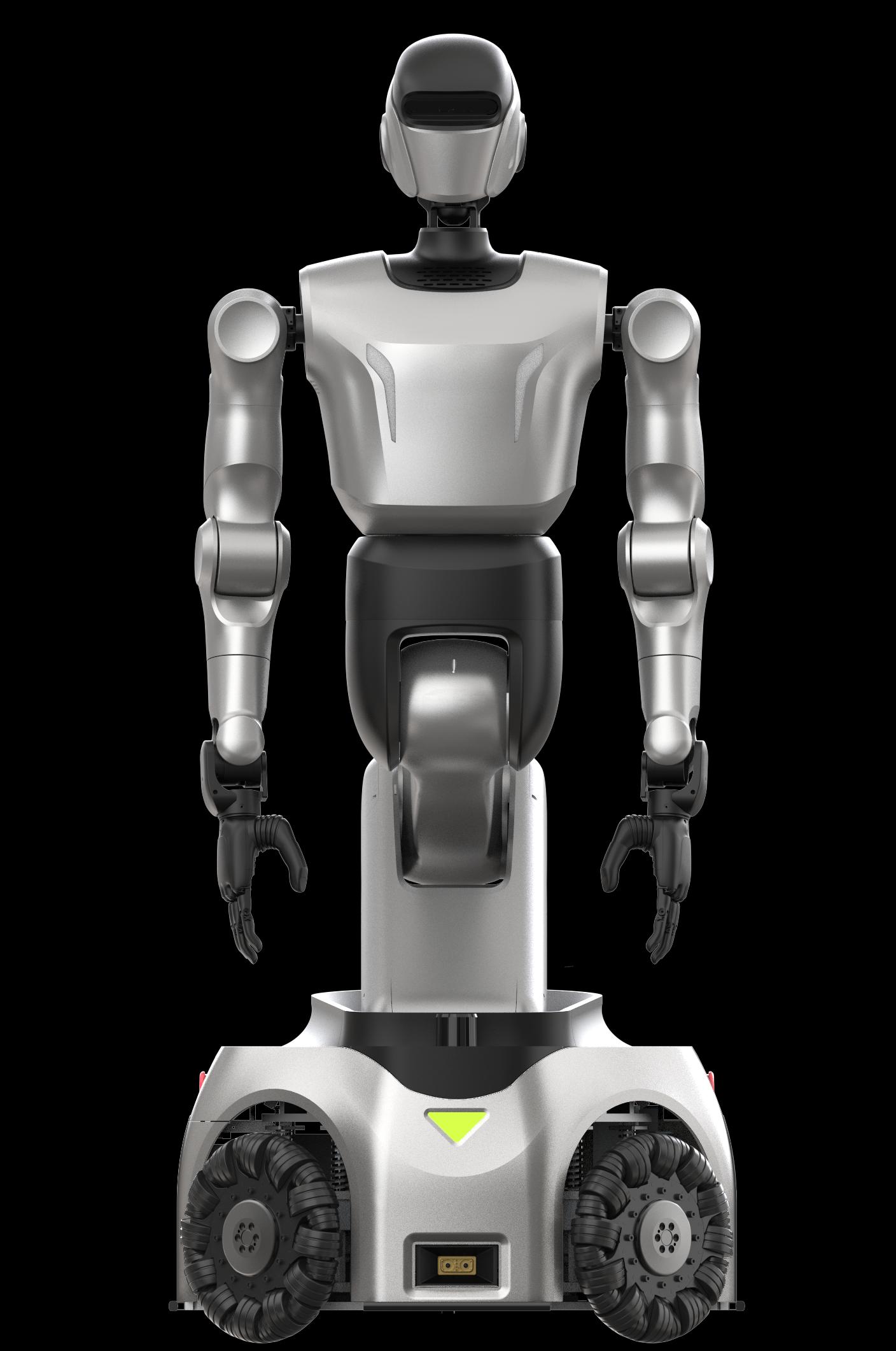
EN BREF
- iSAGEBOT Composite Robot offre la charge utile la plus élevée (20 kg contre 5 kg).
- KUAVO 5-W MAX offre la construction la plus légère (245 kg contre 250 kg).
COMPARAISON DES CARACTÉRISTIQUES
| iSAGEBOT Composite Robot | KUAVO 5-W MAX | |
|---|---|---|
| Entreprise | Isagebot | Leju Robotics |
| Catégorie | Industrial-Robot | Humanoid |
| Prix : | Non annoncé | Non annoncé |
| Poids | 250 kg | 245 kg |
| Charge utile | 20 kg | 5 kg |
| Portée | — | 790 mm |
| Degrés de liberté | — | 36 |
| Vitesse | 5.4 km/h | — |
| Autonomie de la batterie | — | 360 min |
| Logiciel / IA | SLAM navigation; unified control across base and arm | Taskor industrial embodied software platform: graphical zero-code skill composition, multi-machine scheduling, state retrieval and batch upgrades, MES integration and a continuously iterated standard skill library; laser SLAM navigation |
Guides d'achat et prix
QUESTIONS FRÉQUENTES
Quelle est la différence entre iSAGEBOT Composite Robot et KUAVO 5-W MAX ?
iSAGEBOT Composite Robot est fabriqué par Isagebot, tandis que KUAVO 5-W MAX est fabriqué par Leju Robotics. iSAGEBOT Composite Robot appartient à la catégorie « industrial-robot », tandis que KUAVO 5-W MAX appartient à la catégorie « humanoid ».
Lequel a la charge utile la plus élevée, iSAGEBOT Composite Robot ou KUAVO 5-W MAX ?
iSAGEBOT Composite Robot a la charge utile la plus élevée, à 20 kg, contre 5 kg pour KUAVO 5-W MAX.