
Galileo E1-W vs WUBA Tianlang Q10W
Galileo Technology vs WUBA Intelligent Technology — specs, price, and data-backed comparison.
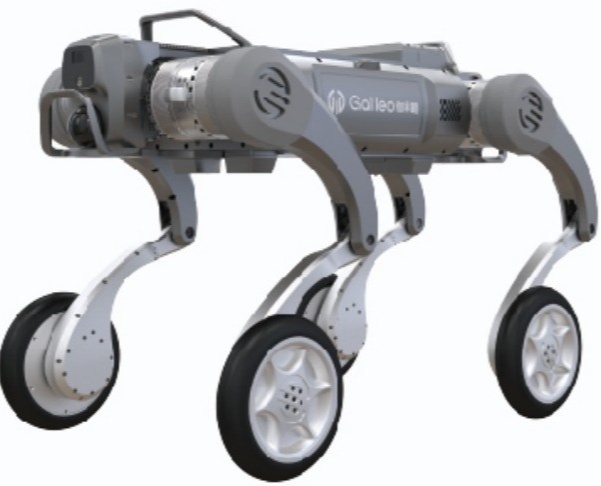
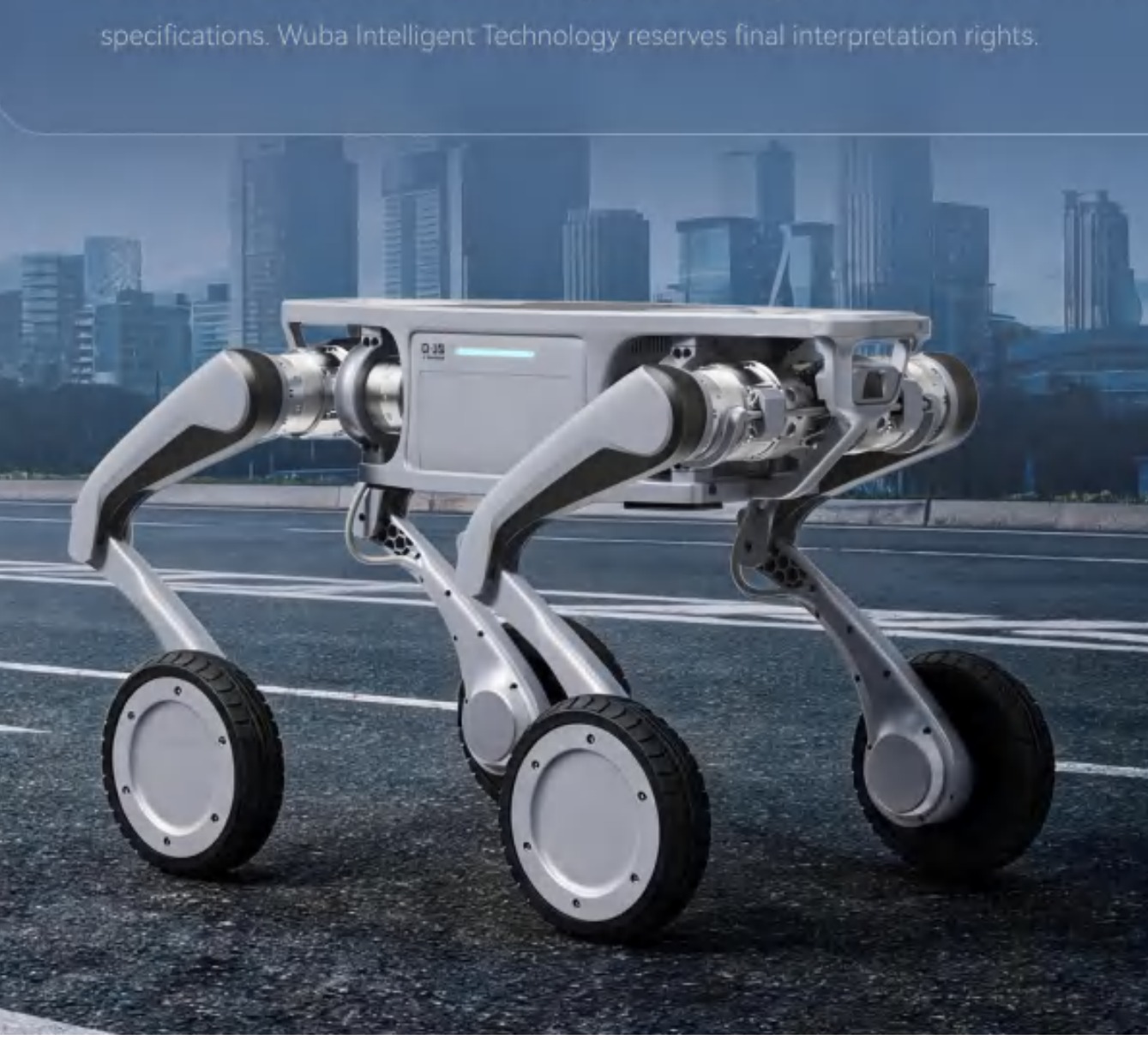
EN BREF
- Galileo E1-W offre la charge utile la plus élevée (30 kg contre 15 kg).
- Galileo E1-W offre la vitesse maximale la plus élevée (21.6 km/h contre 18 km/h).
- WUBA Tianlang Q10W offre la plus grande autonomie (180 min contre 150 min).
- WUBA Tianlang Q10W offre la construction la plus légère (27 kg contre 60 kg).
COMPARAISON DES CARACTÉRISTIQUES
| Galileo E1-W | WUBA Tianlang Q10W | |
|---|---|---|
| Entreprise | Galileo Technology | WUBA Intelligent Technology |
| Catégorie | Industrial-Robot | Research-Robots |
| Prix : | Non annoncé | Non annoncé |
| Poids | 60 kg | 27 kg |
| Charge utile | 30 kg | 15 kg |
| Vitesse | 21.6 km/h | 18 km/h |
| Autonomie de la batterie | 150 min | 180 min |
| Connectivité | WiFi 6, optional 4G and 5G; Ethernet, USB and RS485 external interfaces | — |
| Logiciel / IA | Autonomous navigation and obstacle avoidance with multi-sensor fusion | — |
Guides d'achat et prix
QUESTIONS FRÉQUENTES
Quelle est la différence entre Galileo E1-W et WUBA Tianlang Q10W ?
Galileo E1-W est fabriqué par Galileo Technology, tandis que WUBA Tianlang Q10W est fabriqué par WUBA Intelligent Technology. Galileo E1-W appartient à la catégorie « industrial-robot », tandis que WUBA Tianlang Q10W appartient à la catégorie « research-robots ».
Lequel a la charge utile la plus élevée, Galileo E1-W ou WUBA Tianlang Q10W ?
Galileo E1-W a la charge utile la plus élevée, à 30 kg, contre 15 kg pour WUBA Tianlang Q10W.
Lequel est le plus rapide, Galileo E1-W ou WUBA Tianlang Q10W ?
Galileo E1-W a la vitesse maximale la plus élevée, à 21.6 km/h, contre 18 km/h pour WUBA Tianlang Q10W.
Lequel a la meilleure autonomie de batterie, Galileo E1-W ou WUBA Tianlang Q10W ?
WUBA Tianlang Q10W a la meilleure autonomie, à environ 180 minutes, contre environ 150 minutes pour Galileo E1-W.