
Galileo C1 vs WUBA Tianlang Q10W
Galileo Technology vs WUBA Intelligent Technology — specs, price, and data-backed comparison.
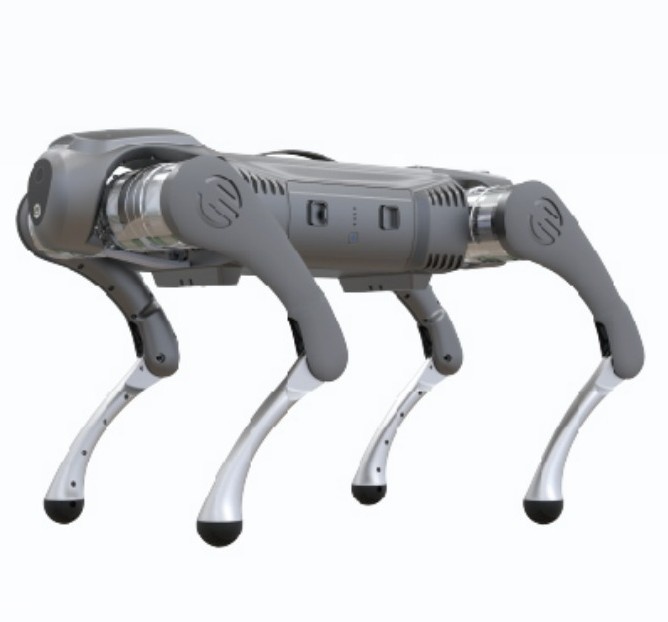
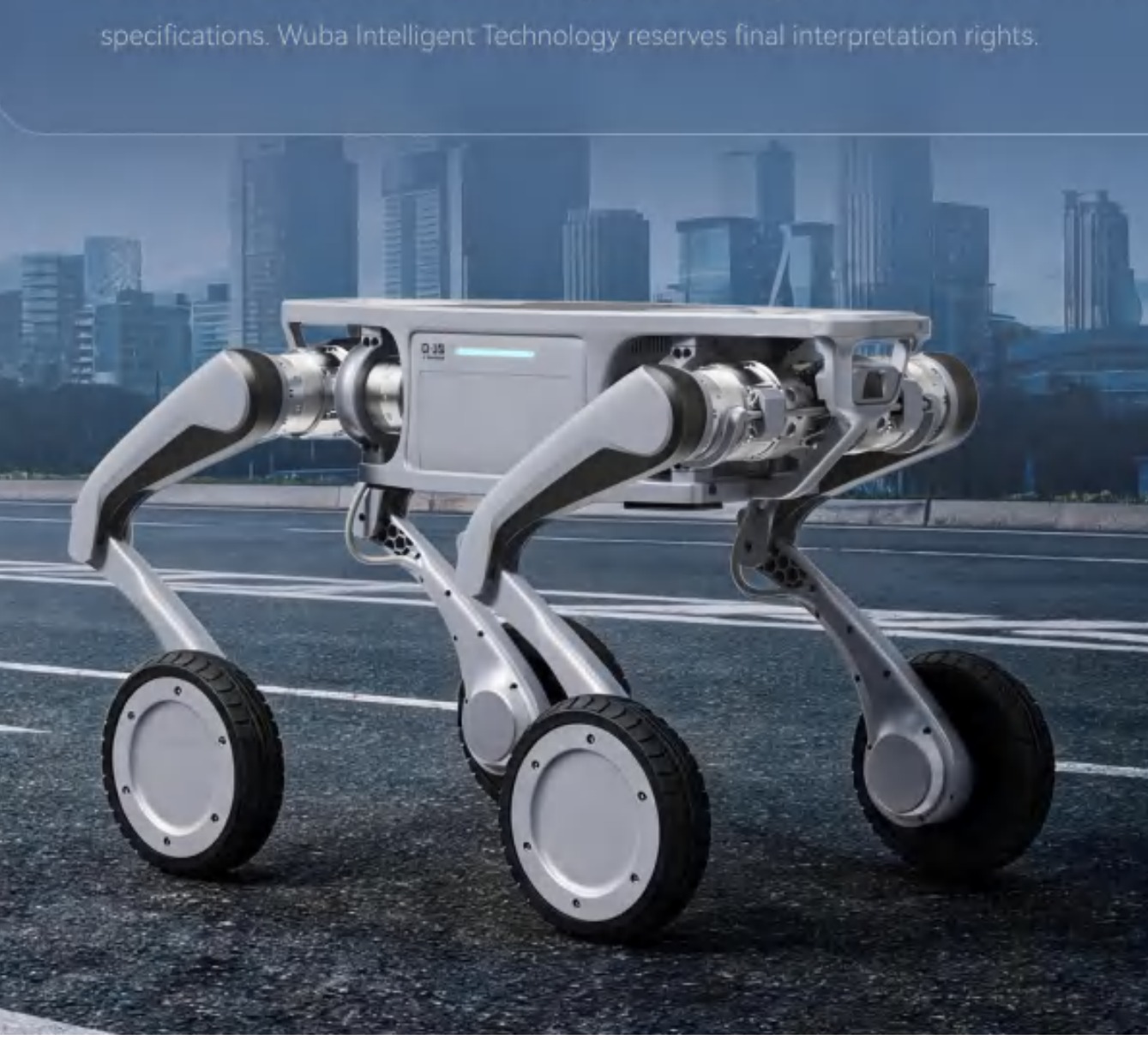
EN BREF
- WUBA Tianlang Q10W offre la charge utile la plus élevée (15 kg contre 12 kg).
- WUBA Tianlang Q10W offre la vitesse maximale la plus élevée (18 km/h contre 10.8 km/h).
- Galileo C1 offre la construction la plus légère (22 kg contre 27 kg).
COMPARAISON DES CARACTÉRISTIQUES
| Galileo C1 | WUBA Tianlang Q10W | |
|---|---|---|
| Entreprise | Galileo Technology | WUBA Intelligent Technology |
| Catégorie | Industrial-Robot | Research-Robots |
| Prix : | Non annoncé | Non annoncé |
| Poids | 22 kg | 27 kg |
| Charge utile | 12 kg | 15 kg |
| Vitesse | 10.8 km/h | 18 km/h |
| Autonomie de la batterie | 180 min | 180 min |
| Connectivité | WiFi 6, optional 4G and 5G; Ethernet, USB and RS485 external interfaces | — |
| Logiciel / IA | Autonomous navigation and obstacle avoidance with multi-sensor fusion | — |
Guides d'achat et prix
QUESTIONS FRÉQUENTES
Quelle est la différence entre Galileo C1 et WUBA Tianlang Q10W ?
Galileo C1 est fabriqué par Galileo Technology, tandis que WUBA Tianlang Q10W est fabriqué par WUBA Intelligent Technology. Galileo C1 appartient à la catégorie « industrial-robot », tandis que WUBA Tianlang Q10W appartient à la catégorie « research-robots ».
Lequel a la charge utile la plus élevée, Galileo C1 ou WUBA Tianlang Q10W ?
WUBA Tianlang Q10W a la charge utile la plus élevée, à 15 kg, contre 12 kg pour Galileo C1.
Lequel est le plus rapide, Galileo C1 ou WUBA Tianlang Q10W ?
WUBA Tianlang Q10W a la vitesse maximale la plus élevée, à 18 km/h, contre 10.8 km/h pour Galileo C1.