
Bimanual Humanoid Robot vs Embodied Tien Kung 3.0
Svaya Robotics vs Beijing Humanoid Robot Innovation Center — specs, price, and data-backed comparison.
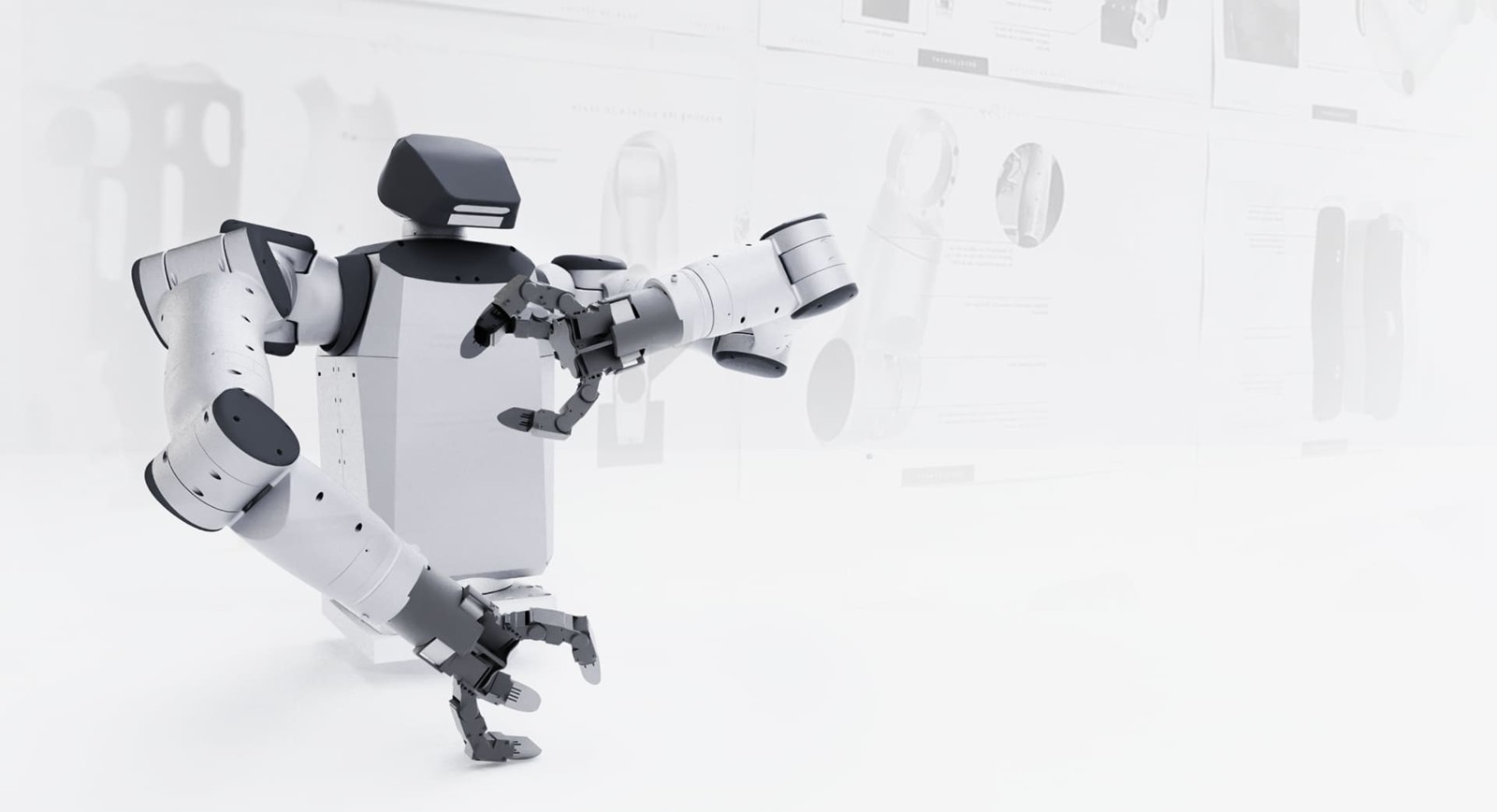
Bimanual Humanoid Robot
Svaya Robotics
Non annoncé
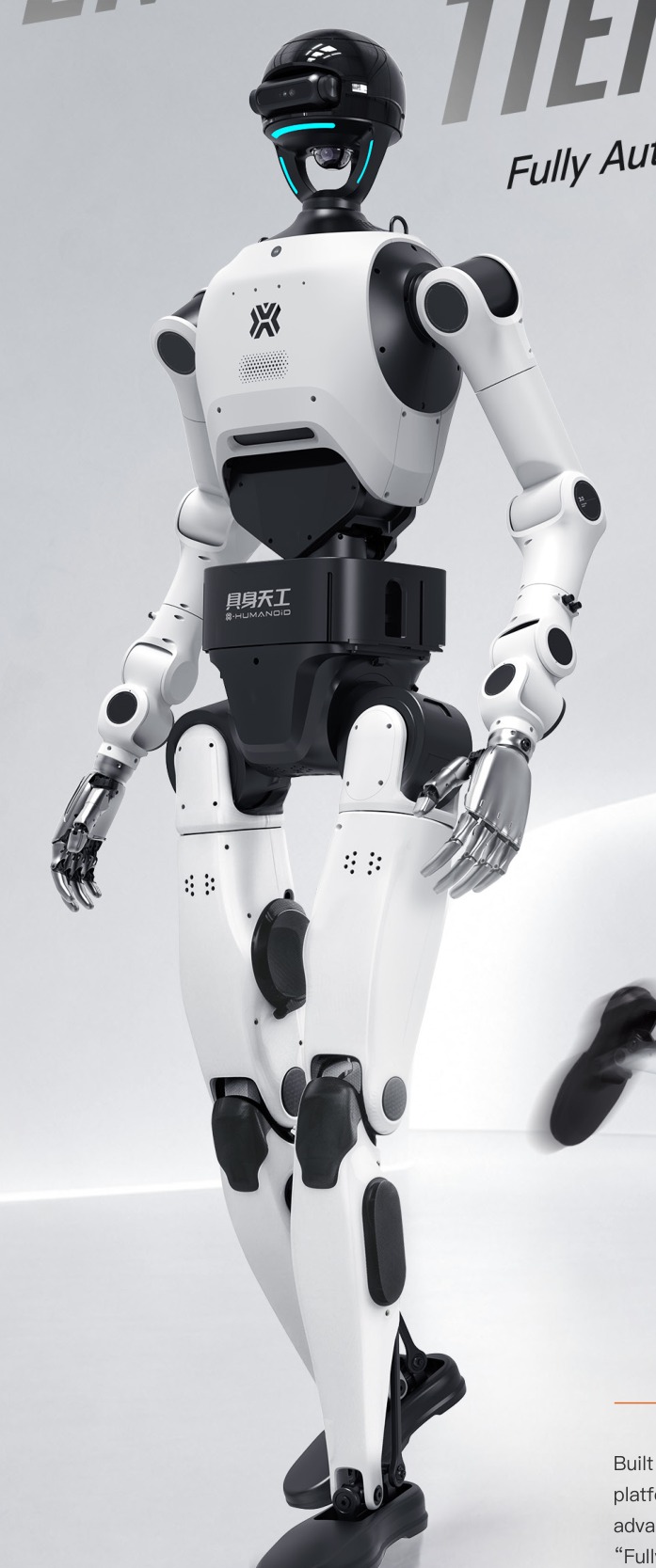
Embodied Tien Kung 3.0
Beijing Humanoid Robot Innovation Center
Non annoncé
COMPARAISON DES CARACTÉRISTIQUES
| Bimanual Humanoid Robot | Embodied Tien Kung 3.0 | |
|---|---|---|
| Entreprise | Svaya Robotics | Beijing Humanoid Robot Innovation Center |
| Catégorie | Humanoid | Humanoid |
| Prix : | Non annoncé | Non annoncé |
| Poids | — | 64.5 kg |
| Charge utile | — | 8 kg |
| Degrés de liberté | — | 43 |
| Vitesse | — | 6.01 km/h |
| Autonomie de la batterie | — | 120 min |
| Connectivité | — | Full-body CAN FD / EtherCAT bus; Wi-Fi 6E, Bluetooth, Ethernet, 5G |
| Logiciel / IA | Svaya whole-body force control and vision AI skills stack | Wise Kaiwu general embodied-AI platform; proprietary high-speed middleware, ROS 2 compatible |
Guides d'achat et prix
QUESTIONS FRÉQUENTES
Quelle est la différence entre Bimanual Humanoid Robot et Embodied Tien Kung 3.0 ?
Bimanual Humanoid Robot est fabriqué par Svaya Robotics, tandis que Embodied Tien Kung 3.0 est fabriqué par Beijing Humanoid Robot Innovation Center. Les deux appartiennent à la catégorie « humanoid » ; les différences portent donc sur le prix et les caractéristiques.