
AMR-AI-Cobot Pro vs ROBO Square
Micro-Star International (MSI) vs Nakanishi Metal Works (NKC) — specs, price, and data-backed comparison.
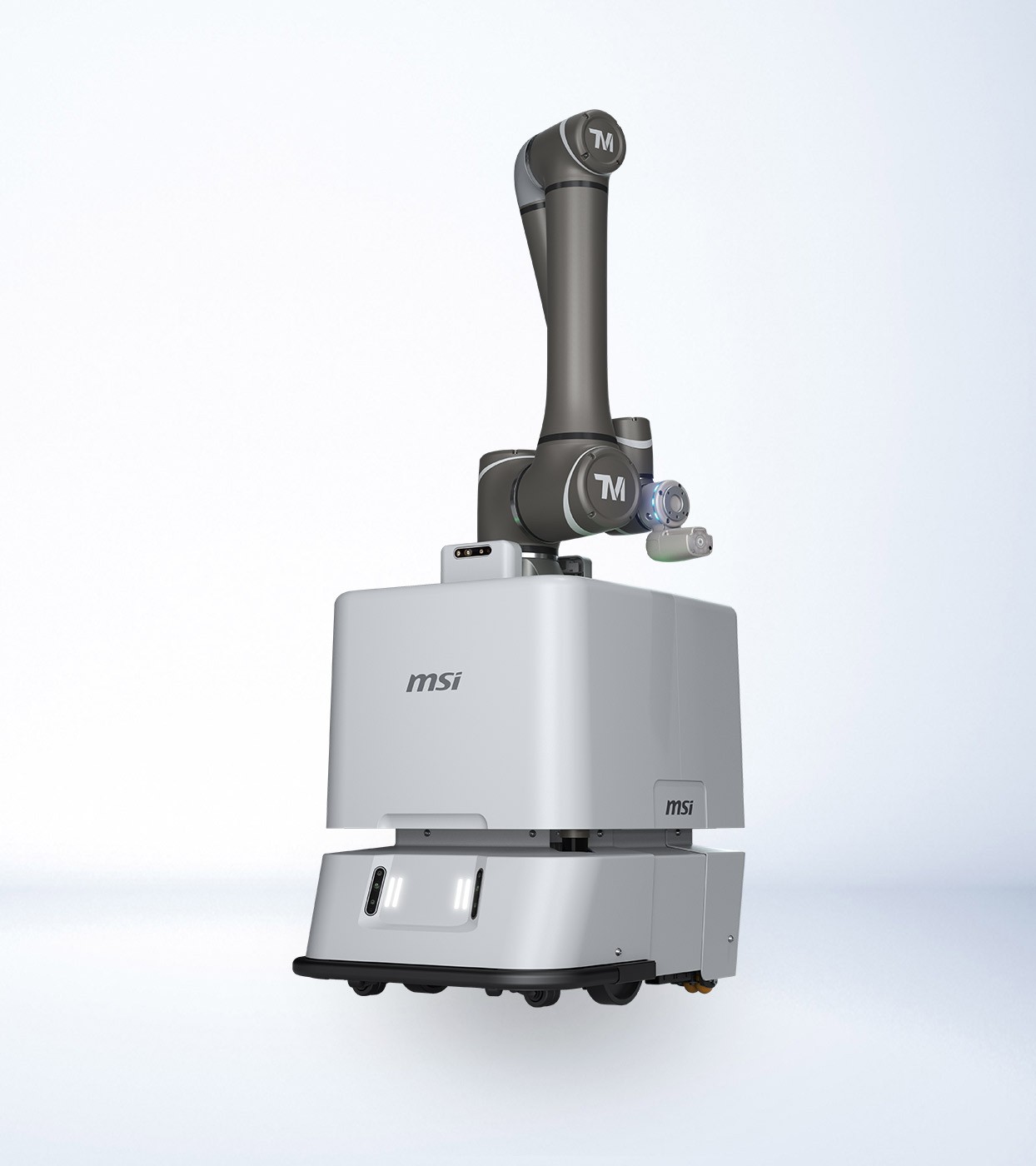
AMR-AI-Cobot Pro
Micro-Star International (MSI)
Non annoncé
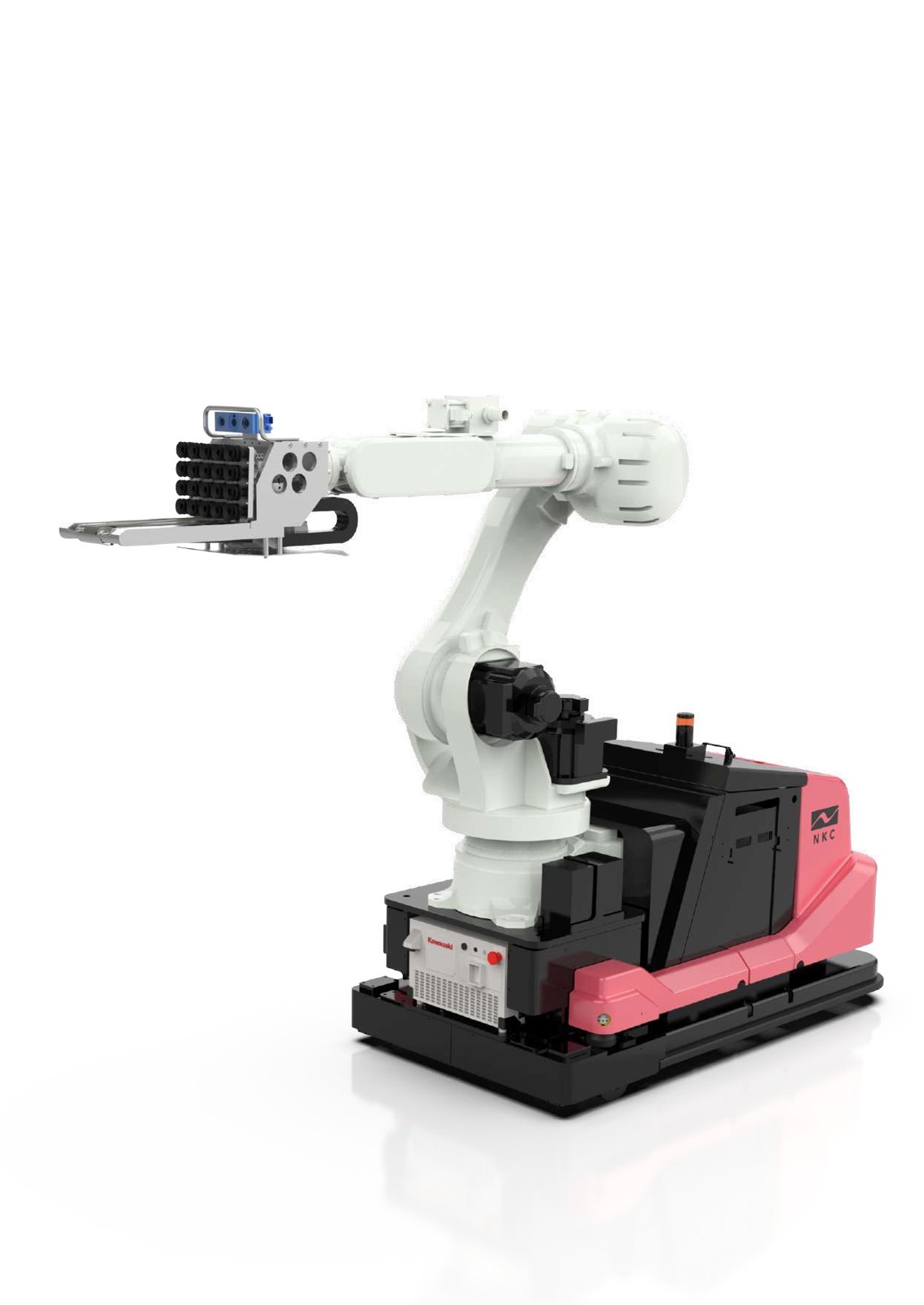
ROBO Square
Nakanishi Metal Works (NKC)
Non annoncé
EN BREF
- ROBO Square offre la charge utile la plus élevée (30 kg contre 20 kg).
- ROBO Square offre la vitesse maximale la plus élevée (3.6 km/h contre 2.7 km/h).
- AMR-AI-Cobot Pro offre la construction la plus légère (150 kg contre 2,350 kg).
COMPARAISON DES CARACTÉRISTIQUES
| AMR-AI-Cobot Pro | ROBO Square | |
|---|---|---|
| Entreprise | Micro-Star International (MSI) | Nakanishi Metal Works (NKC) |
| Catégorie | Collaborative-Robot | Industrial-Robot |
| Prix : | Non annoncé | Non annoncé |
| Poids | 150 kg | 2,350 kg |
| Charge utile | 20 kg | 30 kg |
| Portée | — | 2.1 m |
| Degrés de liberté | — | 6 |
| Vitesse | 2.7 km/h | 3.6 km/h |
| Autonomie de la batterie | 240 min | 24 V / 201 Ah lead (AGV) |
| Connectivité | Wi-Fi 802.11 a/b/g/n/ac; optional 5G; RJ45, 2 x USB; Modbus optional | Wi-Fi (dispatch) |
| Logiciel / IA | MSI AMR fleet management platform | Dedicated controller / PLC; AI vision picking |
Guides d'achat et prix
QUESTIONS FRÉQUENTES
Quelle est la différence entre AMR-AI-Cobot Pro et ROBO Square ?
AMR-AI-Cobot Pro est fabriqué par Micro-Star International (MSI), tandis que ROBO Square est fabriqué par Nakanishi Metal Works (NKC). AMR-AI-Cobot Pro appartient à la catégorie « collaborative-robot », tandis que ROBO Square appartient à la catégorie « industrial-robot ».
Lequel a la charge utile la plus élevée, AMR-AI-Cobot Pro ou ROBO Square ?
ROBO Square a la charge utile la plus élevée, à 30 kg, contre 20 kg pour AMR-AI-Cobot Pro.
Lequel est le plus rapide, AMR-AI-Cobot Pro ou ROBO Square ?
ROBO Square a la vitesse maximale la plus élevée, à 3.6 km/h, contre 2.7 km/h pour AMR-AI-Cobot Pro.