
ALOHA Stationary V2.0 vs myBuddy 280 Pi
Trossen Robotics vs Elephant Robotics — specs, price, and data-backed comparison.
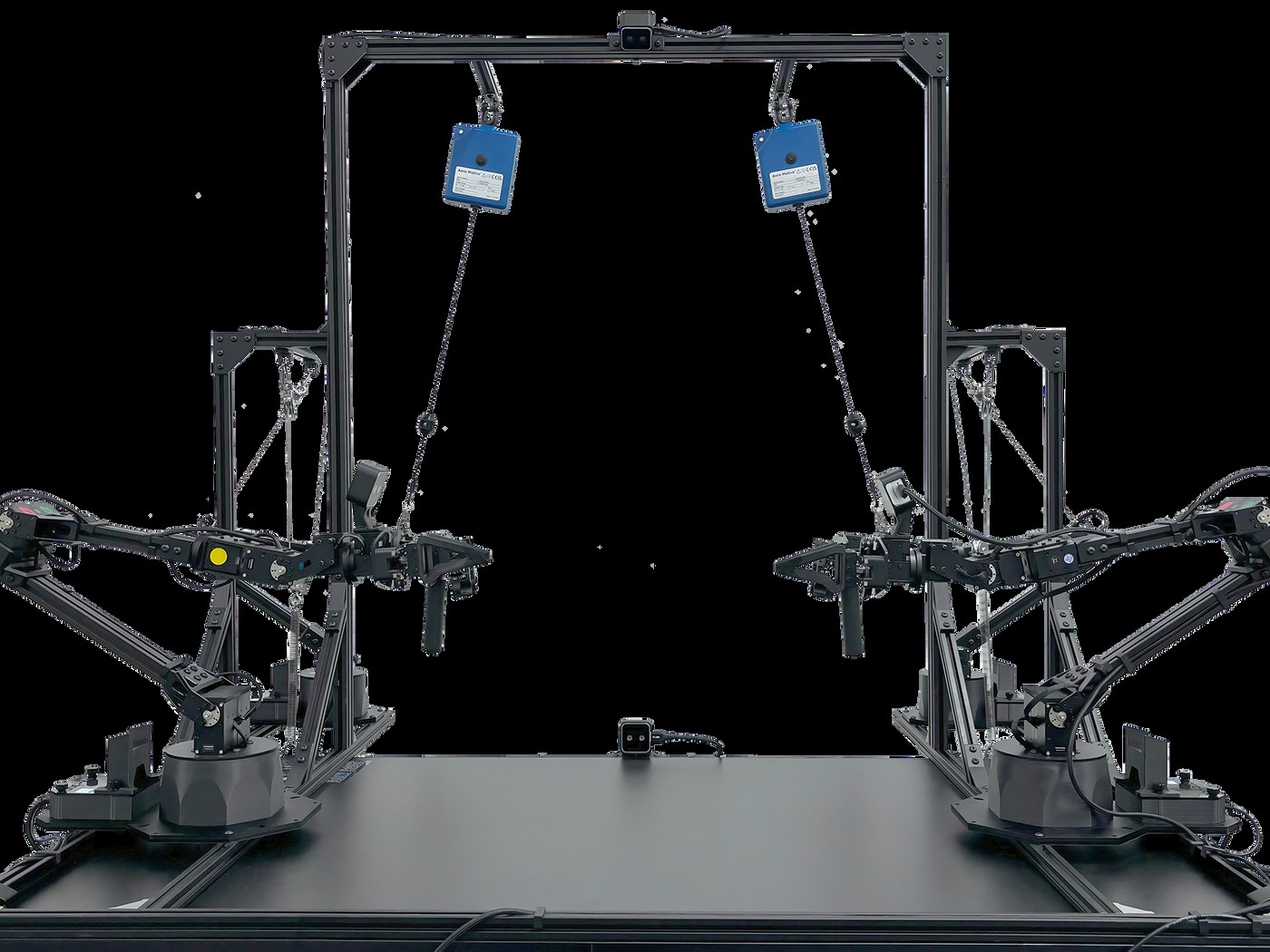
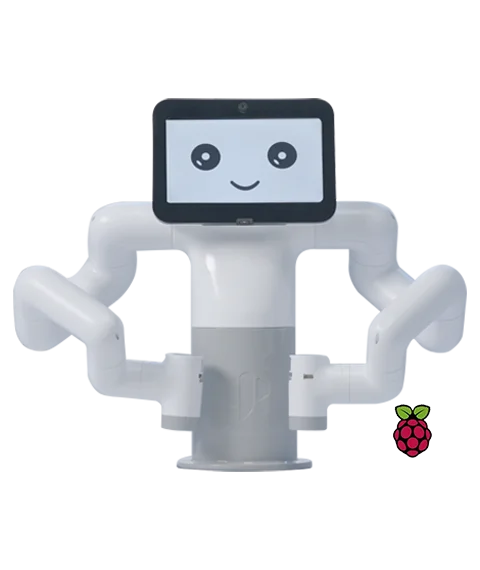
EN BREF
- ALOHA Stationary V2.0 offre la charge utile la plus élevée (0.75 kg contre 0.25 kg).
- ALOHA Stationary V2.0 offre la plus grande portée (750 mm contre 280 mm).
- myBuddy 280 Pi offre davantage de degrés de liberté (13 contre 6).
COMPARAISON DES CARACTÉRISTIQUES
| ALOHA Stationary V2.0 | myBuddy 280 Pi | |
|---|---|---|
| Entreprise | Trossen Robotics | Elephant Robotics |
| Catégorie | Research-Robots | Research-Robots |
| Prix : | Non annoncé | Non annoncé |
| Sortie : | 2024 | — |
| Charge utile | 0.75 kg | 0.25 kg |
| Portée | 750 mm | 280 mm |
| Degrés de liberté | 6 | 13 |
Guides d'achat et prix
QUESTIONS FRÉQUENTES
Quelle est la différence entre ALOHA Stationary V2.0 et myBuddy 280 Pi ?
ALOHA Stationary V2.0 est fabriqué par Trossen Robotics, tandis que myBuddy 280 Pi est fabriqué par Elephant Robotics. Les deux appartiennent à la catégorie « research-robots » ; les différences portent donc sur le prix et les caractéristiques.
Lequel a la charge utile la plus élevée, ALOHA Stationary V2.0 ou myBuddy 280 Pi ?
ALOHA Stationary V2.0 a la charge utile la plus élevée, à 0.75 kg, contre 0.25 kg pour myBuddy 280 Pi.