DESCRIPCIÓN
PHYBOT C2 es un Consumer-Robot de PHYBOT. Está diseñado para Entertainment, Home companionship and family interaction, projected film, music and photo entertainment. Cifras clave: 35 kg, 25 grados de libertad.
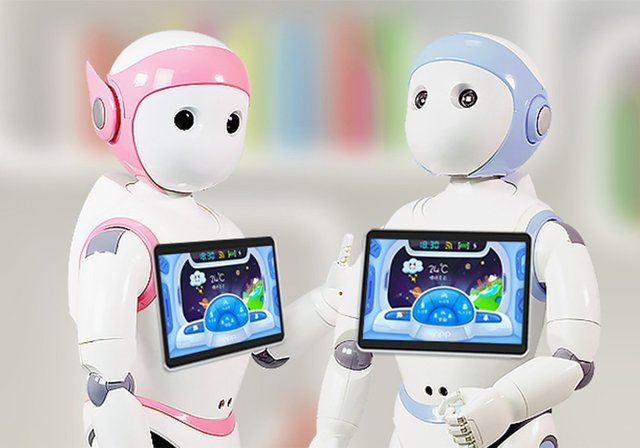
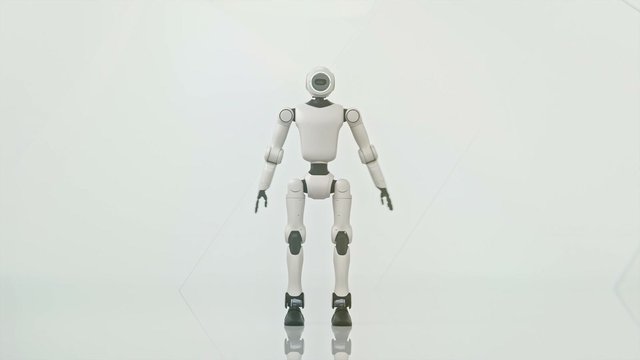
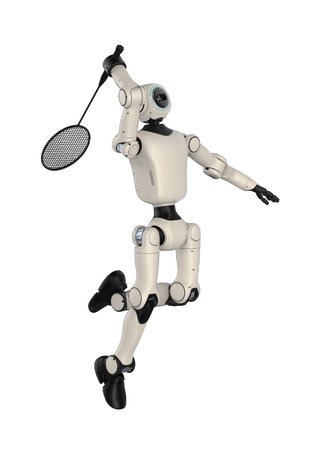
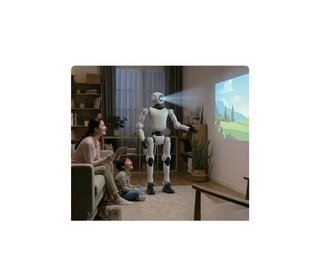
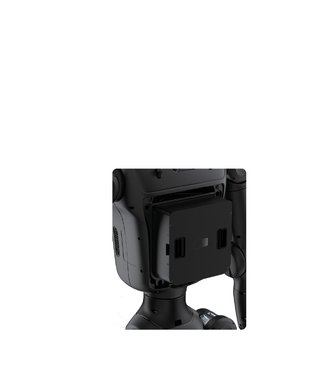
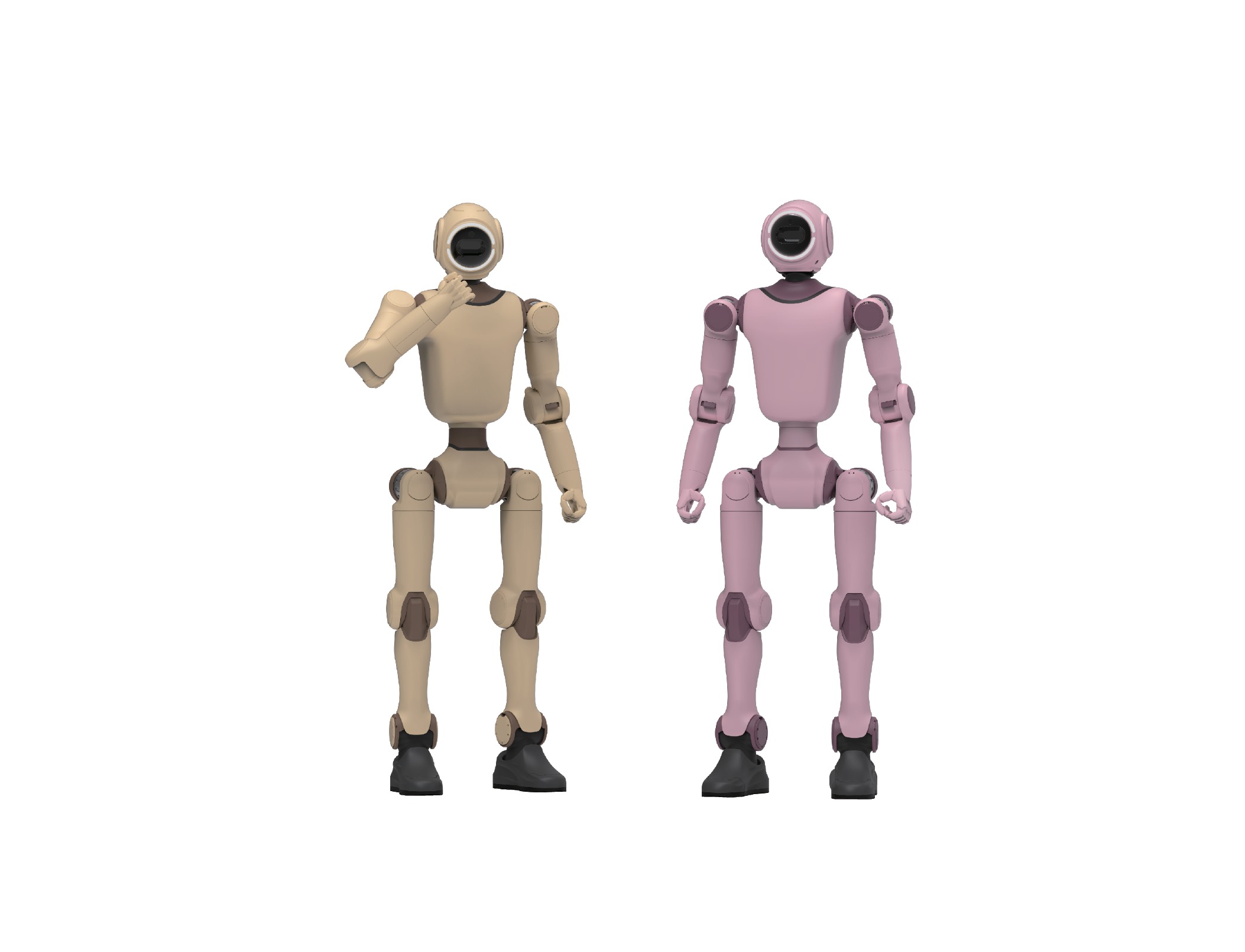
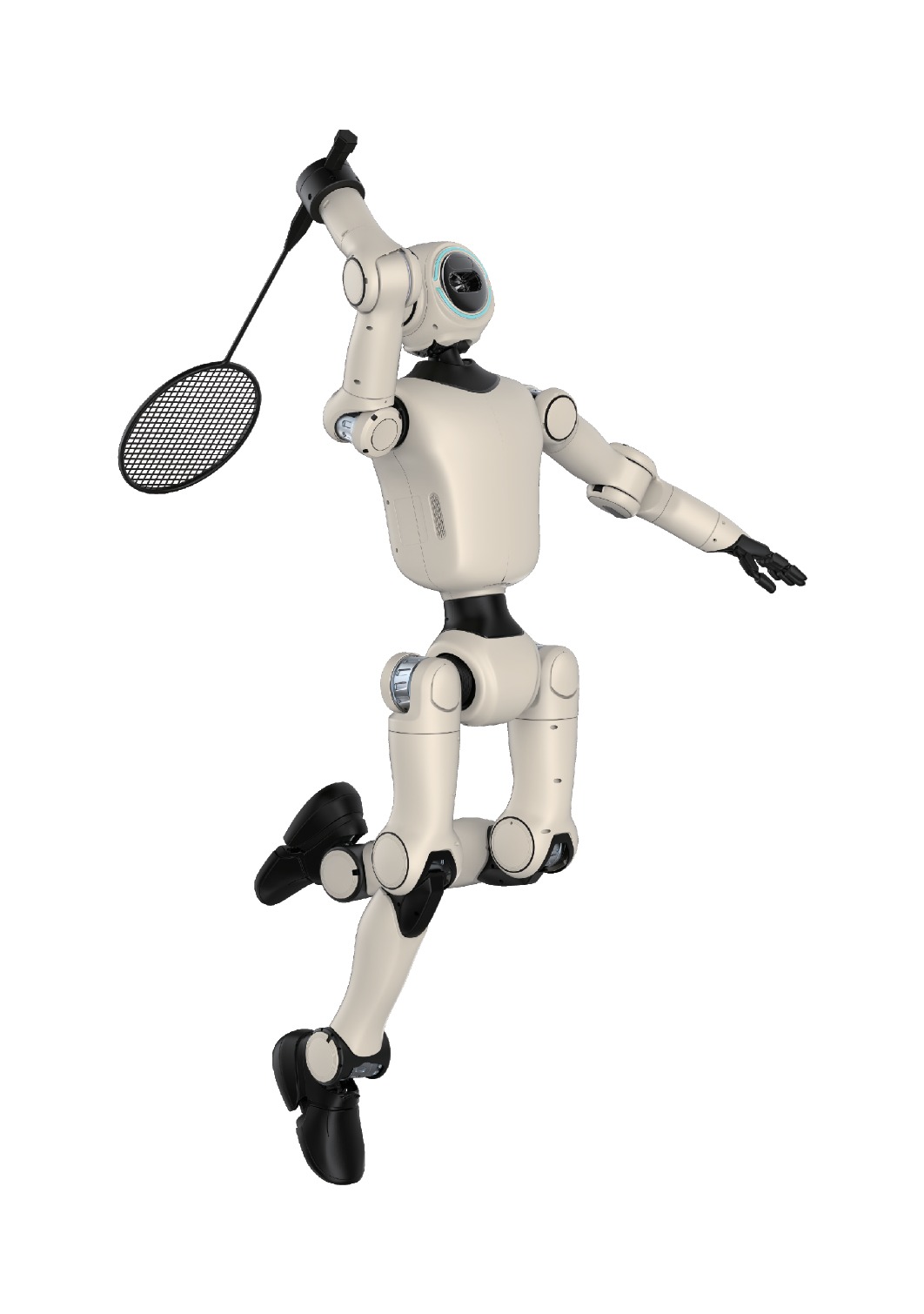
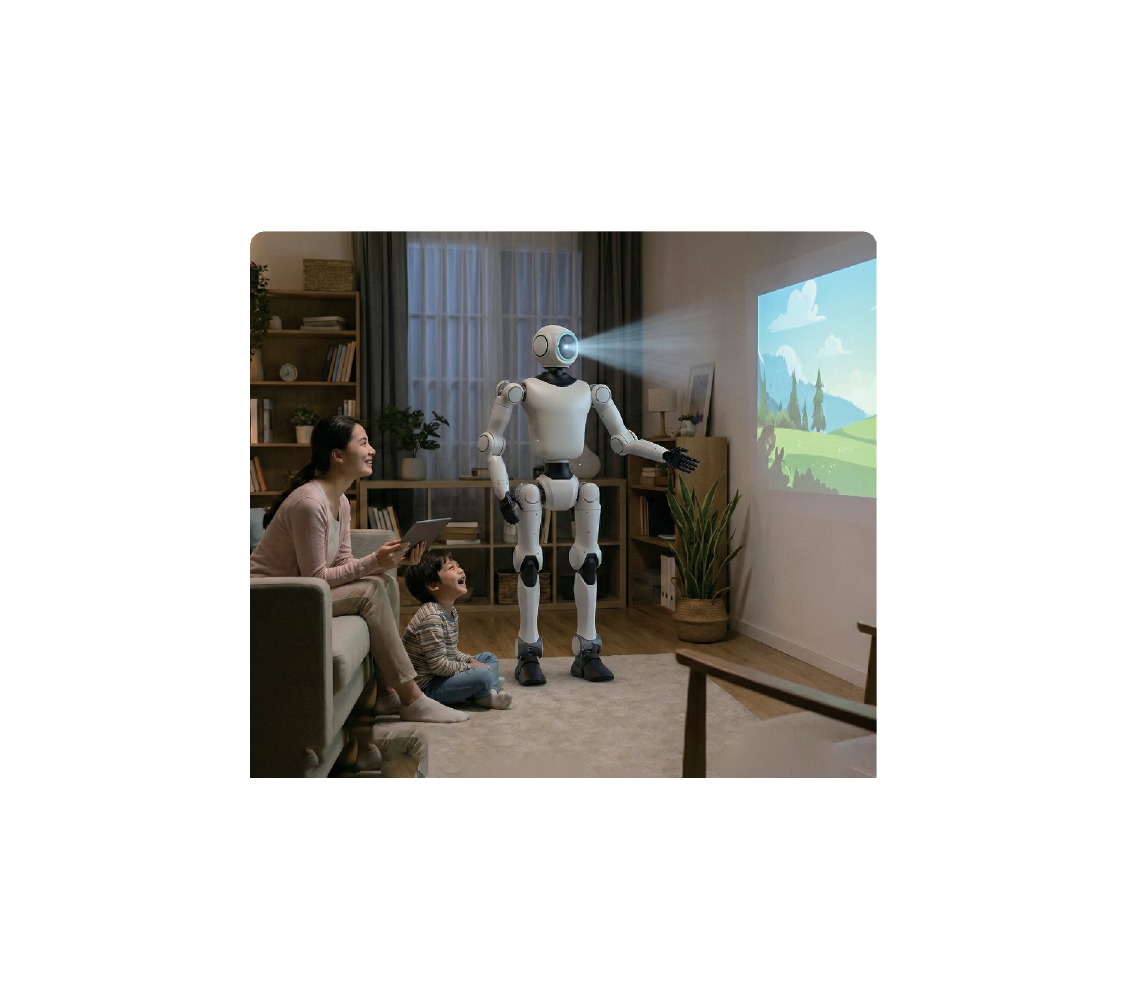
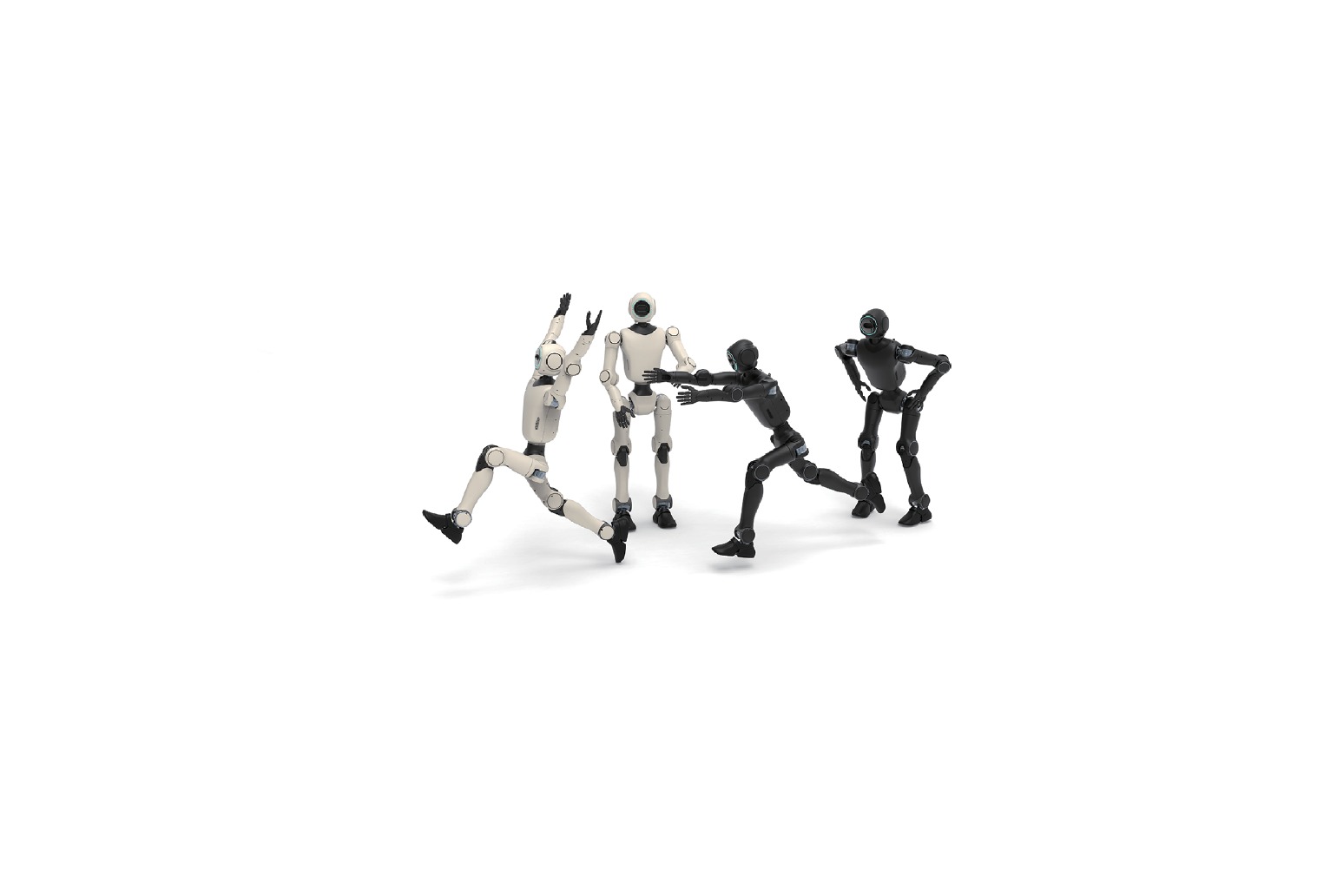
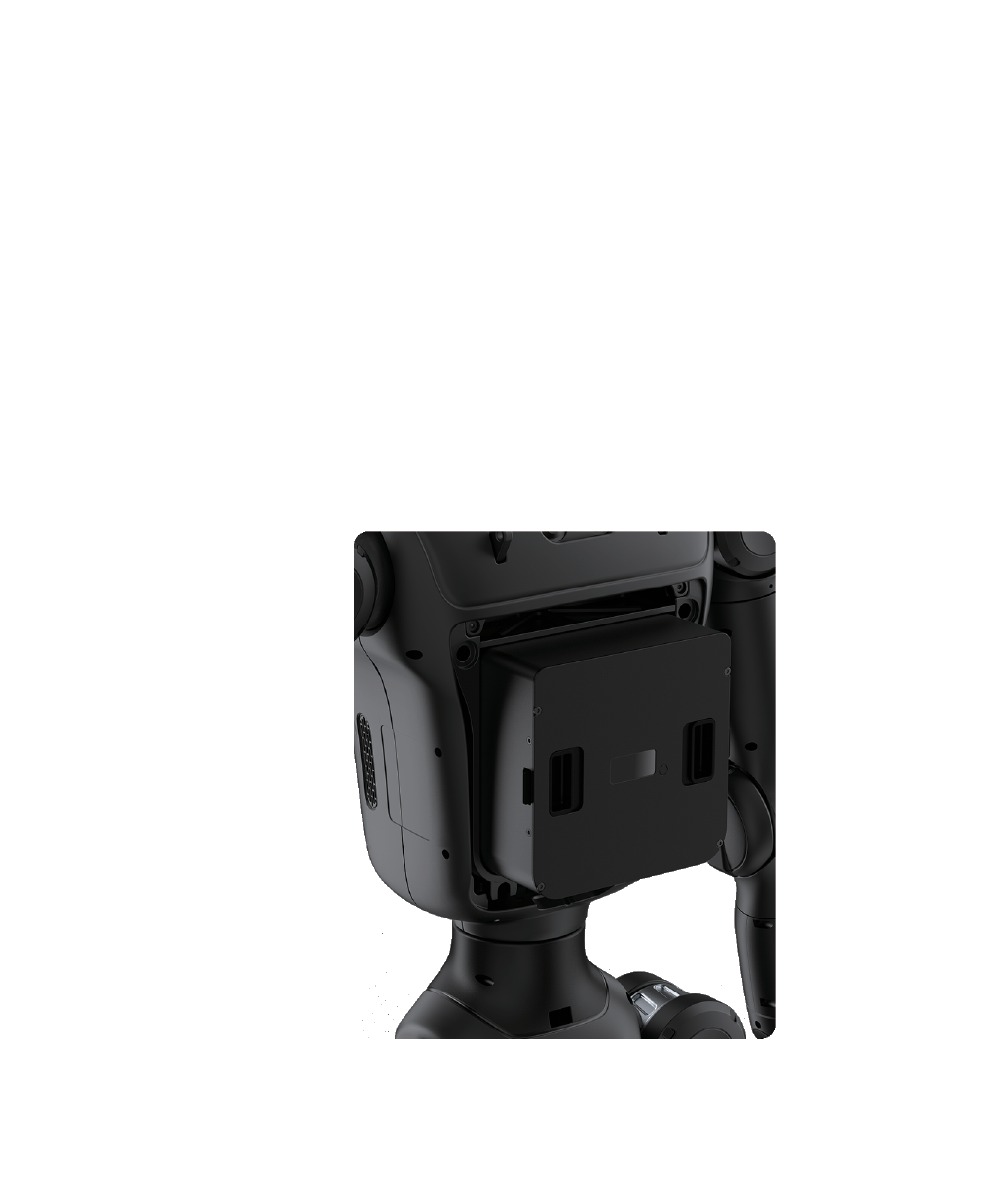
The PHYBOT C2 is the company's embodied intelligent companion, and almost every design decision follows from one number: 1,345 mm, deliberately scaled to a child's eye level so it reads as approachable rather than imposing. Where the M1 is built for load, the C2 is built for presence — a rounded body, cartoon-styled feet, a breathing light ring around its head, and customisable colour shells, with a built-in HD projector that turns any wall into a screen for a film, music or photographs. It weighs 35 kg and carries more than 25 degrees of freedom, 5 per arm, 6 per leg, 1 at the waist and 2 in the head, enough for expressive whole-body movement rather than gestures alone; PHYBOT shows it playing badminton. Its joints peak at 244 N·m on the same 72 V architecture as the rest of the range, with a 6 Ah removable battery and a 9-axis IMU. Large-scale AI models drive the interaction layer, and PHYBOT's claim for it is emotional rather than mechanical: that it senses tone and emotion and responds in kind.
CARACTERÍSTICAS
- 1,345 x 600 x 275 mm standing size at 35 kg, deliberately scaled to a child's perspective
- More than 25 total degrees of freedom, comprising 5 per arm, 6 per leg, 1 at the waist and 2 in the head, with ankle and toe joints
- Built-in HD projector for film, music and photo playback on any surface
- Breathing light ring and cartoon-styled feet, with customisable colour shells available as a non-standard option
- 244 N·m maximum joint torque
- 530 mm arm length and 740 mm leg-and-foot length
- 6 Ah removable battery on a 72 V bus
- 9-axis IMU with stereo RGB camera
- Intel Core i7 computing module on a self-developed control mainboard
- Powered by large-scale AI models that PHYBOT states recognise tone and emotion
ESPECIFICACIONES TÉCNICAS
| Características físicas | |
| Peso | 35 kg |
|---|---|
| Dimensiones | L 275 mm × W 600 mm × H 1.34 m |
| Movilidad | |
| Tipo de movimiento | Bipedal |
| Grados de libertad | 25 |
| Entorno | Indoor and domestic |
| Actuadores | Bipedal humanoid with 244 N·m peak joint torque; 5 degrees of freedom per arm, 6 per leg including ankle and toe joints, 1 at the waist and 2 in the head |
| Energía | |
| Autonomía de la batería | 72 V 6 Ah (removable) |
| Percepción y cómputo | |
| Sensores | stereo RGB camera, 9-axis IMU |
| Software / IA | Large-scale AI models for tone and emotion recognition and expressive response |
FOROS DEL ROBOT
Cargando foros...
ESPECIFICACIONES TÉCNICAS
| Características físicas | |
| Peso | 35 kg |
|---|---|
| Dimensiones | L 275 mm × W 600 mm × H 1.34 m |
| Movilidad | |
| Tipo de movimiento | Bipedal |
| Grados de libertad | 25 |
| Entorno | Indoor and domestic |
| Actuadores | Bipedal humanoid with 244 N·m peak joint torque; 5 degrees of freedom per arm, 6 per leg including ankle and toe joints, 1 at the waist and 2 in the head |
| Energía | |
| Autonomía de la batería | 72 V 6 Ah (removable) |
| Percepción y cómputo | |
| Sensores | stereo RGB camera, 9-axis IMU |
| Software / IA | Large-scale AI models for tone and emotion recognition and expressive response |
Imágenes
 martti

 martti
 martti
 martti
 martti
Imágenes aportadas
Vídeos
FOROS DEL ROBOT
Cargando foros...
VALORACIONES
PREGUNTAS FRECUENTES
What is the PHYBOT C2?
The PHYBOT C2 is the company's embodied intelligent companion, and almost every design decision follows from one number: 1,345 mm, deliberately scaled to a child's eye level so it reads as approachable rather than imposing.
Who makes the PHYBOT C2?
The PHYBOT C2 is made by PHYBOT, a robotics company based in China.
How much does the PHYBOT C2 cost?
PHYBOT has not publicly announced pricing for the PHYBOT C2. You can enquire through RobotAIGeek for current pricing.
What is the PHYBOT C2 used for?
The PHYBOT C2 is designed for entertainment, home companionship and family interaction, projected film, music and photo entertainment, and child engagement and play. It is used in education settings.
How much does the PHYBOT C2 weigh?
The PHYBOT C2 weighs 35 kg.
How many degrees of freedom does the PHYBOT C2 have?
The PHYBOT C2 has 25 degrees of freedom.
COMPARAR CON ROBOTS SIMILARES
Vea cómo se sitúa este robot frente a sus alternativas más cercanas
- PHYBOT C2 vs CASBOT METAL BEATS
- PHYBOT C2 vs Zeroth M1
- PHYBOT C2 vs Everest 0
- PHYBOT C2 vs Everest 1 / Everest 2
- PHYBOT C2 vs Everest 3