
Mini Pi vs YMBot Type E3
High Torque Technology vs Yunmu Intelligent Manufacturing — specs, price, and data-backed comparison.
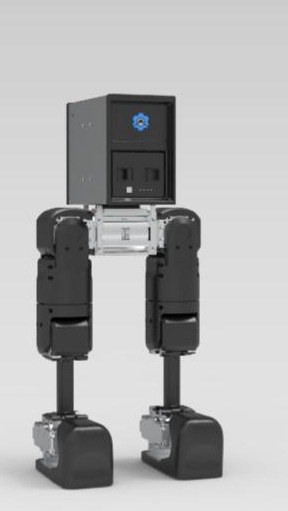
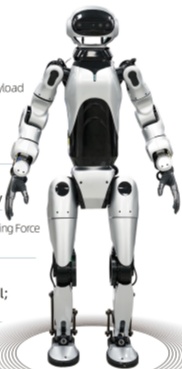
RESUMEN RÁPIDO
- YMBot Type E3 ofrece la mayor autonomía (120 min frente a 90 min).
- YMBot Type E3 ofrece más grados de libertad (27 frente a 12).
- Mini Pi ofrece la estructura más ligera (7 kg frente a 35 kg).
COMPARACIÓN DE ESPECIFICACIONES
| Mini Pi | YMBot Type E3 | |
|---|---|---|
| Empresa | High Torque Technology | Yunmu Intelligent Manufacturing |
| Categoría | Educational-Robots | Educational-Robots |
| Precio: | No anunciado | No anunciado |
| Peso | 7 kg | 35 kg |
| Carga útil | — | 2 kg |
| Grados de libertad | 12 | 27 |
| Velocidad | — | 4.32 km/h |
| Autonomía de la batería | 90 min | 120 min |
| Conectividad | Bluetooth and Wi-Fi (Pi); WNIC (Pi Pro); USB 3.0 x1, USB 2.0 x3 and HDMI 2.0 x1 (Pi), Type-C x2, USB 2.0 x2 and HDMI 2.0 x1 (Pi Pro) | CAN Bus, EtherCAT Bus |
| Software / IA | SDK interface with SDK-based development, OTA and firmware upgrade; voice interaction | ROS2 compatible with URDF model; optional voice interaction |
Guías de compra y precios
PREGUNTAS FRECUENTES
¿Cuál es la diferencia entre Mini Pi y YMBot Type E3?
Mini Pi está fabricado por High Torque Technology, mientras que YMBot Type E3 está fabricado por Yunmu Intelligent Manufacturing. Ambos pertenecen a la categoría «educational-robots», por lo que las diferencias se reducen al precio y las especificaciones.
¿Cuál tiene mayor duración de batería, Mini Pi o YMBot Type E3?
YMBot Type E3 tiene la mayor autonomía, con unos 120 minutos, frente a unos 90 minutos de Mini Pi.