
KELO LC 350 vs RM500
KELO Robotics vs Peer Robotics — specs, price, and data-backed comparison.
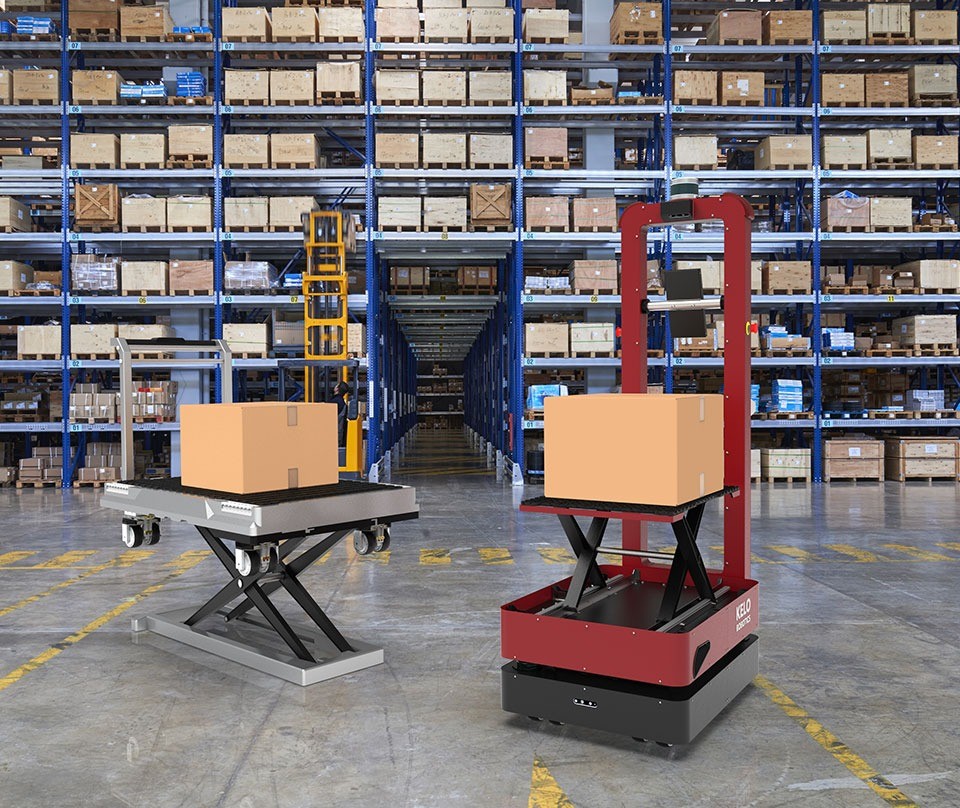
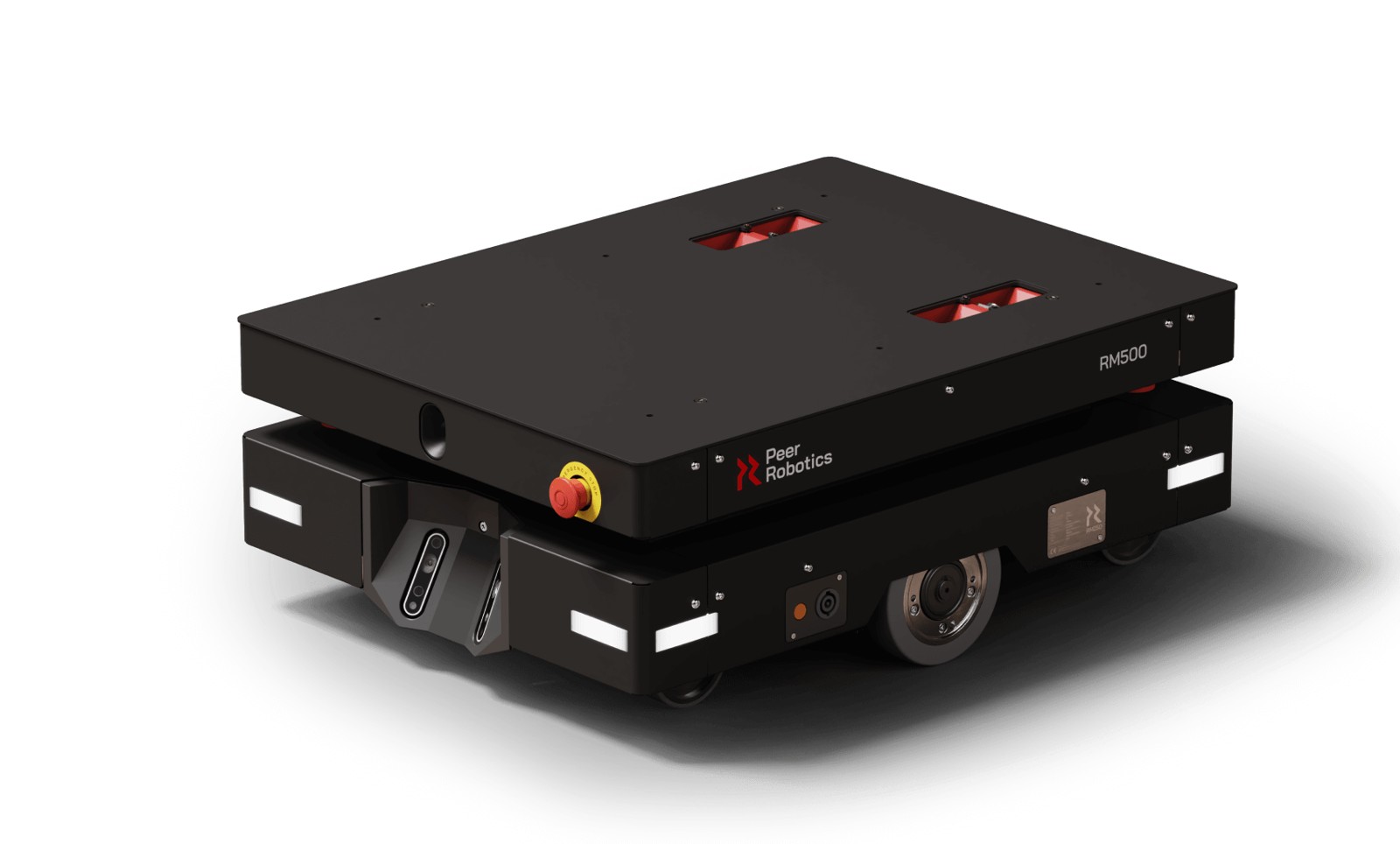
RESUMEN RÁPIDO
- RM500 ofrece la mayor carga útil (500 kg frente a 350 kg).
- RM500 ofrece la estructura más ligera (86 kg frente a 90 kg).
COMPARACIÓN DE ESPECIFICACIONES
| KELO LC 350 | RM500 | |
|---|---|---|
| Empresa | KELO Robotics | Peer Robotics |
| Categoría | Collaborative-Robot | Collaborative-Robot |
| Precio: | No anunciado | No anunciado |
| Peso | 90 kg | 86 kg |
| Carga útil | 350 kg | 500 kg |
| Velocidad | — | 5.4 km/h |
| Autonomía de la batería | — | 480 min |
| Conectividad | — | Wi-Fi 802.11ax dual band; Gigabit Ethernet; USB 3.0; digital I/O |
| Software / IA | — | Peer Robotics dashboard; teach-by-demonstration navigation; API |
Guías de compra y precios
PREGUNTAS FRECUENTES
¿Cuál es la diferencia entre KELO LC 350 y RM500?
KELO LC 350 está fabricado por KELO Robotics, mientras que RM500 está fabricado por Peer Robotics. Ambos pertenecen a la categoría «collaborative-robot», por lo que las diferencias se reducen al precio y las especificaciones.
¿Cuál tiene mayor carga útil, KELO LC 350 o RM500?
RM500 tiene la mayor carga útil, con 500 kg, frente a 350 kg de KELO LC 350.