
iPal 2.0 vs Xingxingxia P2
AvatarMind vs Digital Huaxia — specs, price, and data-backed comparison.
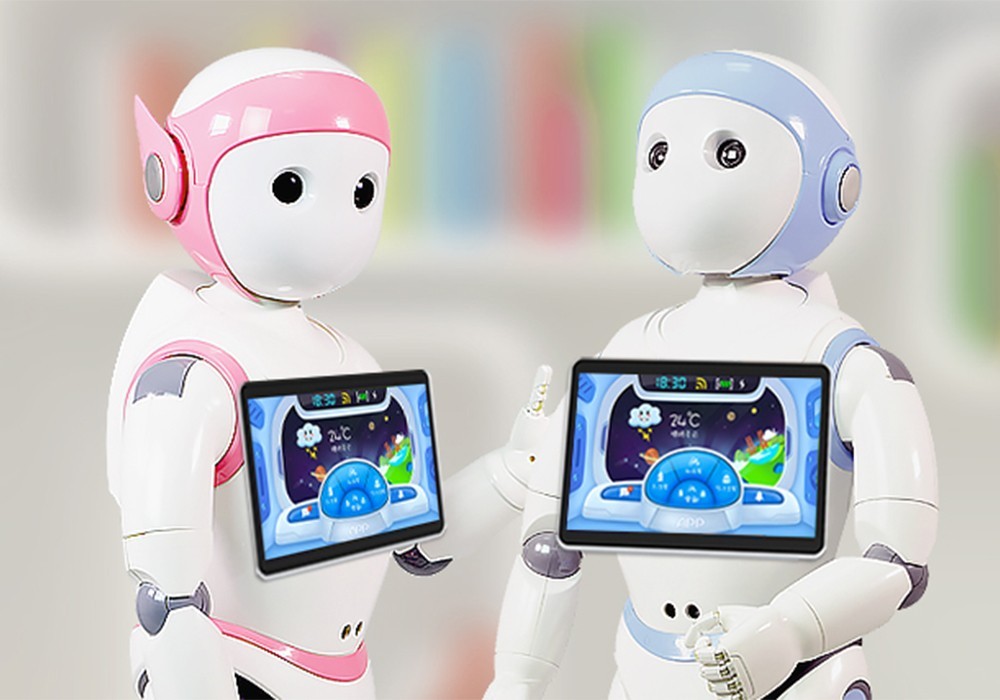
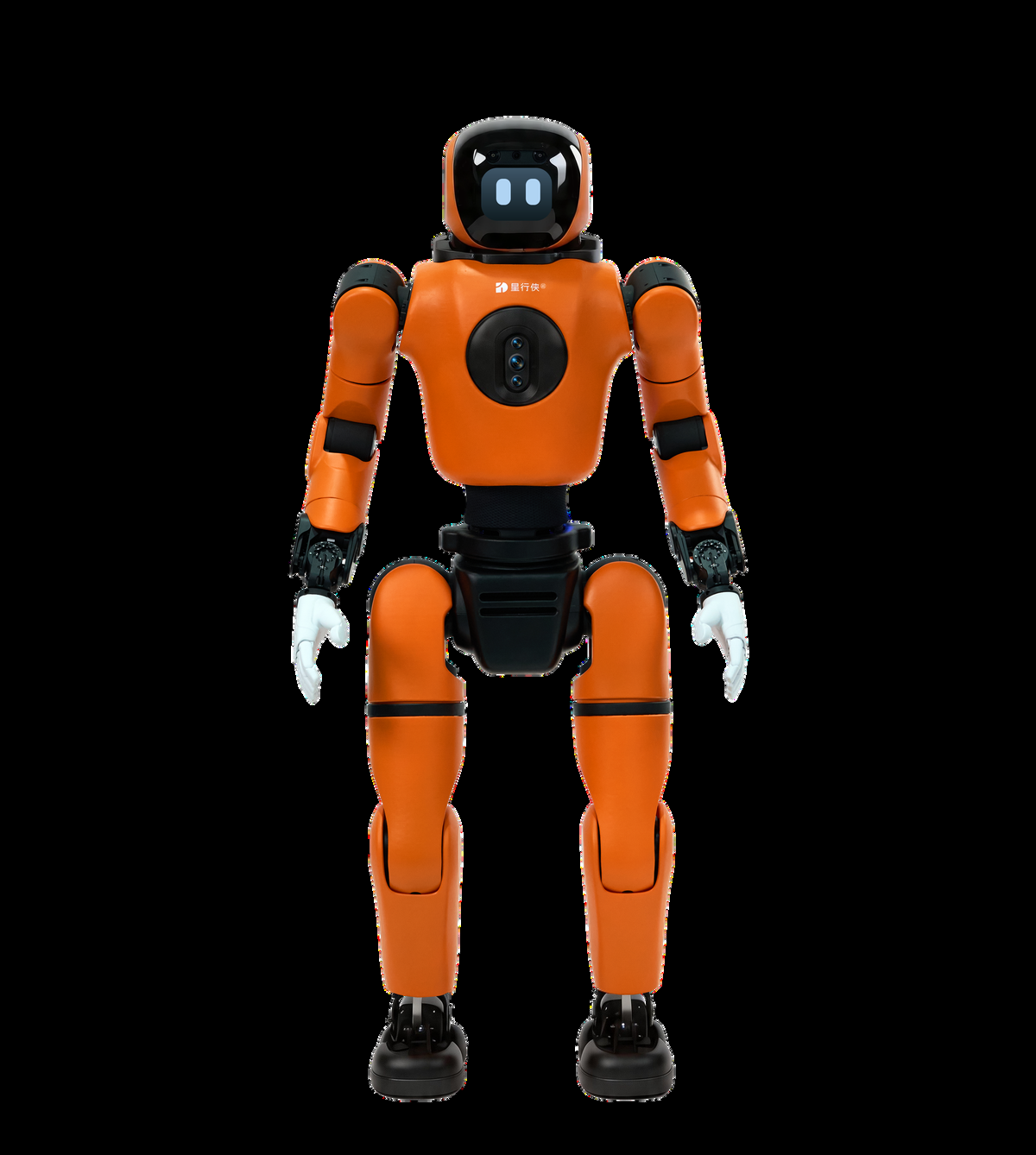
RESUMEN RÁPIDO
- Xingxingxia P2 ofrece la mayor autonomía (600 min frente a 480 min).
- Xingxingxia P2 ofrece más grados de libertad (34 frente a 14).
- iPal 2.0 ofrece la estructura más ligera (12.5 kg frente a 39 kg).
COMPARACIÓN DE ESPECIFICACIONES
| iPal 2.0 | Xingxingxia P2 | |
|---|---|---|
| Empresa | AvatarMind | Digital Huaxia |
| Categoría | Consumer-Robot | Humanoid |
| Precio: | No anunciado | No anunciado |
| Peso | 12.5 kg | 39 kg |
| Carga útil | — | 0.5 kg |
| Grados de libertad | 14 | 34 |
| Velocidad | — | 6.48 km/h |
| Autonomía de la batería | 480 min | 600 min |
| Conectividad | Wi-Fi 2.4/5.8 GHz, Bluetooth 4.2, USB OTG | — |
| Software / IA | — | Compatible with Digit Robotics' RoboEase scenario brain platform; face recognition, 20+ language speech interaction, long-term visitor memory and multi-robot collaboration |
Guías de compra y precios
PREGUNTAS FRECUENTES
¿Cuál es la diferencia entre iPal 2.0 y Xingxingxia P2?
iPal 2.0 está fabricado por AvatarMind, mientras que Xingxingxia P2 está fabricado por Digital Huaxia. iPal 2.0 pertenece a la categoría «consumer-robot», mientras que Xingxingxia P2 pertenece a la categoría «humanoid».
¿Cuál tiene mayor duración de batería, iPal 2.0 o Xingxingxia P2?
Xingxingxia P2 tiene la mayor autonomía, con unos 600 minutos, frente a unos 480 minutos de iPal 2.0.