
Galileo S1 vs MOVENEW P2
Galileo Technology vs MICBOT — specs, price, and data-backed comparison.
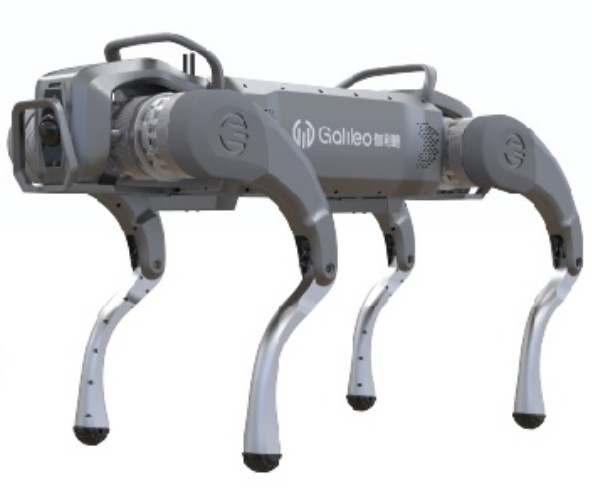
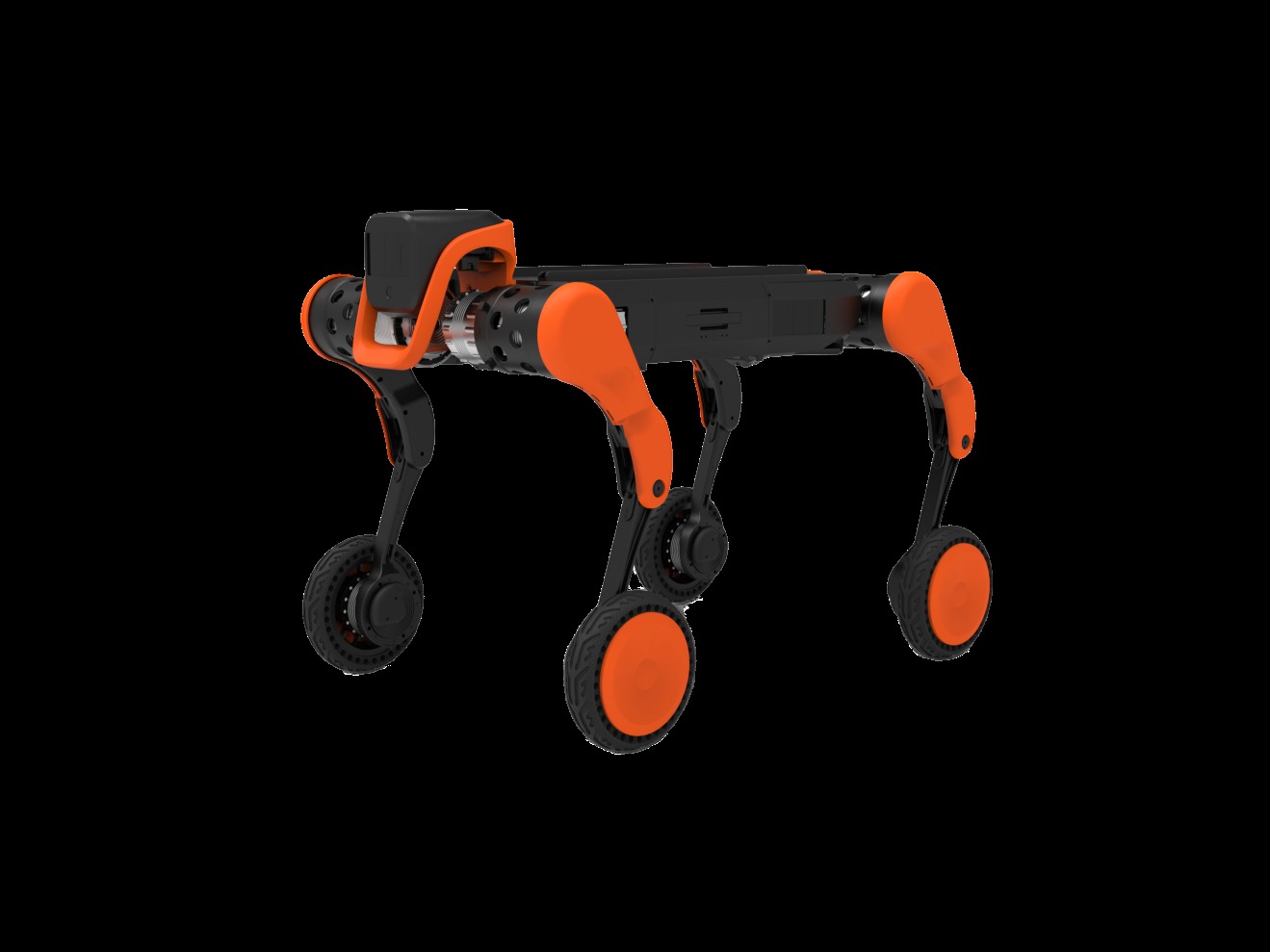
RESUMEN RÁPIDO
- MOVENEW P2 ofrece la mayor carga útil (200 kg frente a 100 kg).
- Galileo S1 ofrece la mayor velocidad máxima (12.6 km/h frente a 10.8 km/h).
- MOVENEW P2 ofrece la mayor autonomía (720 min frente a 210 min).
- Galileo S1 ofrece la batería de mayor capacidad (3.54 kWh frente a 3.2 kWh).
- MOVENEW P2 ofrece la estructura más ligera (77 kg frente a 118 kg).
COMPARACIÓN DE ESPECIFICACIONES
| Galileo S1 | MOVENEW P2 | |
|---|---|---|
| Empresa | Galileo Technology | MICBOT |
| Categoría | Industrial-Robot | Industrial-Robot |
| Precio: | No anunciado | No anunciado |
| Peso | 118 kg | 77 kg |
| Carga útil | 100 kg | 200 kg |
| Velocidad | 12.6 km/h | 10.8 km/h |
| Autonomía de la batería | 210 min | 720 min |
| Conectividad | WiFi 6, optional 4G and 5G; Ethernet, USB and RS485 external interfaces | — |
| Software / IA | Autonomous navigation and obstacle avoidance with multi-sensor fusion | Bionic skeleton gait and balance algorithm; on-board AI edge unit with real-time warning and offline caching; MICRO intelligent connectivity cloud platform for fleet scheduling, inspection planning and alarm management |
Guías de compra y precios
PREGUNTAS FRECUENTES
¿Cuál es la diferencia entre Galileo S1 y MOVENEW P2?
Galileo S1 está fabricado por Galileo Technology, mientras que MOVENEW P2 está fabricado por MICBOT. Ambos pertenecen a la categoría «industrial-robot», por lo que las diferencias se reducen al precio y las especificaciones.
¿Cuál tiene mayor carga útil, Galileo S1 o MOVENEW P2?
MOVENEW P2 tiene la mayor carga útil, con 200 kg, frente a 100 kg de Galileo S1.
¿Cuál es más rápido, Galileo S1 o MOVENEW P2?
Galileo S1 alcanza la mayor velocidad máxima, con 12.6 km/h, frente a 10.8 km/h de MOVENEW P2.
¿Cuál tiene mayor duración de batería, Galileo S1 o MOVENEW P2?
MOVENEW P2 tiene la mayor autonomía, con unos 720 minutos, frente a unos 210 minutos de Galileo S1.